
REVIEW · TOKYO
Tokyo: Morning Sightseeing Bus Tour
Tokyo is a huge city, and this 210-minute coach tour gives you a fast, useful first look. You move from the quiet forest of Meiji Shrine to the Imperial Palace, Akihabara, and old Asakusa without spending your morning figuring out train connections.
I like the English-speaking guides, especially guides such as Aoi, Angela, Taka, and Tsubasa, who have been praised for clear explanations and friendly humor. I also like the matcha stop in Asakusa, where you can try first-flush Uji tea or matcha gelato in a historic part of town. The trade-off is simple: traffic can cut into sightseeing time, and several stops are brief.
Key points to know before booking
- Twelve Tokyo sights and activities in one morning: You pass Kabukicho, Harajuku, Omotesando, the National Diet Building, Akihabara, Ueno, Kappa-Bashi, and more.
- Meiji Shrine gives you a calm start: The forested shrine feels far removed from central Tokyo streets.
- The Imperial Palace stop varies: You may visit the East Garden or see Niju-bashi Bridge in the Outer Garden.
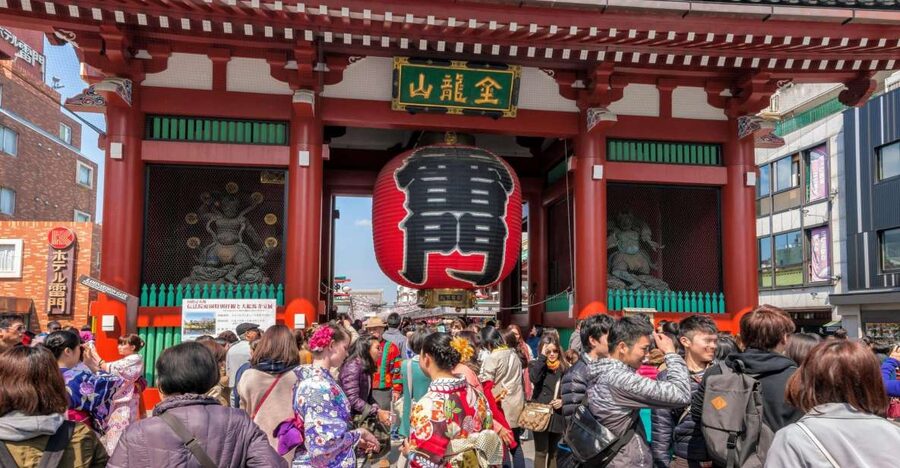
- Asakusa is the main walking stop: You have time for Nakamise Avenue, Kaminari-mon Gate, Senso-ji, and the matcha experience.
- The tour ends in Asakusa: There is no return transfer, which is useful if you want to continue sightseeing there.
- The $90 price buys convenience, not deep exploration: It is strongest for a first morning in Tokyo or a short stay.
Why this morning tour works well in Tokyo
Tokyo rewards independent exploration, but the city can also eat up half a day while you change trains and orient yourself. This tour takes care of the long jumps between neighborhoods. You sit in an air-conditioned coach, listen to guide commentary, and arrive at a run of major sights with very little planning.
The coach has Wi-Fi, regular ventilation, and antibacterial coating. Those details will not replace the excitement of walking Tokyo’s streets, but they matter on a hot, rainy, or tiring morning. You also avoid carrying your bags through several train stations.
The price is $90 per person. That is not a bargain-basement city tour, but it can be fair if you value transport, a live guide, the matcha drink or gelato, and the chance to cover several distant areas in one morning. You are paying for a broad introduction rather than long visits at each site.
If you already know Tokyo well, the pace may feel too quick. If you have only a day or two, this tour can give you a useful map of the city before you choose where to return on your own.
More Sightseeing Bus Tours in Japan
- Tokyo: Open Top Panoramic Sightseeing Bus with Audio Guide
★ 3.8 · 254 reviews - Tokyo: 60min Panoramic Open Top Bus Tour with Audio Guide
★ 4.0 · 40 reviews - Tokyo: Open Top Sightseeing Bus with Audio Guide
★ 4.5 · 5 reviews
Starting at the Love sculpture
The meeting point depends on the option you book. The supplied information identifies Robert Indiana’s Love sculpture at 4-chome-1-2 Ginza, while the tour description also refers to a Love statue in Shinjuku. Check your booking details carefully before setting out, since arriving at the wrong district would be an unpleasant way to begin an early tour.
The stated start time is 8 a.m. At that hour, the coach begins its city overview with a pass by Kabukicho, known for Japanese pub hopping. You do not stop there, but the drive gives you a quick introduction to one of Tokyo’s best-known nightlife areas.
This opening stretch is most useful for first-time visitors. Your guide can point out the changing character of Tokyo as the coach moves from commercial streets to shrines, government buildings, shopping districts, and older neighborhoods.
Meiji Shrine, Tokyo’s forested pause
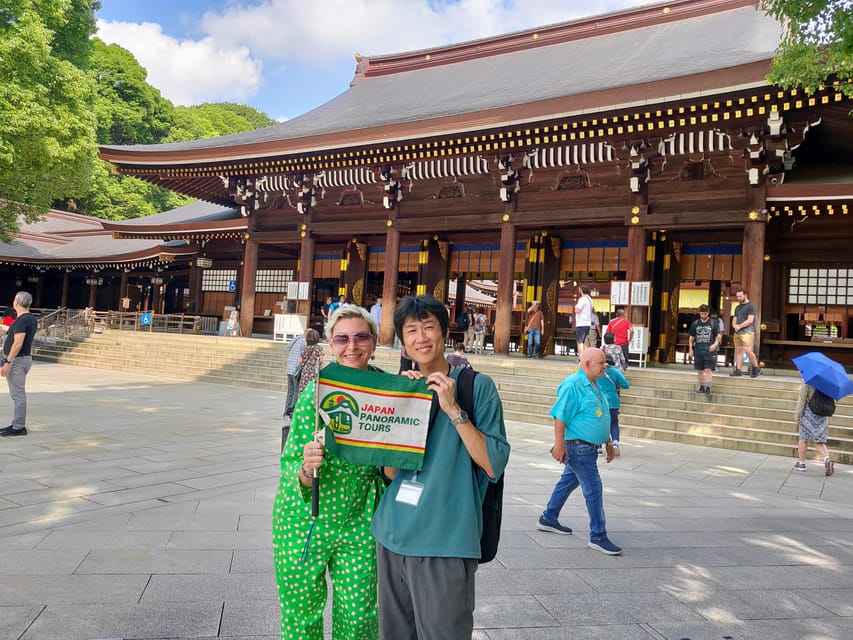
Meiji Jingu is usually the first substantial visit. Built in 1921 for Emperor Meiji, the Shinto shrine sits inside a broad forested area. The contrast is the attraction. You are in central Tokyo, yet the trees soften the city noise and give the visit a quiet, ceremonial feel.
Your guide explains the traditional way to visit a Shinto shrine. That makes the stop more meaningful than simply taking a photograph at the entrance. You can learn how to approach the shrine respectfully and observe the customs connected with worship.
Allow for walking here. Comfortable shoes are specifically recommended, and that advice applies to the whole morning. The shrine grounds are not a coach-side photo stop, so you will spend time on foot before returning to the bus.
The drawback is timing. A short group visit cannot cover every path or corner of the grounds. If Meiji Shrine is high on your personal list, note the important points during the tour and return later for a slower visit.
Harajuku, Omotesando, and the National Diet Building
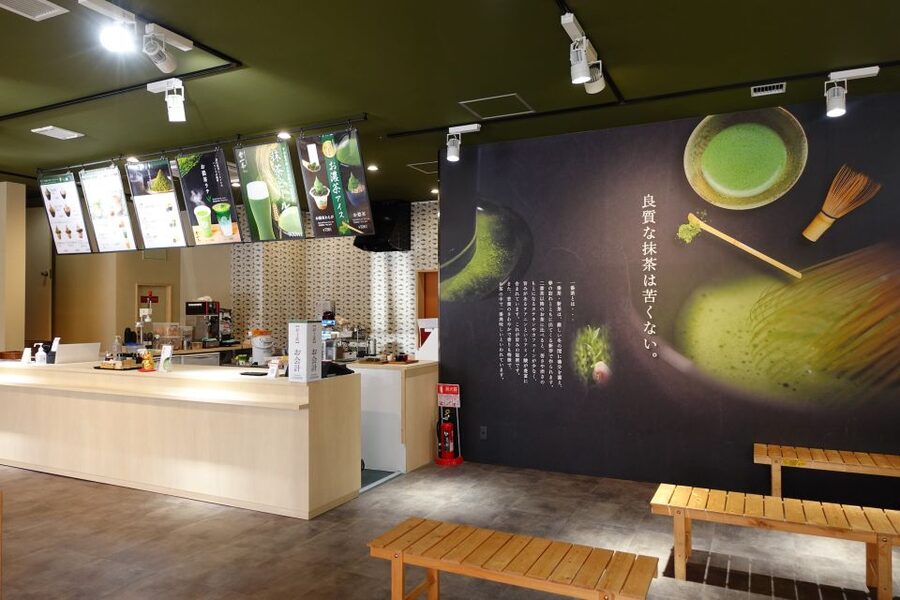
After Meiji Shrine, the coach passes Takeshita Avenue, the famous Harajuku street associated with Japanese pop culture. The tour does not present this as a long shopping visit. Instead, you see its place in the city while riding through the area.
The coach also passes Omotesando, a major shopping district. These two streets help you understand the contrast between Harajuku’s youth culture and Omotesando’s polished retail setting. You will have to return independently if you want to shop.
The National Diet Building follows as a notable sight from the road. Japan’s parliament building was completed in 1936 and is known for its symmetrical design. This is a good example of the tour’s style: you receive a quick visual introduction to important places, but you are not getting an inside visit.
That approach keeps the morning moving. It also means you should not expect detailed time at every landmark. Traffic affects the schedule, and the route or order can change because of weather, road conditions, or operational needs.
More Sightseeing Bus Tours in Tokyo:
- Rome: City Sightseeing Hop-on Hop-off Bus with Audioguide
★ 4.0 · 16,045 reviews - Barcelona: City Sightseeing Hop-On Hop-Off Bus Tour
★ 4.4 · 10,061 reviews - Rome: Big Bus Hop-on, Hop-off Open-Top Sightseeing Tour
★ 4.1 · 9,537 reviews - City Sightseeing London Hop-On Hop-Off Bus & Bookable Extras
★ 4.4 · 7,374 reviews
The Imperial Palace and its two possible stops
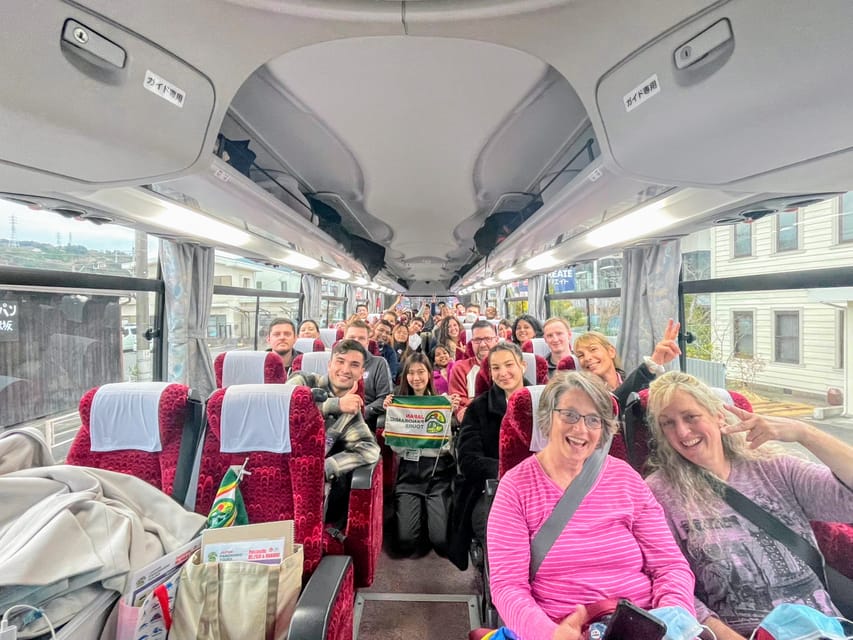
The Imperial Palace is one of the morning’s main landmarks. It occupies the site of Edo Castle and remains the residence of Japan’s Imperial family. The tour stops for either the East Garden or Niju-bashi Bridge in the Outer Garden.
The East Garden offers traditional Japanese gardens and a closer look at the former castle grounds. Niju-bashi Bridge gives you a more recognizable historical structure and a classic palace-area photo opportunity. Which one you see depends on the operating plan, so do not book expecting both.
This is a useful stop for putting Tokyo’s past into context. The city is famous for its modern districts, but the palace area points back to the political center of old Edo. The visit is still relatively short, so treat it as an introduction rather than a full palace tour.
One practical point: traffic has affected the time available at sightseeing stops in the past. The coach makes the route easy, but heavy roads can turn a planned photo stop into a brisk visit. Keep your expectations realistic and stay close to your guide when it is time to return.
Akihabara, Ueno, and Kappa-Bashi from the coach
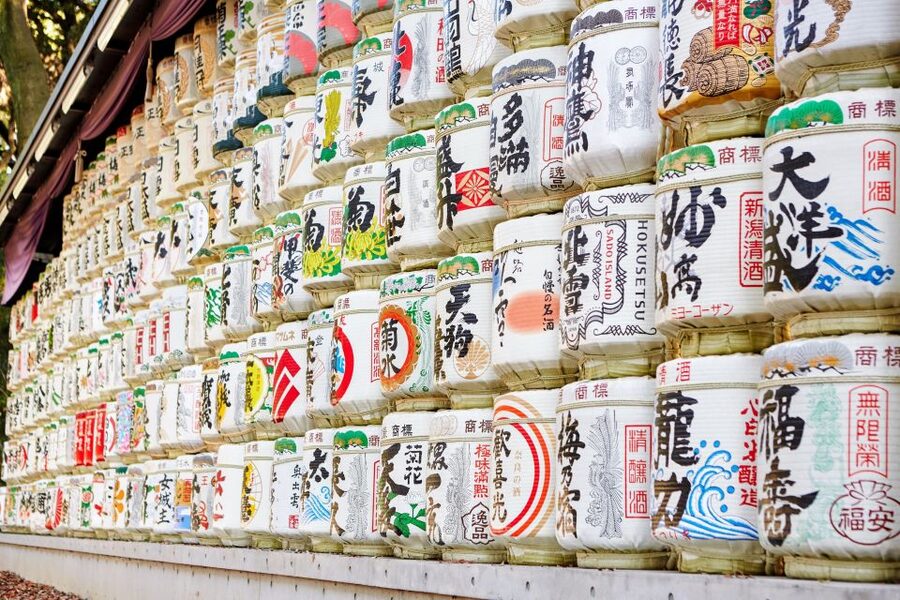
The route then moves through Akihabara, the center of Tokyo’s otaku anime culture. You may see the district from the coach rather than explore its shops. That is enough to recognize the area later if you return independently for electronics, anime goods, or themed shopping.
Next comes Ueno, known as Japan’s oldest park. Again, the value is orientation. You learn where this major northern Tokyo district fits into the city, even though the tour does not provide a long Ueno visit.
Kappa-Bashi is another interesting pass-by. This market street is known for kitchen goods, Japanese dishes, knives, and remarkably realistic food replicas. It is an unusual detail that many standard city tours skip. If Japanese cooking tools or restaurant displays catch your eye, make a note of the area for another day.
This section is where the coach format proves its worth. These districts are spread across central Tokyo, and reaching each by public transport would take planning. The compromise is that you see them briefly, mostly from the road.
Asakusa, Nakamise Avenue, and Senso-ji
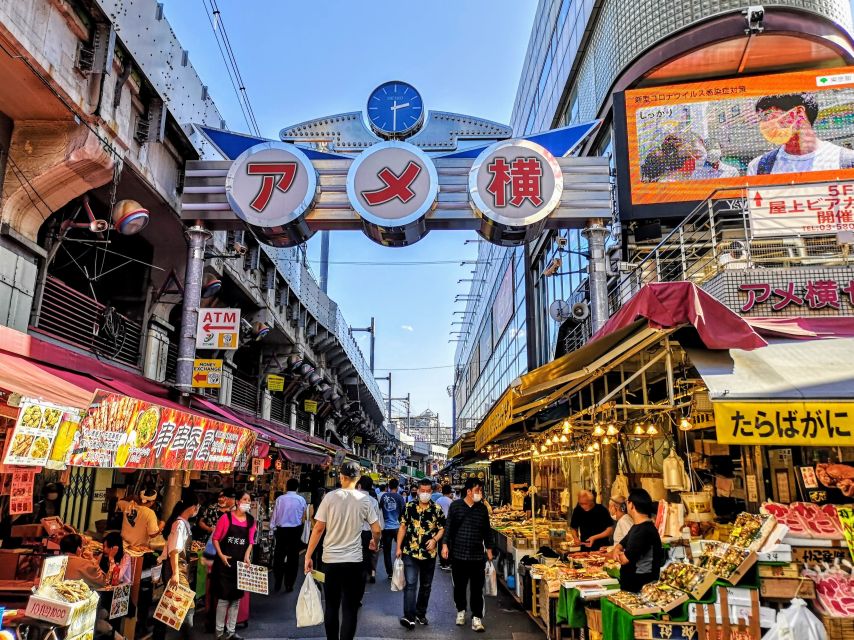
Asakusa is the tour’s final major stop and the place where the morning becomes more hands-on. You can walk along Nakamise Avenue, shop for souvenirs, and photograph Kaminari-mon Gate with its enormous red lantern.
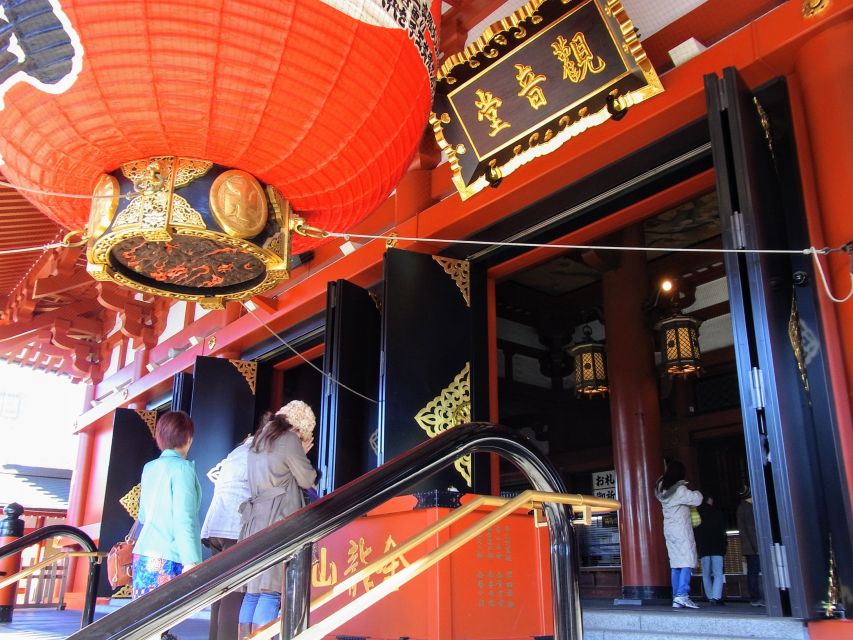
The area leads toward Senso-ji, one of Tokyo’s best-known Buddhist temples. The tour ends here, so you are not rushed onto the coach for a return journey. That is a real advantage. You can continue exploring Asakusa, find lunch, visit more of the temple area, or make your own way to another part of Tokyo.
The supplied schedule identifies Senso-ji as the finish point, while the wider description says you finish in Asakusa. Think of the practical arrangement this way: the organized portion ends in the Asakusa area, and you are responsible for whatever comes next.
Nakamise Avenue can be crowded, especially around popular visiting hours. Keep an eye on your belongings and stay aware of the meeting instructions before the group spreads out. The area is one of the best places on this tour to slow down and browse.
The Uji matcha experience
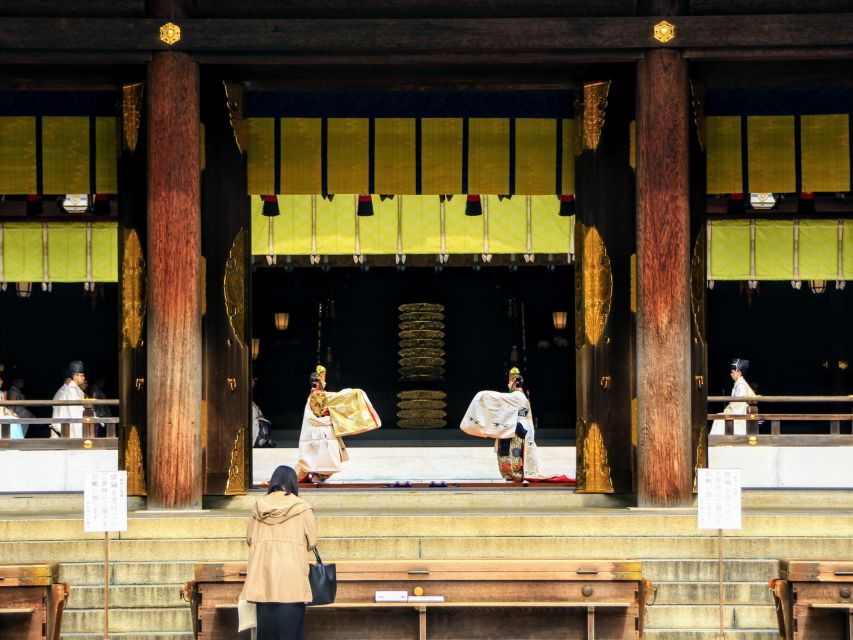
The matcha stop adds something more personal than a quick landmark photo. You can try authentic Uji matcha from Kyoto, made with ichibancha, or first-flush tea. The experience is described as a less bitter premium matcha, which may appeal to people who find ordinary matcha too sharp.
You may also choose matcha gelato or matcha beer, depending on the available option. The gelato has been a particular hit with past customers, and it makes an easy choice if you prefer a sweet break to a strong tea.
The matcha shop is closed on May 14. On that date, the operator provides matcha souvenirs instead, so you should not expect the regular tasting experience then.
This stop works best as a small cultural encounter, not a full tea ceremony. You get a taste of a Japanese specialty in the historic Asakusa setting, then have time to continue exploring.
Guides, commentary, and language support
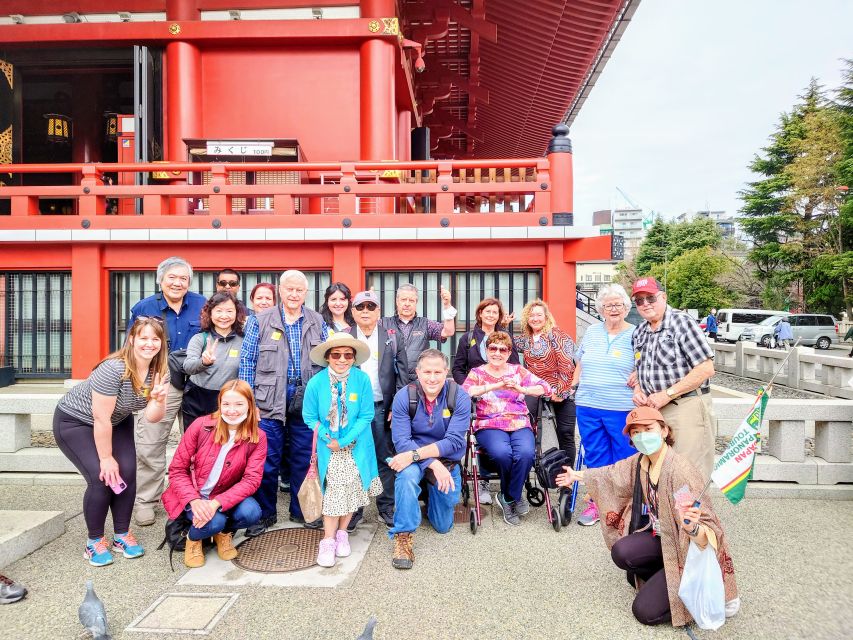
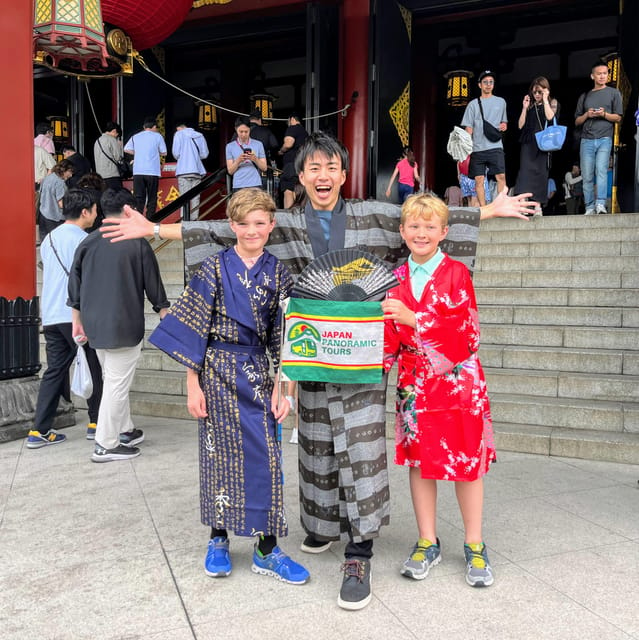
The live tour is conducted in English. Named guides such as Aoi, Angela, Taka, and Tsubasa have been singled out for clear explanations, humor, patience, and a welcoming manner. That matters on a sightseeing coach because the guide’s voice and timing shape much of the experience.
Aoi has been praised for excellent English and clear explanations at each part of the route. Angela was described as especially helpful and engaging, while Taka was noted for combining information with entertainment. These details suggest that the guide can make the long drives more useful, though the quality of commentary may depend on who leads your departure.
Audio guides are available in English, French, Italian, Spanish, German, Portuguese, and Ukrainian. The live guide remains English-speaking, so the audio system is most helpful for travelers who want additional language support.
One point to keep in mind is that commentary during the driving sections may vary. Some visitors have found the guides full of interesting information, while one older assessment wanted more explanation while the coach was moving. If you enjoy constant narration, the audio guide may help fill quiet stretches.
Timing, comfort, and the real trade-off
Three and a half hours is an efficient length. You get a full morning of sightseeing and still have the afternoon for Asakusa, lunch, shopping, or another activity. The coach is air-conditioned, and the included Wi-Fi is useful for checking maps and plans once you finish.
The route is not a slow walking tour. You will alternate between short walks, photo stops, and views from the coach. Heavy traffic can shorten the time at some locations, and the order may change because of road or weather conditions.
You also need to handle loading and unloading your own luggage from the coach trunk, including wheelchairs and strollers. Hotel pickup and drop-off are not included. The only stated pickup service is from the Ginza option, so confirm your selected meeting point.
Free cancellation is available up to 24 hours before departure, and you can reserve now and pay later. Those policies give you some useful flexibility when Tokyo weather or your wider schedule is uncertain.
Who should book this Tokyo tour?
I would choose this tour if you are visiting Tokyo for the first time, staying only briefly, or want a guided overview before exploring alone. It also suits you if train connections feel daunting or if you want an English-speaking guide to explain shrine customs and local districts.
Families and older visitors may appreciate the air-conditioned coach and the reduced need to navigate Tokyo’s stations. You still need comfortable shoes, since Meiji Shrine and Asakusa involve walking.
I would hesitate if you prefer spending an hour or more at each attraction. You may also prefer an independent day if Akihabara shopping, Harajuku fashion, or the Imperial Palace gardens are your top priorities. The tour introduces those areas, but it does not give you long free periods in each one.
Should you book it?
Book this tour if your goal is to cover many famous Tokyo sights quickly and finish in Asakusa with the rest of the day still ahead. The guide, coach transport, multilingual audio support, and matcha stop make the $90 price reasonable for a first orientation.
Skip it if you want a relaxed pace or detailed visits inside each district. The best way to use this experience is as a well-organized morning survey, then return on your own to the one or two places that catch your interest most.
FAQ
How long does the Tokyo sightseeing tour last?
The tour lasts 210 minutes, or three and a half hours. The stated start time is 8 a.m., though you should check availability for the exact departure time attached to your booking.
Where does the tour start?
The meeting point depends on the option booked. The provided information identifies the Robert Indiana Love sculpture at 4-chome-1-2 Ginza, while the tour description also refers to a Love statue in Shinjuku. Check your booking details carefully for the correct location.
Where does the tour end?
The tour ends in Asakusa, with Senso-ji identified as the finish point. No extra drop-off service is provided, so you can continue exploring Asakusa or arrange your own transport afterward.
What languages are available?
The live guide speaks English. Audio guide support is available in English, French, Italian, Spanish, German, Portuguese, and Ukrainian.
Is matcha included?
Yes. The tour includes a matcha drink or matcha gelato. The matcha store is closed on May 14, when matcha souvenirs are provided instead.
What should I bring?
Bring comfortable shoes. You may also want to keep your booking details and meeting instructions handy, since the itinerary order and meeting arrangements can vary.
More Morning Departures in Tokyo
- Tokyo: A Half-Day Trip Bus Tour in the Morning
★ 4.6 · 236 reviews - Yulara: Uluru Sunrise and Kata Tjuta Day Trip by Bus
★ 4.5 · 469 reviews - Magnetic Island: Guided Bus Tour with Morning Tea
★ 4.8 · 129 reviews - Seat-In-Coach: Small Circuit tour with Sunrise at Angkor Wat
★ 4.5 · 41 reviews
Just added around Tokyo
- Tokyo: A Half-Day Trip Bus Tour in the Morning★ 4.6 · 236 reviews
- 3-Row Luxury Bus Tour to Mt. Fuji, Lake Kawaguchi from Tokyo★ 4.3 · 3 reviews
- Tokyo: 1 Day Bus Tour with Meiji-Jingu,Odaiba,lunch&Skytree★ 4.6 · 156 reviews
- Full Tokyo: Meiji Shrine, Imperial Palace, Asakusa & Skytree★ 4.4 · 7 reviews
- Tokyo: Mount Fuji Views and KABA Amphibious Bus Day Tour★ 5.0 · 4 reviews
- Tokyo Thrilling Open Top Bus Expressway Adventure Tour★ 4.3 · 5 reviews
- Tokyo: Open Top Panoramic Sightseeing Bus with Audio Guide★ 3.8 · 254 reviews
- Tokyo: Open Top Sightseeing Bus with Audio Guide★ 4.5 · 5 reviews
Tokyo Bus Tours, compared.
Mt Fuji and Hakone 1-Day Bus Tour Return by Bullet Train
Read our review →
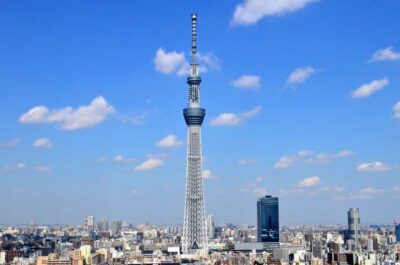
Meiji Shrine, Asakusa, Skytree Bus Tour and Cruise
Read our review →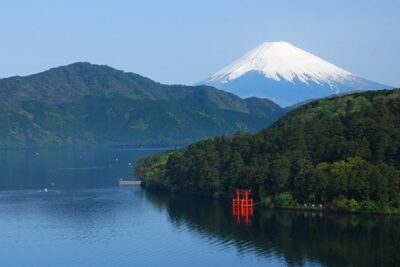
Mt Fuji & Hakone Cruise, Drum Show Bus 1 Day from Tokyo
Read our review →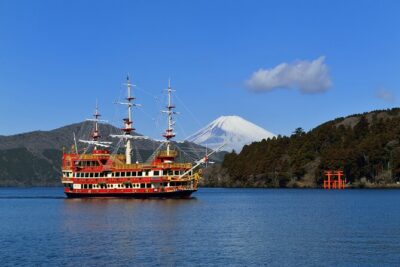
Mt Fuji and Hakone 1-Day Bus Tour Return by Bus
Read our review →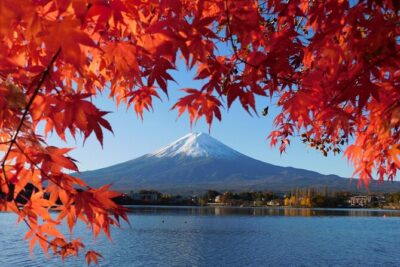
Mt.Fuji & Lake Kawaguchiko 1-Day Bus Tour w/Optional Lunch
Read our review →
Open Top Panoramic Sightseeing Bus with Audio Guide
Read our review →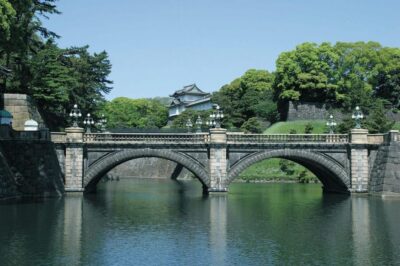
Browse the lists this tour appears in