REVIEW · TOKYO
Tokyo: 60min Panoramic Open Top Bus Tour with Audio Guide
Tokyo looks different from the upper deck of an open-top bus. In one hour, you pass government buildings, Tokyo Tower, the waterfront, Rainbow Bridge, and Ginza without stopping to change trains or find your way through busy stations. The route gives you a quick visual introduction to several parts of the city.
I like the uninterrupted views and the low price of $14. I also like the choice of eight GPS audio languages, which lets you follow along even though the live guide speaks Japanese. The main drawback is that this is a moving city tour, not a sightseeing bus with stops, so you cannot get off at Tokyo Tower, Odaiba, or the market.
Key points to know before you book
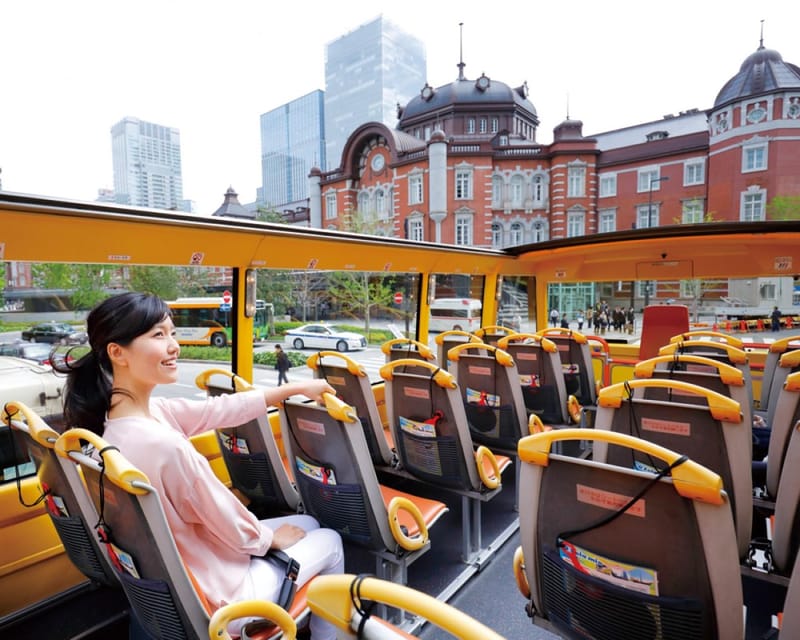
- The open-top upper deck gives you wide views of Tokyo’s streets, towers, bridges, and waterfront.
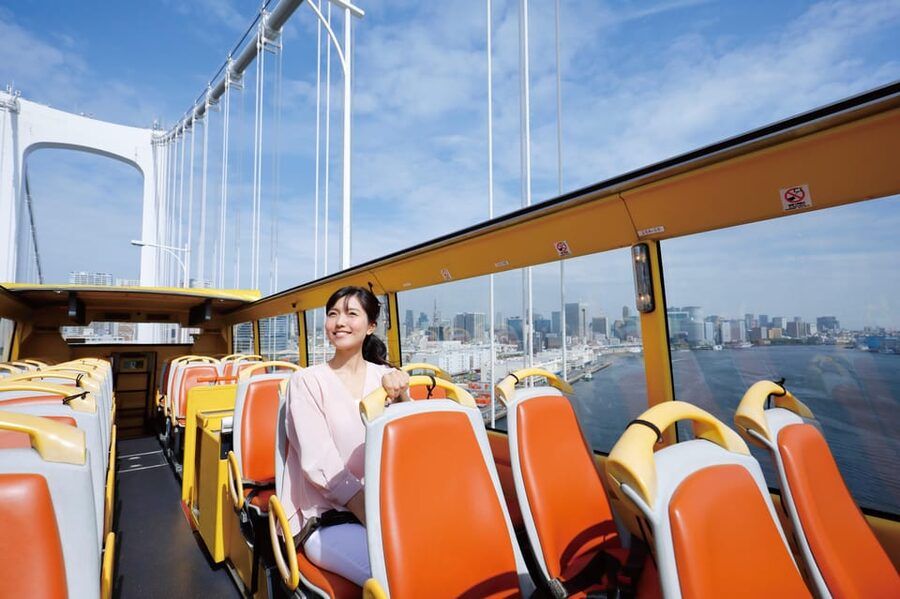
- Rainbow Bridge is the route’s big visual moment, with Tokyo Bay and the city opening up around you.
- The bus starts and ends near Tokyo Station’s Marunouchi South Exit, making it easy to fit into a day of sightseeing.
- GPS narration is available in eight languages, but you must bring a Japan-capable smartphone and your own earphones.
- The route lasts exactly one hour, with no hop-on hop-off stops or scheduled sightseeing walks.
- Rain can change the experience, since the roof may close and heavy weather can cancel the tour.
Why this one-hour ride works in Tokyo
Tokyo can take time to understand from street level. The city spreads across a huge area, and its famous sights are separated by railway lines, office districts, shopping streets, and waterfront roads. This bus ride gives you a quick sense of how those pieces fit together.
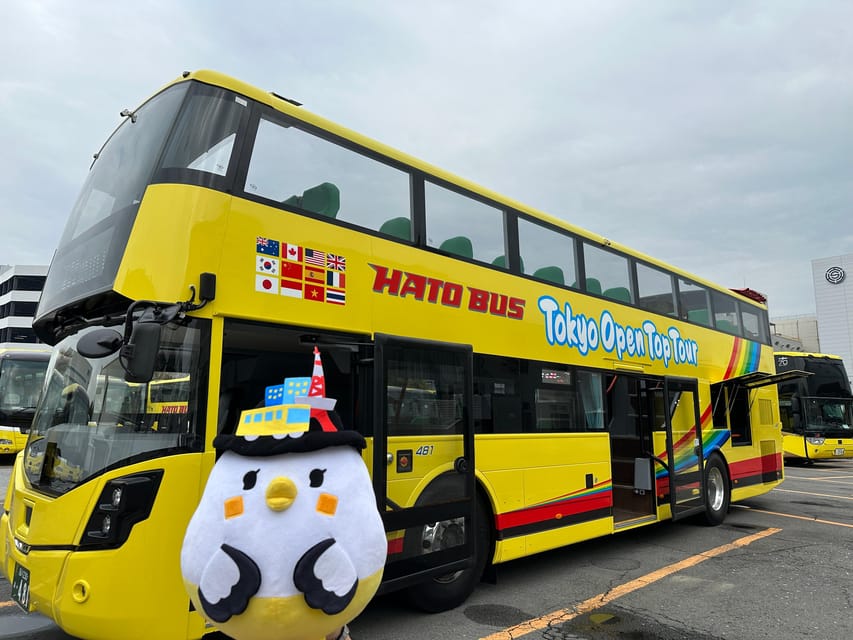
The route begins at the Hato Bus office near Tokyo Station. From there, you get a broad sweep through central Tokyo and toward the bay before returning to the same point. You are not spending the hour waiting for transfers or walking between far-flung sights.
That makes the tour useful on a first day, especially if you want a simple orientation ride before choosing which areas deserve more time. It also works for a short visit, when a full day of sightseeing is not possible.
The current rating is 4 out of 5 from 40 reviews. The strongest praise focuses on the route, the views of Tokyo Tower from different angles, and the clear guidance throughout the ride. One recent comment described the bus as comfortable, while another enjoyed seeing Tokyo Tower from perspectives that are hard to find on a normal city walk.
More Open-Top Bus Tours in Japan
- Tokyo: Open Top Panoramic Sightseeing Bus with Audio Guide
★ 3.8 · 254 reviews - Tokyo: Open Top Sightseeing Bus with Audio Guide
★ 4.5 · 5 reviews - Tokyo Thrilling Open Top Bus Expressway Adventure Tour
★ 4.3 · 5 reviews
Starting beside Tokyo Station
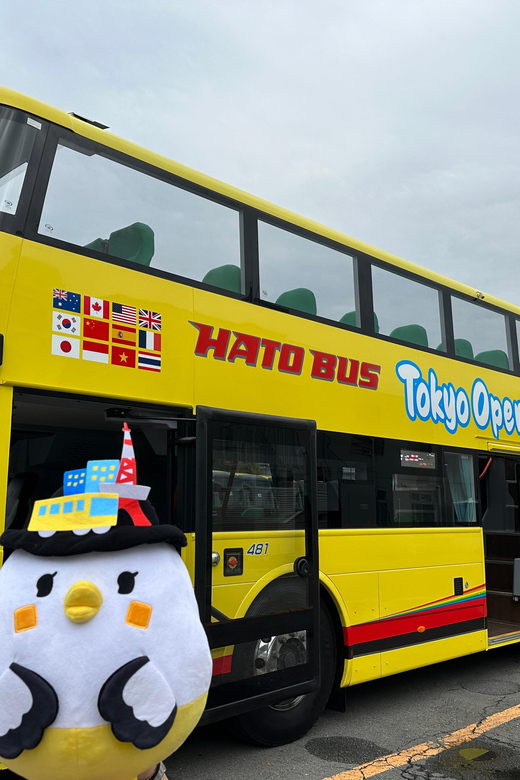
The meeting point is the Hato Bus Tokyo office near the JR Tokyo Station Marunouchi South Exit. After leaving the station, turn left and walk straight for about two minutes. Look for the yellow Hato Bus stop.
This location is practical, but Tokyo Station can be confusing if you use the wrong exit. Follow the signs for Marunouchi South Exit rather than the Yaesu side. The coordinates provided for the stop are 35.678964, 139.765781.
Arrive with enough time to identify the yellow bus and prepare your phone. The tour does not include hotel pickup, so you need to reach the meeting point on your own.
The bus begins and ends here, which helps with planning. You will not be dropped at a different neighborhood at the end of the hour, and you can continue to the station, the Imperial Palace area, or central Tokyo afterward.
Hibiya Park and the National Diet Building
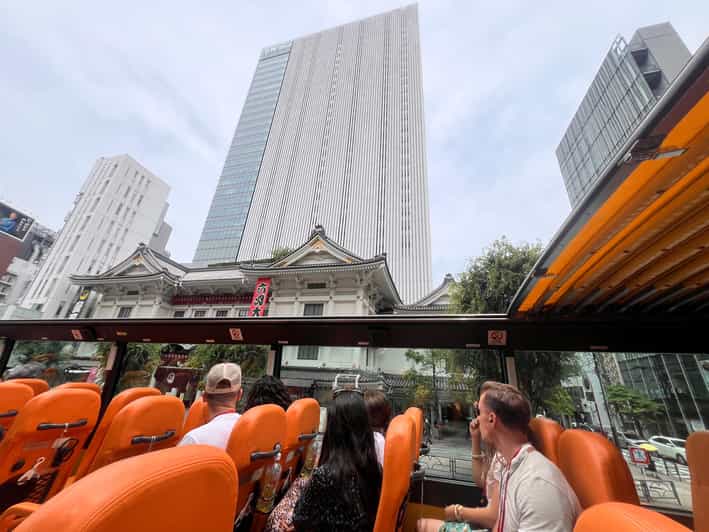
The first part of the ride passes Hibiya Park and the National Diet Building. You do not stop at either site, so consider this a moving introduction rather than a visit.
Hibiya Park offers a change from the dense streets around Tokyo Station. From the upper deck, you get a quick look at one of central Tokyo’s established green spaces before the route moves toward government and business districts.
The National Diet Building is Japan’s main legislative building. Passing it by bus gives you a useful sense of Tokyo’s political center, though you will not have time for a close look at its architecture or grounds. If this is a place you want to explore properly, plan a separate visit.
This early section sets the tone for the tour. You will see plenty, but the bus keeps moving. Keep your camera ready and avoid expecting the kind of detailed stop-by-stop sightseeing provided by a walking tour.
Toranomon and the view toward Tokyo Tower
The bus continues through Toranomon, an important central Tokyo district, before passing Tokyo Tower. Tokyo Tower is one of the most rewarding sights on this route because you can see it from changing positions instead of one fixed viewing platform.
The upper deck helps here. Buildings can block street-level views, while the higher seating position gives you a better chance to see the tower above the city. The route does not include entry to Tokyo Tower, and the bus does not stop for photographs, so this is a preview rather than a tower visit.
I would keep your phone or camera ready before reaching this section. A recent booking comment particularly liked seeing Tokyo Tower from several angles, which is one of the tour’s most specific strengths.
The ride also gives you a quick look at how Tokyo’s older landmark fits among modern office districts. You will not get a long explanation in every language from a person on board, but the GPS system helps identify the sights as you pass them.
More Sightseeing Bus Tours in Japan
- Tokyo: Morning Sightseeing Bus Tour
★ 4.4 · 109 reviews - Departing from Takayama [Regular sightseeing bus] World Heritage Sites Shirakawago and Gokayama Ainokura
★ 4.5 · 137 reviews - Okinawa: Bus Tour to Churaumi Aquarium with Sightseeing
★ 4.3 · 20 reviews
Crossing Rainbow Bridge toward Tokyo Bay

Rainbow Bridge is the route’s most distinctive feature. As the bus crosses, you get open views across Tokyo Bay and a strong sense of the city’s waterfront scale.
This is where the open-top design matters most. There are fewer visual barriers than you would have from a standard enclosed bus, and you can feel the breeze as the bus moves across the bridge. On a clear day, this should be one of the best sections for wide photographs.
The experience depends heavily on the weather. If it rains, the roof may be closed, which changes the open-air quality and can reduce the view. Heavy rain or bad weather can also cancel the tour. Check the forecast before booking, especially if the open deck is the main reason you want to go.
The bus does not stop on Rainbow Bridge. You get the view while moving, so plan for quick photos rather than a long pause. If you prefer a slow waterfront visit, pair this tour with separate time in Odaiba.
Odaiba and Toyosu from the upper deck
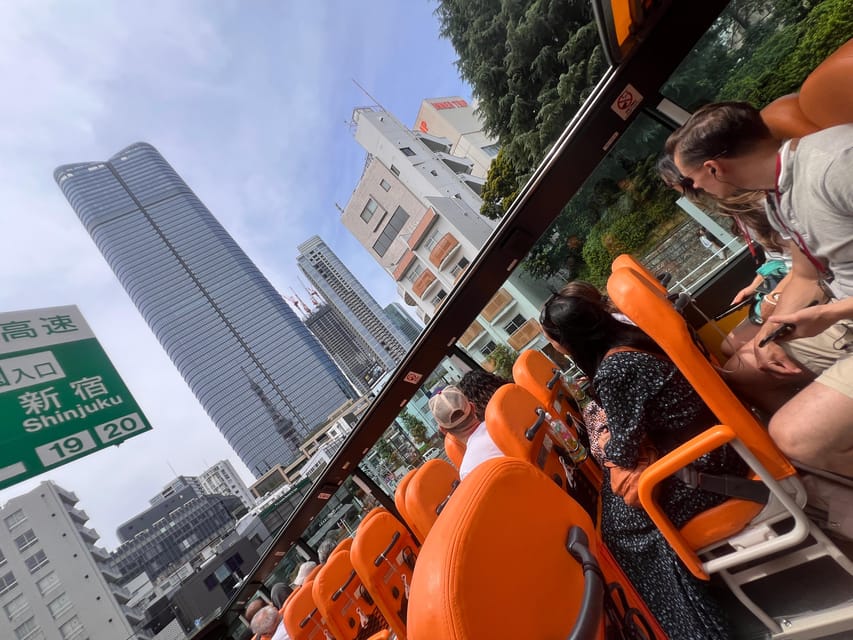
After crossing Rainbow Bridge, the route passes Odaiba and continues toward Toyosu. These waterfront districts feel different from the central streets near Tokyo Station and Ginza.
Odaiba is best understood from the road as a broad bay-side area with large developments and open space. Since the bus only passes through, you will not have time to explore its attractions or stay for photographs. Still, the changing view helps you see Tokyo beyond its traditional center.
Toyosu adds another modern waterfront section to the route. The tour shows how much of Tokyo extends along the bay, rather than concentrating entirely around the central railway stations.
This part is valuable for orientation. You might not remember every building, but you will come away with a clearer picture of Tokyo as a city connected by roads, bridges, commercial zones, and reclaimed waterfront districts.
Tsukiji Outer Market and Kabuki-za
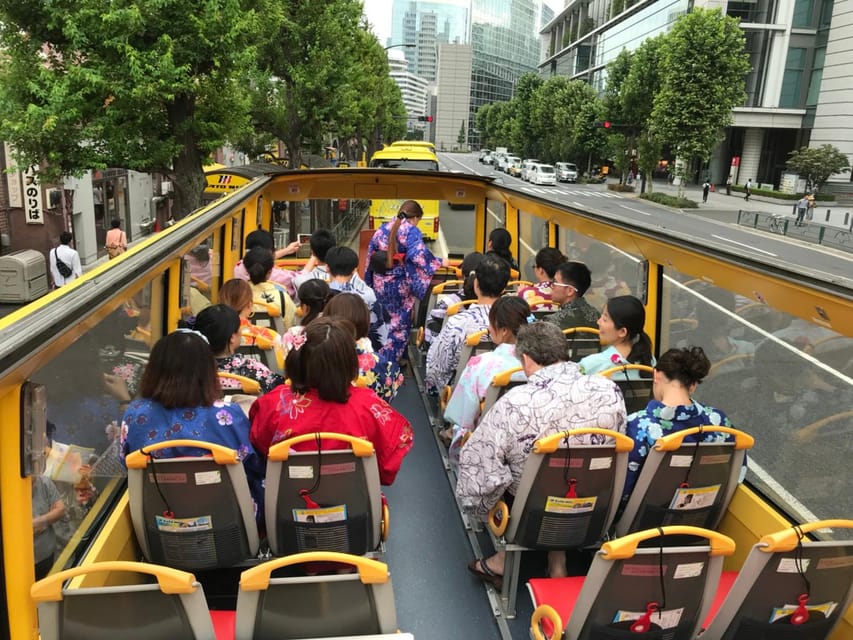
The bus then heads back toward central Tokyo, passing Tsukiji Outer Market and Kabuki-za. Again, these are passing points, not stops.
Tsukiji Outer Market is associated with food stalls, small shops, and Tokyo’s former wholesale market district. The bus cannot provide the market experience itself. You will not be eating, shopping, or walking through the lanes during this tour. Think of this as a useful reminder to return later if you want a close-up visit.
Kabuki-za offers a quick look at one of Ginza’s most recognizable cultural landmarks. The theater is connected with kabuki, Japan’s traditional stage art, but the tour does not include a performance or admission.
These two sights show why the route works as an overview. You can identify places you may want to revisit, then return by train or on foot with more time. The ride helps you spend your limited sightseeing hours with a little more direction.
Finishing through Ginza
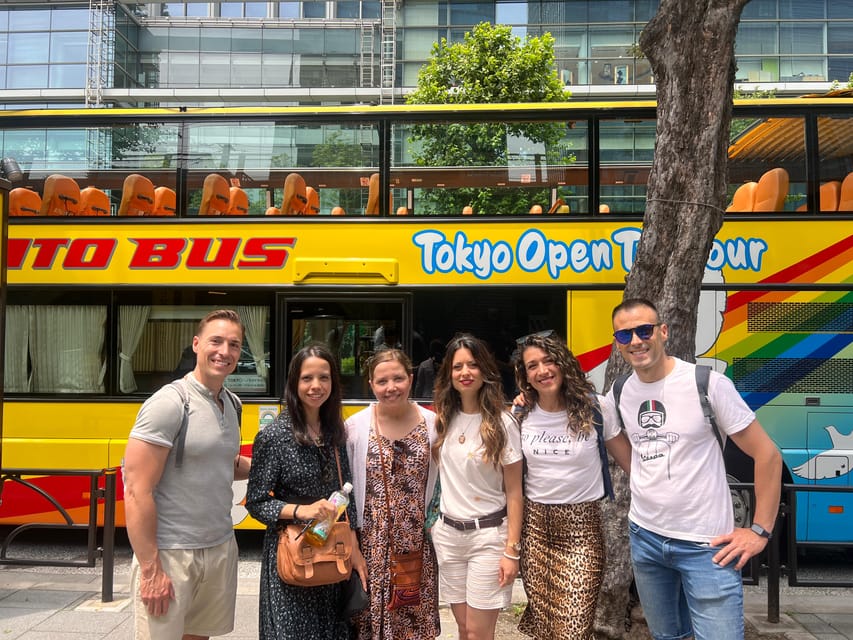
The final section passes through Ginza before returning to the Hato Bus office. Ginza is known for department stores, luxury shops, restaurants, and carefully planned central streets. From the upper deck, you get a moving view of the district without committing to a shopping visit.
Ginza also makes a good ending because it connects naturally with Tokyo Station. Once the bus returns, you can continue shopping, find a meal, or take the train elsewhere. The fixed start and finish simplify your plans.
Keep in mind that the bus does not stop for shopping or food. Eating is not allowed onboard, although drinks in plastic bottles are permitted. If you need a snack, have it before boarding or after the ride.
The audio guide and what you need to bring
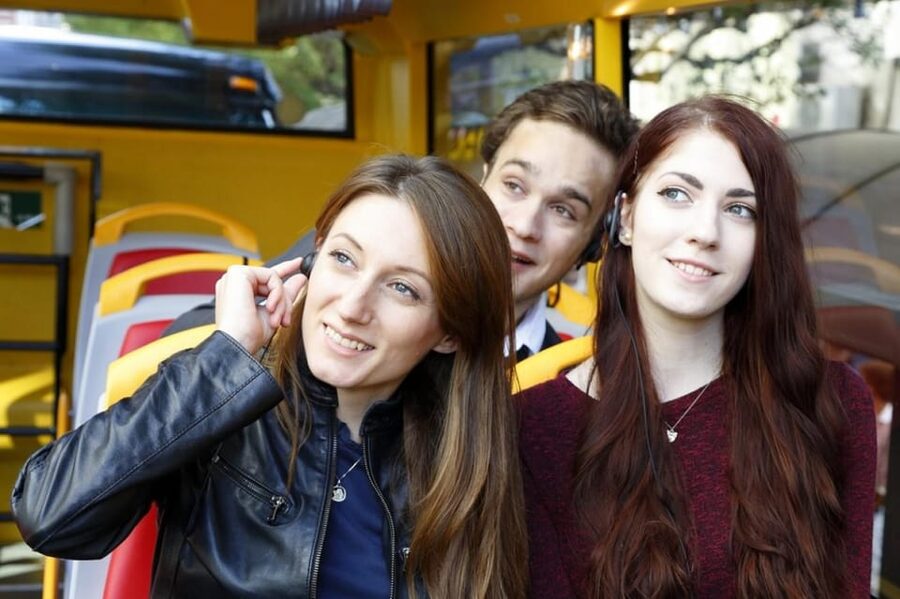
The live tour guide speaks Japanese. GPS automated guidance is available in Chinese, English, French, Indonesian, Korean, Spanish, Thai, and Vietnamese.
You need to bring a smartphone that works in Japan and your own earphones. The GPS system and earphones are not supplied for rental. The audio service is free, but there are no refunds for technical problems or faulty earphones, so test your phone and bring charged equipment before you arrive.
The audio system is especially useful because the route covers many districts in a short time. English-speaking visitors can follow the sightseeing commentary without needing a live guide in English, while visitors using the other listed languages have the same option.
The GPS format also means you should not expect a long personal conversation with the guide. The live guide is Japanese-speaking, while the language choice comes through the automated system. That arrangement suits you if you want clear basic information and the freedom to listen in your preferred language.
Comfort, weather, and the open deck
The double-decker bus is designed for views, not for long-distance comfort. One hour is a sensible length: enough time to see a wide section of Tokyo without making the seating or weather conditions tiring.
The open deck is the main appeal, but it also makes clothing important. The provided information does not specify seasonal equipment, so dress for the weather you expect in Tokyo and prepare for wind on Rainbow Bridge. If rain begins, the roof may close.
You should also remember that this is not a hop-on hop-off service. There are no scheduled stops where you can leave the bus, visit a sight, and board again later. If you want to enter Tokyo Tower, explore Tsukiji, visit Odaiba, or see a kabuki performance, book separate time for those activities.
Children under six can join without a seat for free, with one child per adult. If a young child needs a seat, the booking conditions may differ, so check the arrangement before you reserve.
Is $14 good value?
At $14 per person, this is an inexpensive way to see a large portion of Tokyo in one hour. You are paying for the bus route, the open-top view, and the audio guide, not for entrance tickets or a guided visit inside any attraction.
The value is strongest if you are new to Tokyo, short on time, or want a relaxed overview before exploring on foot. A single train ride may cost less, but it will not give you the same continuous view of Tokyo Tower, Rainbow Bridge, Odaiba, Toyosu, Tsukiji, Kabuki-za, and Ginza from one seat.
The value is weaker if you want detailed commentary, frequent photo stops, or time inside the landmarks. You will pass every point on the route, and that distinction matters. The tour is best treated as a moving city sampler.
Free cancellation is available up to 24 hours before departure, and you can reserve now and pay later. Starting times vary, so check availability for the date you want.
Who should book this Tokyo bus tour?
I would recommend it to first-time visitors who want a quick overview, families who prefer a simple one-hour activity, and anyone who enjoys city views more than museum interiors. It is also useful for people staying near Tokyo Station, since the meeting point is easy to connect with before or after other plans.
The tour suits you if you are happy to remain onboard and watch Tokyo unfold. The open deck, changing angles of Tokyo Tower, and Rainbow Bridge crossing are the strongest reasons to choose it.
I would be more cautious if you have only one chance to visit a particular sight and want to explore it in detail. This bus does not stop at the National Diet Building, Tokyo Tower, Odaiba, Toyosu, Tsukiji Outer Market, Kabuki-za, or Ginza.
Should you book it?
Book this tour if you want a low-cost, one-hour introduction to Tokyo with broad views and simple planning. Bring your phone, earphones, and weather-ready clothing, then treat the route as an overview that helps you choose where to spend the rest of your day.
Skip it if you need a stop-and-explore itinerary or if rain is likely to spoil the open-top experience. For $14, it offers a useful look at a lot of Tokyo, but its strength is coverage, not depth.
FAQ
Where does the Tokyo open-top bus tour start?
It starts at the Hato Bus Tokyo office near the JR Tokyo Station Marunouchi South Exit. After leaving the exit, turn left and walk straight for about two minutes to the yellow Hato Bus stop.
How long does the tour last?
The tour lasts one hour.
Does the bus return to Tokyo Station?
Yes. The bus returns to the Hato Bus Tokyo office where the tour began.
Is this a hop-on hop-off bus?
No. This is a continuous sightseeing ride. You cannot get off at the listed sights and board again later.
What languages are available?
The live guide speaks Japanese. GPS automated guidance is available in Chinese, English, French, Indonesian, Korean, Spanish, Thai, and Vietnamese.
Do I need to bring my own earphones?
Yes. You must bring your own earphones and a smartphone that can be used in Japan. GPS devices and earphones are not provided for rental.
Can I eat or drink on the bus?
Eating is not allowed. Drinks in plastic bottles are permitted.
What happens if it rains?
The bus roof may be closed in rain. The tour may be canceled because of bad weather or heavy rain.
Can children under six join for free?
Children under six can join without a seat for free, with one child allowed per adult.
More Sightseeing Bus Tours in Tokyo
- Rome: City Sightseeing Hop-on Hop-off Bus with Audioguide
★ 4.0 · 16,045 reviews - Barcelona: City Sightseeing Hop-On Hop-Off Bus Tour
★ 4.4 · 10,061 reviews - City Sightseeing London Hop-On Hop-Off Bus & Bookable Extras
★ 4.4 · 7,374 reviews - Hamburg: Line A Sightseeing Hop-On Hop-Off Bus Tour
★ 4.6 · 6,958 reviews
More Open-Top Bus Tours in Tokyo
- Rome: Big Bus Hop-on, Hop-off Open-Top Sightseeing Tour
★ 4.1 · 9,537 reviews - Savannah Hop-On Hop-Off Trolley Tour
★ 4.5 · 6,527 reviews - Prague: Sightseeing Dinner Cruise on Open-Top Glass Boat
★ 4.4 · 6,314 reviews - New York: Hop-on Hop-off Sightseeing Tour by Open-top Bus
★ 4.2 · 5,863 reviews
Just added around Tokyo
- Tokyo: A Half-Day Trip Bus Tour in the Morning★ 4.6 · 236 reviews
- 3-Row Luxury Bus Tour to Mt. Fuji, Lake Kawaguchi from Tokyo★ 4.3 · 3 reviews
- Full Tokyo: Meiji Shrine, Imperial Palace, Asakusa & Skytree★ 4.4 · 7 reviews
- Tokyo: Mount Fuji Views and KABA Amphibious Bus Day Tour★ 5.0 · 4 reviews
- Tokyo: 1 Day Bus Tour with Meiji-Jingu,Odaiba,lunch&Skytree★ 4.6 · 156 reviews
- Tokyo: Morning Sightseeing Bus Tour★ 4.4 · 109 reviews
- Tokyo Thrilling Open Top Bus Expressway Adventure Tour★ 4.3 · 5 reviews
- Tokyo: Open Top Panoramic Sightseeing Bus with Audio Guide★ 3.8 · 254 reviews
Tokyo Bus Tours, compared.
Mt Fuji and Hakone 1-Day Bus Tour Return by Bullet Train
Read our review →
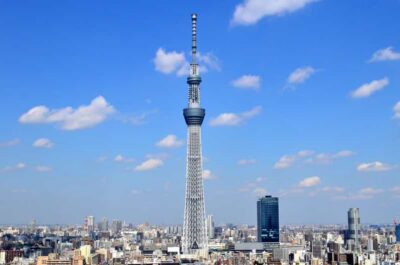
Meiji Shrine, Asakusa, Skytree Bus Tour and Cruise
Read our review →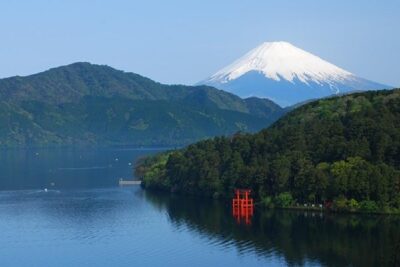
Mt Fuji & Hakone Cruise, Drum Show Bus 1 Day from Tokyo
Read our review →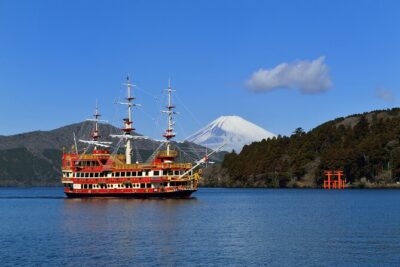
Mt Fuji and Hakone 1-Day Bus Tour Return by Bus
Read our review →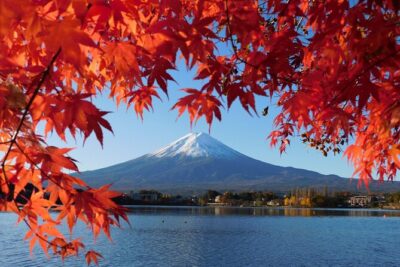
Mt.Fuji & Lake Kawaguchiko 1-Day Bus Tour w/Optional Lunch
Read our review →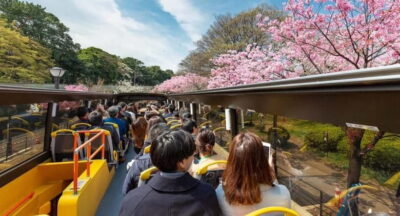
Open Top Panoramic Sightseeing Bus with Audio Guide
Read our review →