
REVIEW · TOKYO
Tokyo: Meiji Shrine, Asakusa, Skytree Bus Tour and Cruise
Tokyo is a huge city, and this 10-hour coach tour tackles it from west to east in one long, well-organized day. You move from the forested Meiji Shrine and Imperial Palace to old Asakusa, then finish high above the city at Tokyo Skytree and, when conditions allow, on a short cruise beneath Rainbow Bridge.
I like the air-conditioned bus, especially in Tokyo’s summer heat, and I like the mix of major sights with small cultural stops such as matcha and an izakaya-style meal. Guides including Aya, Sora, Yui, Hiro, Levin, and Tsubasa have been praised for clear explanations, humor, and practical help. The tradeoff is pace: you may walk more than 11,000 steps and spend only a short time at some sights.
Key points to know before booking
- Meiji Shrine begins the day with calm forest paths, a welcome contrast to central Tokyo’s traffic and towers.
- Asakusa combines sightseeing, shopping, matcha, and lunch in one concentrated stop.
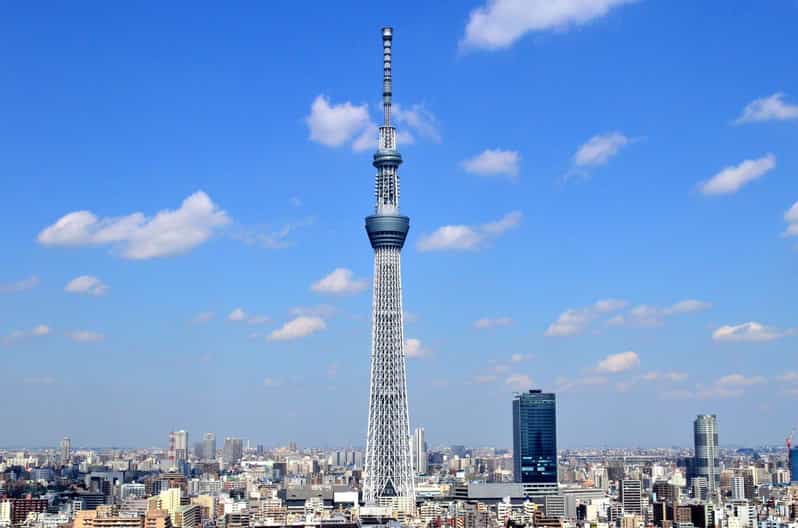
- Tokyo Skytree’s 350-meter Tembo Deck provides the day’s broadest city views, with admission included.
- The coach saves time between distant districts, but this is still an active walking day.
- The cruise is not guaranteed. High tide, maintenance, and the Tuesday schedule can replace it with Hamarikyu Gardens or the Fukagawa Edo Museum.
- The $122 price is strongest for a first Tokyo visit, when you want transport, commentary, Skytree admission, and several districts handled in one day.
Why this tour works for a first day in Tokyo
The clever part of this outing is its route. Tokyo’s main sights are spread across a wide area, and crossing the city by local train can take time and concentration. Here, you ride between districts while the guide fills in the story, then get out for the places best seen on foot.
You begin near central Tokyo, with meeting options that may include the Love statue in Shinjuku or Matsuya Ginza, depending on the booking choice. Check your exact meeting point carefully. The tour ends near Tokyo Mode Gakuen, so you should plan your evening from there rather than assuming you will return to your hotel.
The bus passes Kabukicho, Tokyo’s famous nightlife district, before heading toward Meiji Shrine. Wi-Fi is available on board, and the coach provides welcome relief between walking sections. The exact order can change because of traffic, weather, or operating conditions, so treat the schedule as a framework rather than a minute-by-minute promise.
This is not a small walking tour focused on one neighborhood. It is a broad introduction to Tokyo. You will see famous places, learn how the city’s religious and imperial traditions fit into modern life, and get a useful sense of where you may want to return later.
A few more bus tours around Tokyo worth a look
- Mt Fuji and Hakone 1-Day Bus Tour Return by Bullet Train
★ 5.0 · 26,383 reviews - 1-Day Tokyo Bus Tour
★ 5.0 · 14,250 reviews - Mt Fuji & Hakone Cruise, Drum Show Bus 1 Day from Tokyo
★ 4.0 · 1,287 reviews
Meiji Shrine, Tokyo’s forested beginning
Meiji Shrine is dedicated to Emperor Meiji and Empress Shoken. Its wooded setting makes it feel far removed from nearby Harajuku, even though you are still in the middle of Tokyo.
You have about an hour here, including the walk through the grounds. The large wooden torii gate, broad gravel paths, shrine buildings, and rows of donated sake barrels give you a clear introduction to Shinto customs. Your guide can explain how to approach the shrine and how visitors traditionally pray.
Wear comfortable shoes. The path is manageable for many people, but the combination of walking, gravel, and a full day ahead makes footwear important. The tour is not recommended for people with mobility impairments, and you should also consider your comfort with a long day on foot.
After the shrine, the bus passes Harajuku and Omotesando. You do not get a dedicated stop in either district, but the drive gives you a quick look at the contrast between Harajuku’s youth culture and Omotesando’s polished shopping streets.
The Imperial Palace and a glimpse of old Edo
The next stop is the Imperial Palace area, where you spend about 30 minutes. The palace occupies the site of Edo Castle, the stronghold of the rulers who shaped Tokyo before the modern imperial era.
The visit may focus on the East Garden, with its traditional Japanese garden features, or on Niju-bashi Bridge in the Outer Garden. These are different experiences. The East Garden gives you more greenery and castle-site context, while Niju-bashi offers a recognizable view connected with the Imperial Palace grounds.
Thirty minutes is enough for photographs and a short explanation, but not enough for a leisurely garden visit. That is part of the bargain on this itinerary. You get a useful introduction, then move on before one location takes over the entire day.
From the coach, you also pass the National Diet Building, Japan’s parliament, with its symmetrical 1936 design. The route continues through Akihabara, Ueno, and Kappabashi, a street known for kitchenware, Japanese dishes, knives, and remarkably realistic plastic food displays.
These drive-by sections are easy to underestimate. You will not have time to shop in every district, but you will see how quickly Tokyo changes from government center to electronics quarter, museum area, and restaurant-supply market.
Asakusa brings together old Tokyo and good food
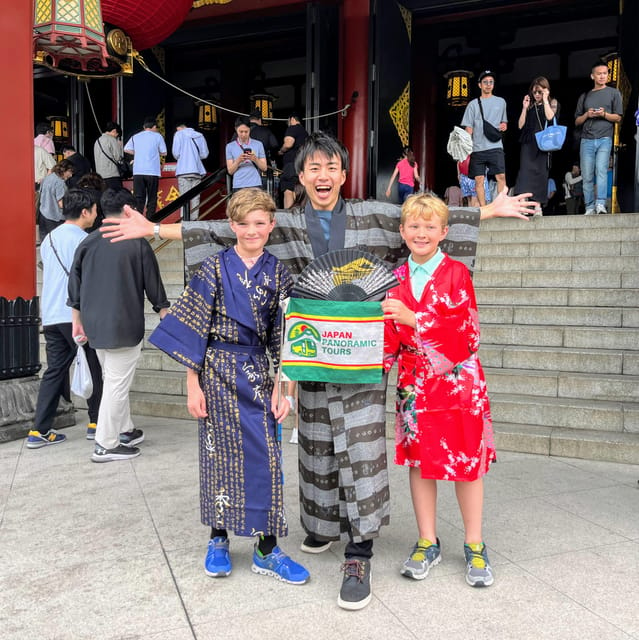
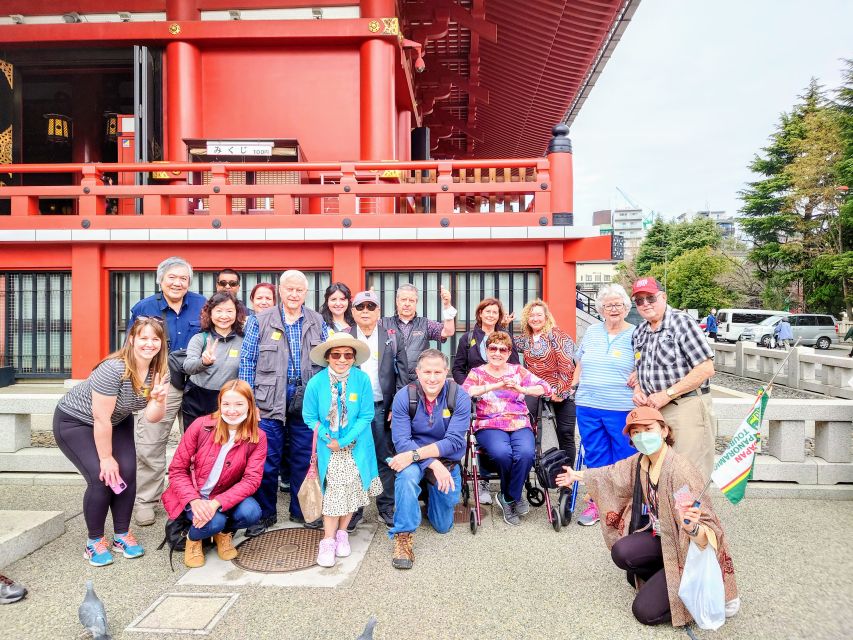
Asakusa is the busiest part of the day in terms of small experiences. You have time for the Kaminarimon Gate, Nakamise shopping avenue, the Sensoji area, matcha, lunch if selected, and some free exploration.
Kaminarimon’s giant red lantern is one of Tokyo’s most familiar sights. It is also a practical meeting landmark, so pay attention to the guide’s instructions before wandering into Nakamise. The shopping street leads toward Sensoji and is lined with snacks, souvenirs, crafts, and traditional-style goods.
The matcha stop is more than a quick drink. The experience uses first-flush Uji tea from Kyoto, described as premium matcha with a less bitter taste. Depending on your selection, you may have matcha tea, matcha gelato, or matcha beer. The matcha gelato is a useful choice if you prefer something cool and sweet after walking.
The food option is an izakaya-style set meal featuring Japanese fried chicken, often called karaage, and tofu, served with a soft drink. The tofu is made in the shop from locally produced soybeans. Several people found the lunch satisfying, while one person thought the food was disappointing, so I would treat it as a convenient cultural meal rather than the main reason to book.
Dietary details matter here. Vegetarian and gluten-free meals must be requested during booking. The gluten-free option is grilled chicken, rice, and tofu. The regular meal contains no pork, seafood, nuts, or crustaceans, but the dashi stock contains fish broth. Muslim-friendly, lactose-free, and serious allergy-friendly meals are not available. If those limits affect you, book without lunch and arrange your own food.
You have about an hour of free time in Asakusa after the food and matcha activities. That is enough to browse Nakamise, take photographs, visit the temple area, or buy a snack. It is not enough for a slow exploration of every side street, so resist the temptation to go too far from the meeting point.
Same city, a different seat on the bus:
- Mt Fuji and Hakone 1-Day Bus Tour Return by Bus
★ 4.5 · 929 reviews - Tokyo: Mt.Fuji & Lake Kawaguchiko 1-Day Bus Tour w/Optional Lunch
★ 4.5 · 839 reviews - Tokyo: Open Top Panoramic Sightseeing Bus with Audio Guide
★ 3.8 · 254 reviews - Tokyo: A Half-Day Trip Bus Tour in the Morning
★ 4.6 · 236 reviews
Tokyo Skytree supplies the big view
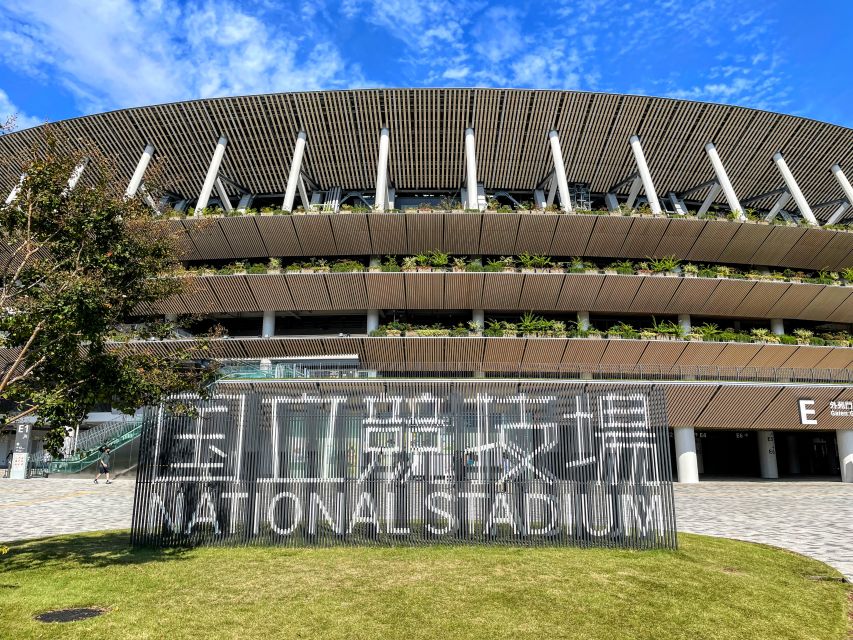
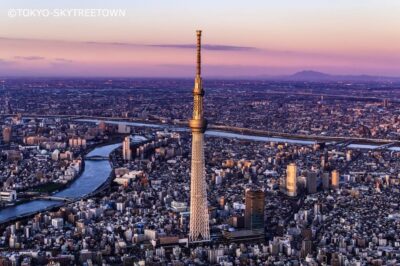
Tokyo Skytree is the day’s modern counterpoint to Meiji Shrine and Asakusa. At 634 meters, it is Tokyo’s tallest broadcasting tower and one of the clearest ways to understand the city’s scale.
Your admission to the Tembo Deck at 350 meters is included. The visit lasts about 90 minutes and also gives you time around Tokyo Skytree Town and the Sora-machi shopping mall.
The view is the main event. On a clear day, you can look across an enormous spread of buildings and waterways. The height helps you grasp how Tokyo’s separate districts fit together, something that is difficult to sense from street level.
The 90-minute stop may feel generous to some people and too long to others. One useful point from the tour pattern is that a few people would prefer more time at Meiji Shrine and less at Skytree. If you love city views, shopping, and modern architecture, Skytree will probably be a highlight. If temples and gardens are your priority, this is where the schedule may feel less balanced.
Skip-the-line admission is included, which matters on a tightly timed day. You do not need to spend part of your visit arranging a separate ticket, though access can still be affected by operating conditions.
A short cruise beneath Rainbow Bridge
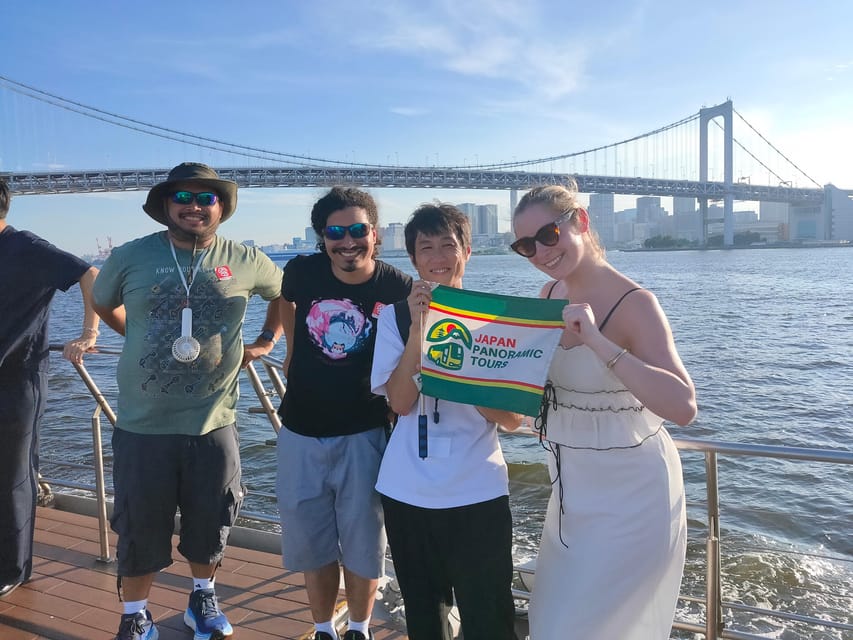
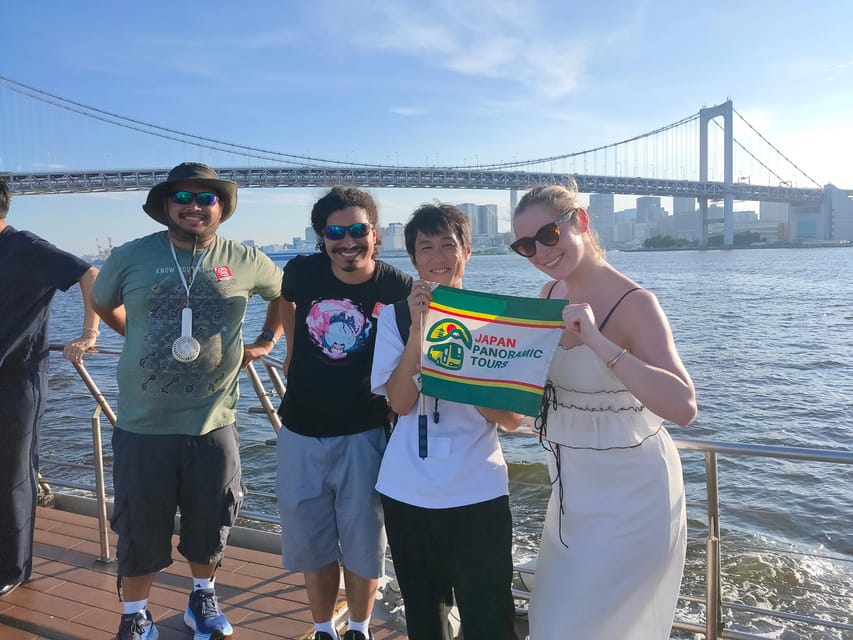
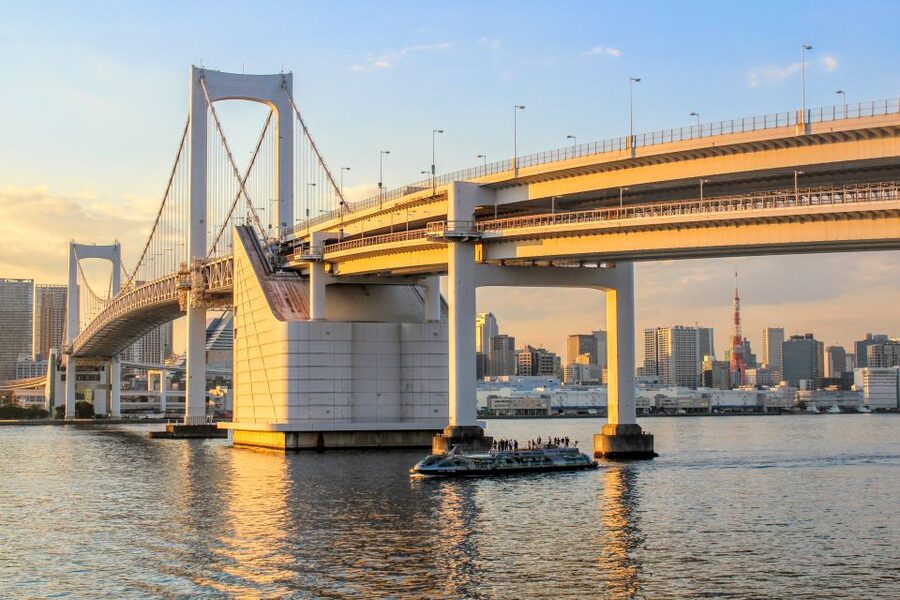
The final activity is usually a 15 to 20-minute Tokyo Bay cruise from the Odaiba area. You ride beneath Rainbow Bridge and look back toward Tokyo’s waterfront buildings from the water.
It is a pleasant change after a day of shrines, streets, shops, and observation decks. If the timing reaches late afternoon or sunset, the light can make the cruise feel especially appealing. It is not a major sightseeing voyage, but it gives you a different angle on the city and a quiet finish to a busy day.
The cruise is not guaranteed. High tide or technical maintenance can lead to a visit to Hamarikyu Gardens or the Fukagawa Edo Museum instead, with no refund for the change. Tuesday also follows a different arrangement, with the museum or Hamarikyu Gardens included instead of the cruise.
That policy is worth understanding before you pay. If the boat is essential to your decision, this is not the right product to treat as a guaranteed cruise tour. If you mainly want a full Tokyo overview, the replacement still gives you another cultural stop.
The guide makes the long day work
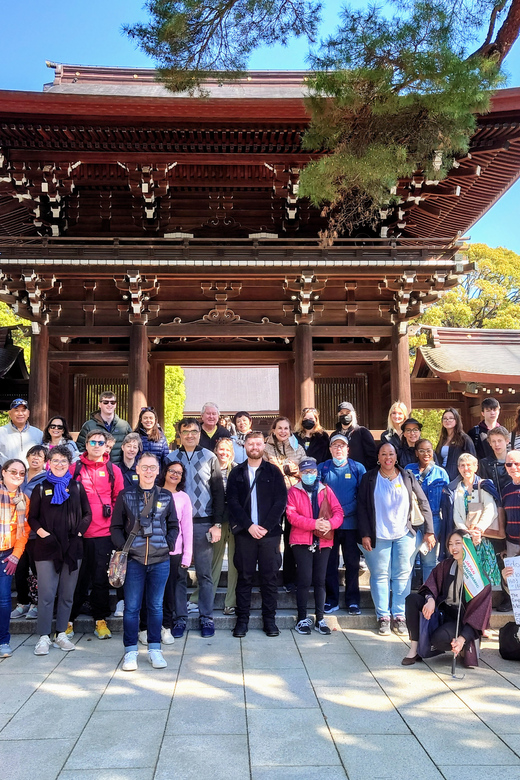
A good guide matters on a schedule this full. The strongest part of the experience is not only the number of stops, but the human explanation between them.
Aya has been praised for keeping the day organized and answering questions. Sora is known for clear explanations and a cheerful manner. Yui has provided cultural and historical context, while Tsubasa has been singled out for enthusiasm, patience, and even teaching Japanese words and writing.
Other named guides include Hiro, Levin, Lovely, Lisa, Momo, Yuty, Angela, and Yuta. The common pattern is a guide who keeps people moving, explains shrine customs, offers restaurant and shopping suggestions, and helps with Tokyo transport after the tour.
The multilingual audio headsets add support in Spanish, French, Italian, German, Portuguese, and Ukrainian. The live guide speaks English, so the audio system is most useful if you prefer explanations in another listed language or want to hear details clearly while walking.
The bus driver also matters. Several accounts specifically praise smooth driving, which is no small thing on a long Tokyo route. You spend enough time on the coach that a comfortable ride changes the feel of the entire day.
Is $122 good value?
At $122 per person, this is not the cheapest way to visit Tokyo. You could use the train system and visit several of these areas independently for less, especially if you skip the paid observation deck and organize your own meals.
The value comes from what you avoid arranging. The price includes the air-conditioned coach, transportation between far-flung districts, an English-speaking guide, Wi-Fi, matcha, and Tokyo Skytree’s 350-meter admission. Lunch is included only if you select that option. The cruise is included on the relevant days, while Tuesday uses a different attraction.
I think the price makes sense for a first visit, a short stay, or a day when you want someone else to handle the route. It is particularly useful in hot, humid, or rainy weather, when moving between districts on public transport can become tiring.
It makes less sense if you already know Tokyo well, dislike fixed schedules, or want long visits at each shrine and museum. You are paying for breadth and convenience, not slow travel.
Who should book this Tokyo tour?
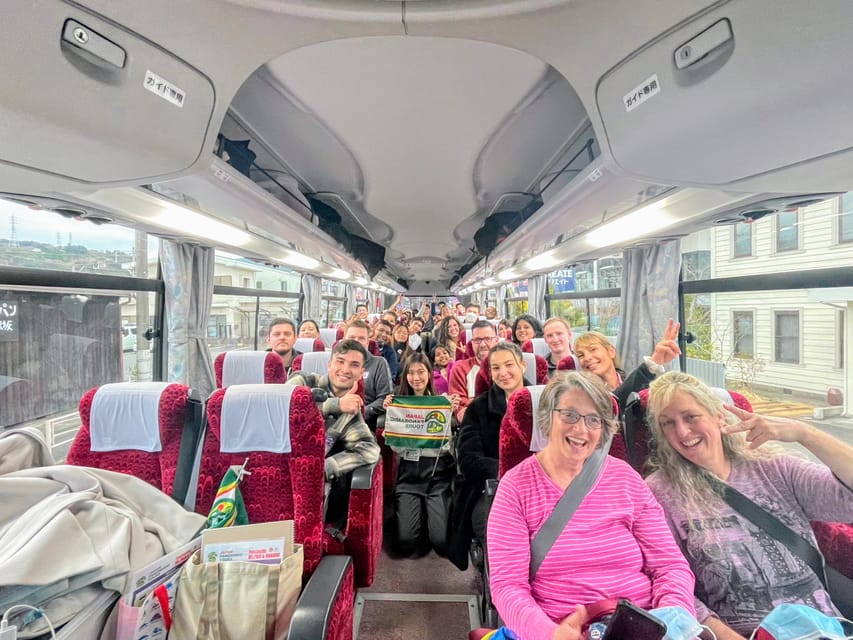
I would choose this tour if you have one or two open days in Tokyo and want a strong first look at the city. It suits couples, families with older children, and solo visitors who prefer guidance while learning how the districts connect.
It is also a good fit if you want cultural context without spending the entire day inside museums. Meiji Shrine, the Imperial Palace, Asakusa, matcha, and the Skytree give you a useful range of old and new Japan.
Prepare for a fast pace. One full day can mean more than 11,000 steps, standing at busy sights, and short windows for photographs and shopping. Bring comfortable shoes, water, and only what you want to carry. You are responsible for loading and unloading luggage, wheelchairs, and strollers yourself.
Free cancellation is available up to 24 hours before departure, and you can reserve now and pay later. The meeting point varies by option, so confirm it carefully and allow time to reach it.
Should you book it?
Book this tour if your priority is seeing many of Tokyo’s major sights without solving the transport puzzle yourself. The best reasons are the efficient coach route, strong guide support, included Skytree entry, and the useful combination of shrine, palace, old town, food, shopping, and waterfront scenery.
Skip it if you want a relaxed day, have mobility concerns, or need guaranteed cruise access and highly flexible meal choices. For most first-time visitors with limited time, though, the tour gives you a practical overview and leaves you with clear ideas for what to explore more slowly later.
FAQ
How long does the Tokyo tour last?
The tour lasts about 10 hours, including transportation, sightseeing stops, food activities, free time, and the final waterfront activity.
Where does the tour start?
Starting points vary by the option selected. They may include the Love statue in Shinjuku or Matsuya Ginza. Check the meeting point shown for your booking.
Where does the tour finish?
The tour finishes near Tokyo Mode Gakuen.
Is lunch included?
Lunch is included only when you select the lunch option. The meal is a set menu with Japanese fried chicken, tofu, and a soft drink.
Can I request a vegetarian or gluten-free meal?
Yes. You must state the number of vegetarian or gluten-free meals when booking. The gluten-free meal includes grilled chicken, rice, and tofu.
Does the meal contain fish?
The regular meal has no pork or seafood, but its dashi stock contains fish broth.
Is the Tokyo Bay cruise guaranteed?
No. High tide or technical maintenance can replace the cruise with Hamarikyu Gardens or the Fukagawa Edo Museum. The cruise is also not included in the Tuesday arrangement.
Which languages are supported?
The live tour guide speaks English. Audio headsets are available in Spanish, French, Italian, German, Portuguese, and Ukrainian.
Is the tour suitable for people with mobility impairments?
No. The tour is listed as unsuitable for people with mobility impairments, and you should expect substantial walking throughout the day.
Just added around Tokyo
- Tokyo: A Half-Day Trip Bus Tour in the Morning★ 4.6 · 236 reviews
- 3-Row Luxury Bus Tour to Mt. Fuji, Lake Kawaguchi from Tokyo★ 4.3 · 3 reviews
- Tokyo: 1 Day Bus Tour with Meiji-Jingu,Odaiba,lunch&Skytree★ 4.6 · 156 reviews
- Full Tokyo: Meiji Shrine, Imperial Palace, Asakusa & Skytree★ 4.4 · 7 reviews
- Tokyo: Mount Fuji Views and KABA Amphibious Bus Day Tour★ 5.0 · 4 reviews
- Tokyo: Morning Sightseeing Bus Tour★ 4.4 · 109 reviews
- Tokyo: 60min Panoramic Open Top Bus Tour with Audio Guide★ 4.0 · 40 reviews
- Tokyo Thrilling Open Top Bus Expressway Adventure Tour★ 4.3 · 5 reviews
Tokyo Bus Tours, compared.
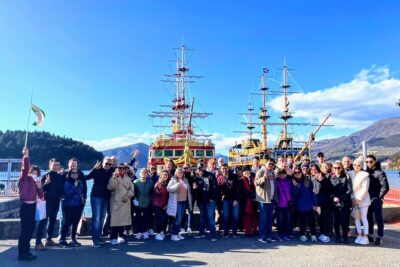
Mt Fuji and Hakone 1-Day Bus Tour Return by Bullet Train
Read our review →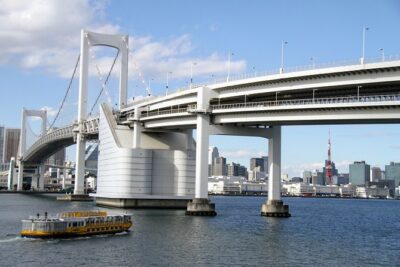
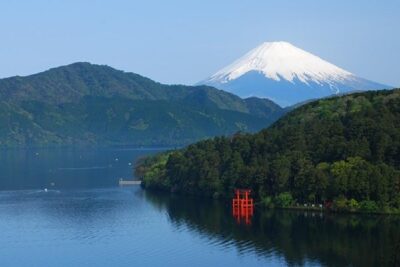
Mt Fuji & Hakone Cruise, Drum Show Bus 1 Day from Tokyo
Read our review →
Mt Fuji and Hakone 1-Day Bus Tour Return by Bus
Read our review →
Mt.Fuji & Lake Kawaguchiko 1-Day Bus Tour w/Optional Lunch
Read our review →
Open Top Panoramic Sightseeing Bus with Audio Guide
Read our review →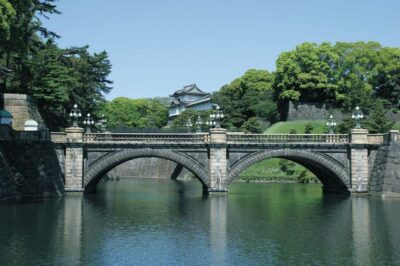
1 Day Bus Tour with Meiji-Jingu,Odaiba,lunch&Skytree
Read our review →Browse the lists this tour appears in