REVIEW · TOKYO
Tokyo: Open Top Panoramic Sightseeing Bus with Audio Guide
Tokyo is easiest to grasp from above street level, and this open-top bus ride gives you a quick look at both its old and modern sides. In 70 minutes, you can pass Tokyo Tower, Ginza, the Imperial Palace area, Rainbow Bridge, and Odaiba without changing trains or checking a map.
I like the low price and the way the GPS audio guide starts information automatically as the bus moves through the city. I also like the choice of two routes: the Bay Course gives you water views and Rainbow Bridge, while the City Course focuses on grand avenues, parks, skyscrapers, and central Tokyo.
The main catch is simple: you are at the mercy of the weather. Heat, cold, rain, and traffic can shape the ride, and the roof may be closed in wet conditions. Knee space is limited, and the loud Japanese announcements or background music can sometimes compete with the audio guide.
Key points to know before you book
- Two different 70-minute routes: Choose the Bay Course for Tokyo Bay, Odaiba, and Rainbow Bridge, or the City Course for the Imperial Palace area, Roppongi, Tokyo Tower, and Ginza.
- Automatic GPS commentary: The audio system follows the bus location and adjusts as traffic changes the timing.
- Tokyo Station departure: Check in at Tokyo VIP Lounge, about a five-minute walk from Tokyo Station’s Yaesu North Exit.
- Very low price: At $11 per person, this is one of the least expensive ways to get a broad first look at central Tokyo.
- Weather matters: The tour runs in most conditions, but the open roof may be closed in rain. Bring clothing for the forecast, but do not bring an umbrella onto the bus.
- Plan for an early arrival: You need to be at the correct meeting point 20 to 40 minutes before departure. The bus leaves on time and does not wait for late arrivals.
A quick view of Tokyo for only $11
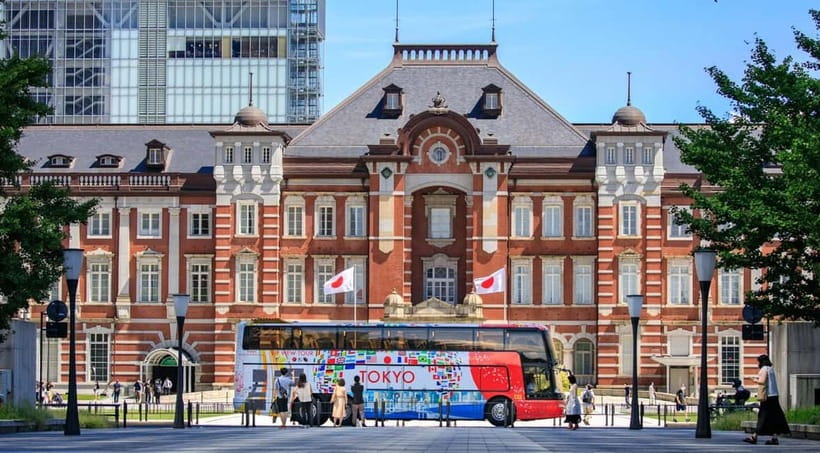
At $11, this is not a full guided tour of Tokyo. You will not get off to explore each landmark, and there is no live English-speaking guide explaining the city beside you. What you do get is a useful orientation ride, a seat, a changing view, and automatic commentary for less than many short city attractions cost.
I see the best value here for a first day in Tokyo. You can watch the city unfold, note the places that interest you, and return later by train or on foot. It is also a smart choice if you have only a short stop in the city and want more than a single neighborhood.
The bus does not replace Tokyo’s excellent train system. It is slower and traffic can interfere with the schedule. But trains hide the city behind tunnels and station corridors. From the upper deck, you see the width of the avenues, the height of the buildings, the parks tucked between office districts, and the way Tokyo’s older landmarks sit beside modern towers.
More Open-Top Bus Tours in Japan
- Tokyo: 60min Panoramic Open Top Bus Tour with Audio Guide
★ 4.0 · 40 reviews - Tokyo Thrilling Open Top Bus Expressway Adventure Tour
★ 4.3 · 5 reviews - Tokyo: Open Top Sightseeing Bus with Audio Guide
★ 4.5 · 5 reviews
Starting near Tokyo Station
The meeting point is Tokyo VIP Lounge, in a building with Family Mart on the ground floor. It is on the second and third floors, roughly five minutes from Tokyo Station’s Yaesu North Exit.
Give yourself extra time here. The instructions ask you to check in 20 to 40 minutes before departure, and this is sensible advice. Tokyo Station is large, and the area around it can be confusing when you are carrying luggage or arriving straight from a train.
The lounge is a shared paid facility rather than a polished private waiting room. Open-top bus customers can use it free of charge from 40 minutes before departure. If you arrive outside that period, a facility fee may apply, so do not plan to spend a long part of the day there.
Staff can assist in Japanese. A map is provided, and the group is taken on a short walk to the waiting bus. This small transfer is helpful because you do not have to guess which vehicle or curb to find. It also means that arriving at the lounge is not the same as boarding the bus, so arriving at the last minute is a poor plan.
Choosing the Bay Course
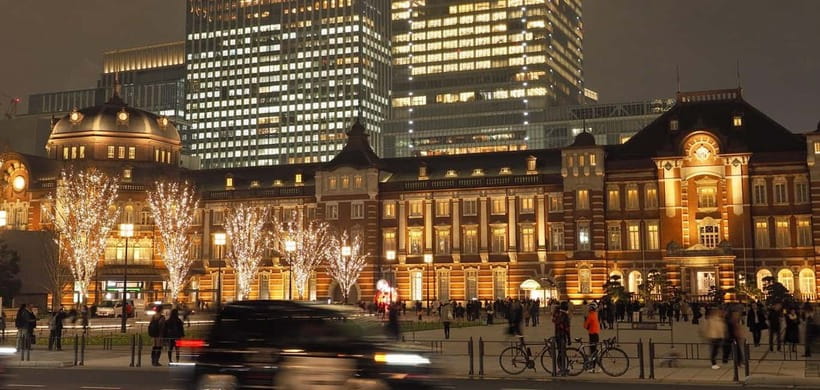
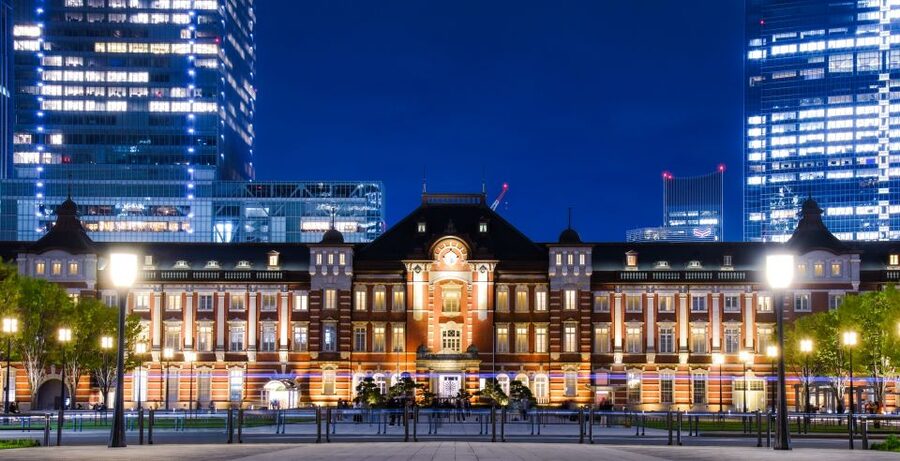
The Bay Course is the more scenic choice if you want water, bridges, and modern Tokyo. It begins at the red brick Tokyo Station building and moves through Marunouchi before heading toward Zojoji Temple and Tokyo Tower.
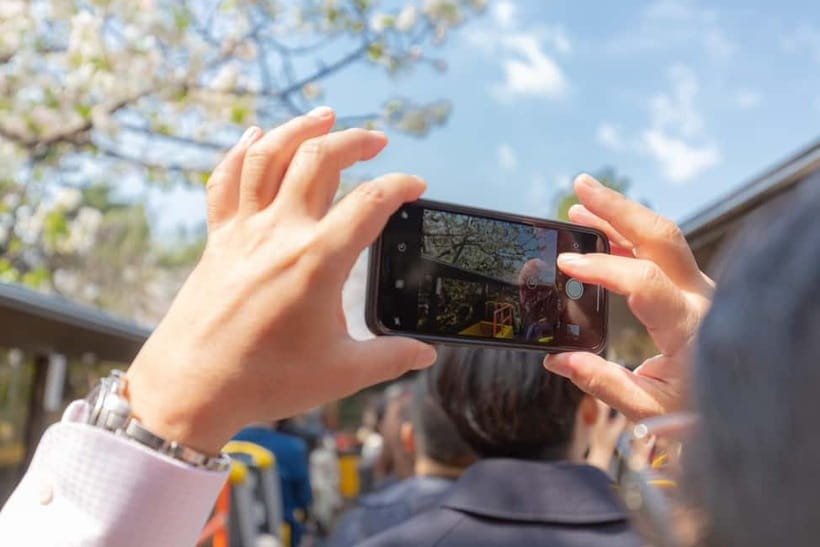
Marunouchi gives you a quick look at Tokyo’s polished business center. The red brick station building is an appealing starting point, with a very different feel from the glass towers and packed roads that follow. You will not stop for photographs, so keep your camera ready as the bus passes.
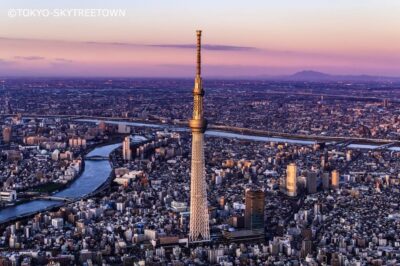
Zojoji Temple and Tokyo Tower make a good visual pair. The temple represents an older Tokyo, while Tokyo Tower rises above it as one of the city’s most recognizable modern symbols. From an open-top bus, you can look up without the blocked sightlines you often get from a car or train.
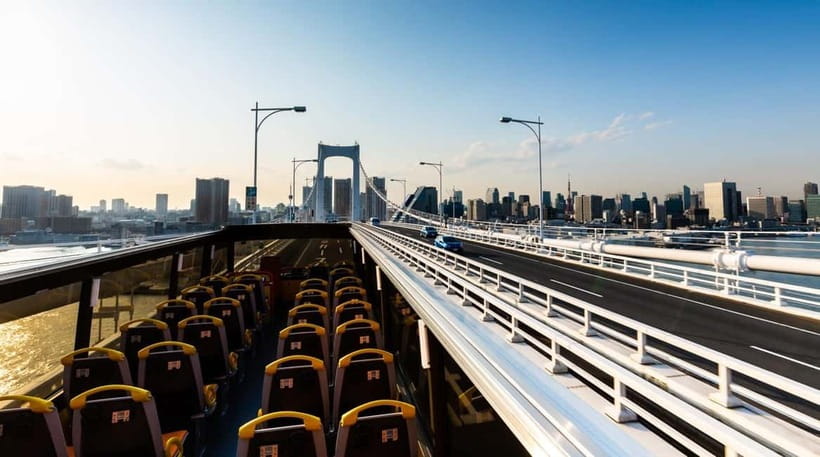
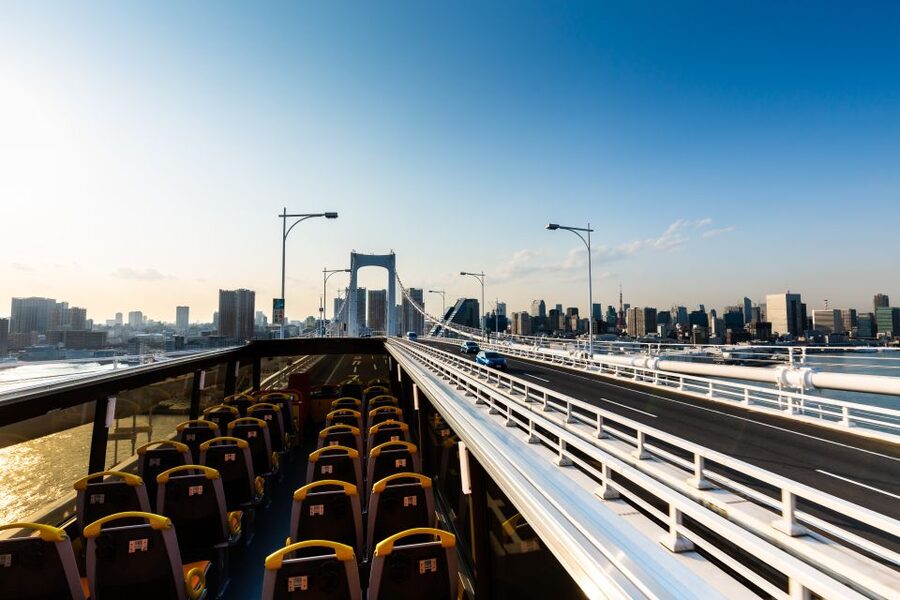
The bus then reaches the Shibaura side of Rainbow Bridge and crosses the bridge’s first level. The bridge itself is the Bay Course highlight. You get a wider view of Tokyo’s waterfront, and the open deck gives you a much better sense of the structure’s scale than a quick glimpse from a taxi.
From there, the route heads to Odaiba. You pass the Fuji TV Building, the Statue of Liberty, and Odaiba Seaside Park. These sights show Tokyo at its most planned and modern, with broad waterfront space and large architectural projects rather than the tight streets of older central districts.
The route crosses Rainbow Bridge again on its second level before returning through Shiodome and Ginza. This return gives you a fresh city view rather than simply retracing the outward journey.
Choose this route if you want:
- Tokyo Bay and Rainbow Bridge
- Odaiba’s unusual architecture
- Tokyo Tower plus waterfront views
- A relaxed ride with fewer central-city landmarks
The Bay Course is especially appealing in clear weather. In rain, the roof may be closed, and the open-top advantage becomes much smaller. Even then, the route still gives you a useful view of Tokyo’s waterfront districts, but you should not book it expecting guaranteed open-air seating.
Choosing the City Course
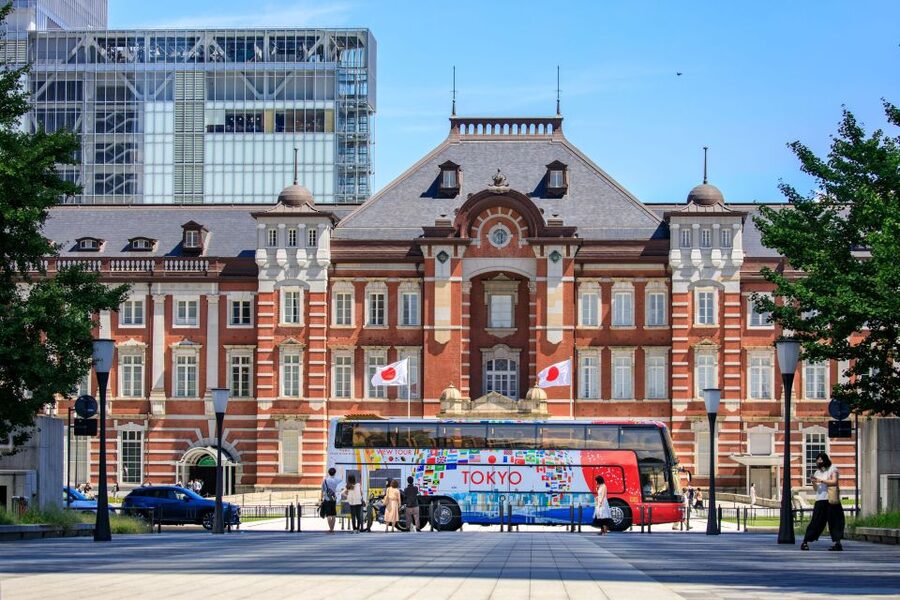
The City Course stays closer to Tokyo’s central districts and is the better match if you want major institutions, parks, embassies, shopping areas, and skyscrapers.
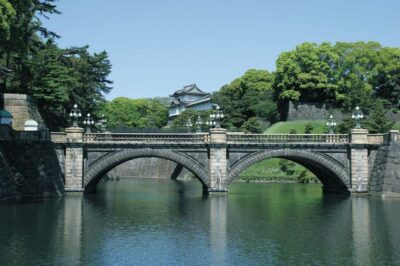
After leaving Tokyo Station and Marunouchi, the bus passes the Chidorigafuchi area. This is associated with the Imperial Palace grounds and gives you a glimpse of central Tokyo’s greener side. The contrast is useful: within a short ride, you move from corporate towers to broad roads and formal parkland.
The route continues past the Akasaka State Guest House and Meiji Jingu Gaien. These areas bring a different mood from Ginza’s shops and Roppongi’s towers. You see ceremonial buildings, tree-lined spaces, and parts of Tokyo that are easy to miss if you spend all your time around major stations.
Tokyo Midtown and Roppongi then shift the view back to contemporary Tokyo. Tall buildings, offices, and entertainment districts take over. Tokyo Midtown is a good example of the city’s modern redevelopment, while Roppongi gives you a sense of one of Tokyo’s best-known central nightlife and business areas.
Tokyo Tower appears again on this route, followed by Hibiya and Ginza. Hibiya links the palace area with the commercial center, and Ginza provides a polished finish with department stores and broad avenues.
Choose this route if you want:
- The Imperial Palace area
- Chidorigafuchi and Meiji Jingu Gaien
- Tokyo Midtown and Roppongi
- Tokyo Tower, Hibiya, and Ginza
The City Course is probably the stronger first ride if your main goal is to understand central Tokyo. The Bay Course is more dramatic visually, but the City Course packs in more of the districts that many people associate with a first visit.
More Sightseeing Bus Tours in Japan
- Tokyo: Morning Sightseeing Bus Tour
★ 4.4 · 109 reviews - Departing from Takayama [Regular sightseeing bus] World Heritage Sites Shirakawago and Gokayama Ainokura
★ 4.5 · 137 reviews - Okinawa: Bus Tour to Churaumi Aquarium with Sightseeing
★ 4.3 · 20 reviews
How the GPS audio guide works
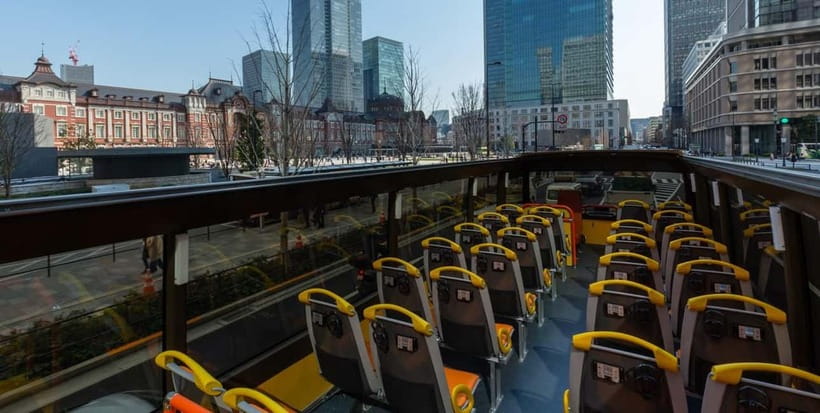
The audio system uses GPS to identify where the bus is and automatically play information about nearby sights. It also adjusts to road conditions, including traffic, so the commentary is intended to match the bus’s actual position rather than follow a rigid recording.
The listed audio languages are Japanese, English, Chinese, French, Korean, Vietnamese, and Thai. That gives you useful flexibility, especially if your group prefers different languages. The live staff language is Japanese, so the recorded system does most of the explanatory work for international passengers.
You may need headphones. They are not included, but optional headphones cost 100 yen. The jack accepts only a 3.5 mm mini plug, so check your own headphones before departure. If you prefer not to buy a pair, ask about the available setup before boarding rather than assuming wireless headphones will connect.
The commentary gives plenty of facts about the places along the road. It is more focused on landmarks and history than on everyday life in Tokyo. That is fine for a short orientation ride, but do not expect a personal conversation about neighborhoods, food, or local customs.
There can also be music between announcements. Some passengers find it louder than the spoken information, and Japanese announcements over a loudspeaker may make the recorded guide harder to hear at times. If clear audio matters to you, sit where you can comfortably use the headphones and keep the volume at a safe level.
What the open-top seating adds
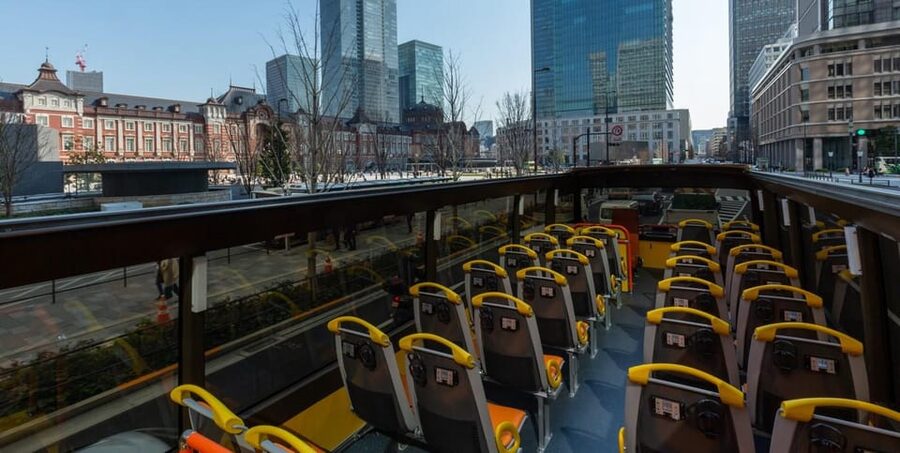
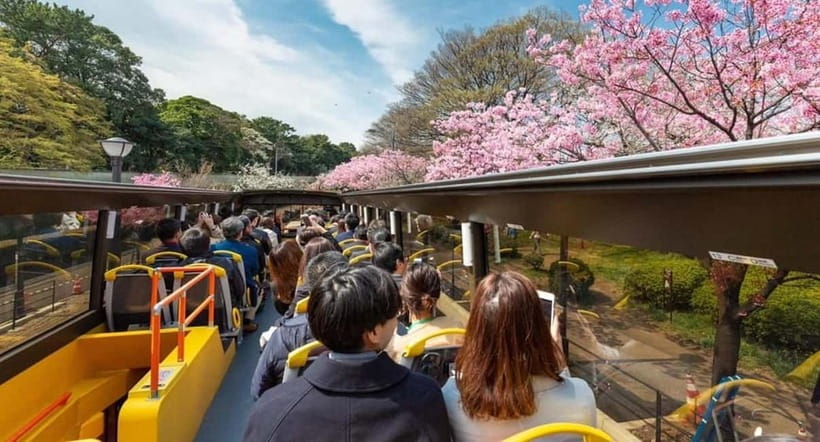
The upper deck changes the way you see Tokyo. You can look over roadside barriers, catch tall buildings before they disappear behind nearer structures, and see bridges and towers from a more natural angle.
It also exposes you to the city. On a hot day, the sun is direct. On a cool day, the moving air can make the ride feel colder than expected. Knee space is limited, so taller passengers may find the seating less comfortable over the full 70 minutes.
The bus does not allow smoking, food, umbrellas, or selfie sticks. These rules make sense on an open vehicle, where loose items can bother other passengers or become unsafe. Bring a hat only if you can keep it secure, and use sunscreen when the forecast calls for strong sun.
The tour operates in ordinary rain-or-shine conditions, but the roof may be closed when it rains. Extreme weather, such as a typhoon, can lead to cancellation. Schedules can also shift slightly because of traffic, weather, or other conditions.
The most important practical warning
Do not treat the departure time as a suggestion. The bus leaves promptly and cannot wait for late arrivals, even if you contact the operator before departure. Arriving at the wrong location also does not qualify for a refund.
This matters because Tokyo Station’s Yaesu side is busy, and the meeting point is not directly on the platform or beside an obvious tour bus sign. Follow the map before departure and allow time to find the building, check in, and walk to the bus.
The contact number may not respond outside business hours. Those hours are Monday through Saturday, 9:30 AM to 6 PM Japan time. If you have a question, solve it before the departure day whenever possible.
Who gets the most from this ride
I would recommend this tour to a first-time visitor who wants to get oriented without spending much. It is also useful for families or small groups who prefer sitting back to navigating several train lines during their first hours in Tokyo.
It suits you if you enjoy seeing many districts without needing to get off at each one. The automatic audio guide gives enough context to make the passing sights meaningful, and the short duration leaves most of your day free.
You may want a different experience if you want detailed guiding, frequent photo stops, or time inside temples, parks, museums, and shopping districts. This is a moving overview, not a hop-on hop-off service.
The tour also requires some flexibility. Weather, road traffic, and the quality of the audio setup affect how much you enjoy it. People sensitive to heat, cold, cramped legroom, or loud background sound should consider those points before booking.
Cancellation and booking flexibility
You can cancel up to 24 hours before departure for a full refund. The reserve-now-and-pay-later option allows you to hold a place without paying immediately, which is useful while you are still arranging your Tokyo schedule.
Check the available departure times before booking because the ride lasts 70 minutes and route choices may not operate at the same time. The two courses are different enough that choosing the right one matters more than simply picking the earliest departure.
Should you book the Tokyo open-top bus?
Book it if you want a cheap, easy first look at Tokyo, especially on a clear day. Choose the Bay Course for Rainbow Bridge, Odaiba, and waterfront views. Choose the City Course for the Imperial Palace area, Roppongi, Tokyo Tower, and Ginza.
I would not make this your only Tokyo sightseeing activity. Use it as an introduction, then return to the places that catch your eye. At $11, the price is forgiving, and the 70-minute format fits neatly into a busy day.
Arrive early, check the weather, bring suitable clothing, and do not count on the open roof in rain. With those limits in mind, this is a practical way to get your bearings fast without paying for a long guided excursion.
FAQ
How long does the Tokyo open-top bus tour last?
The tour lasts 70 minutes.
How much does the experience cost?
The listed price is $11 per person.
Where is the meeting point?
You meet at Tokyo VIP Lounge, on the second and third floors of a building with Family Mart on the ground floor. It is about a five-minute walk from Tokyo Station’s Yaesu North Exit.
How early should I arrive?
You should check in 20 to 40 minutes before the scheduled departure.
What happens if I arrive late?
The bus leaves on schedule and cannot wait. No refund is provided for late arrival or arriving at the wrong location.
Which routes can I choose?
You can choose the 70-minute Bay Course or the 70-minute City Course.
What does the Bay Course include?
The Bay Course passes Tokyo Station, Marunouchi, Zojoji Temple, Tokyo Tower, Rainbow Bridge, the Fuji TV Building, the Statue of Liberty, Odaiba Seaside Park, Shiodome, and Ginza.
What does the City Course include?
The City Course passes Tokyo Station, Marunouchi, Chidorigafuchi, the Akasaka State Guest House, Meiji Jingu Gaien, Tokyo Midtown, Roppongi, Tokyo Tower, Hibiya, and Ginza.
Is an audio guide provided in English?
Yes. The GPS audio guide is available in English, Japanese, Chinese, French, Korean, Vietnamese, and Thai.
Are headphones included?
No. Optional headphones cost 100 yen, and the headphone jack supports only 3.5 mm mini plugs.
Does the bus run in the rain?
The tour operates rain or shine except in extreme weather, such as typhoons. If it rains, the open roof may be closed.
Can I bring food or an umbrella?
No. Smoking, selfie sticks, food, and umbrellas are not allowed on the vehicle.
More Sightseeing Bus Tours in Tokyo
- Rome: City Sightseeing Hop-on Hop-off Bus with Audioguide
★ 4.0 · 16,045 reviews - Barcelona: City Sightseeing Hop-On Hop-Off Bus Tour
★ 4.4 · 10,061 reviews - City Sightseeing London Hop-On Hop-Off Bus & Bookable Extras
★ 4.4 · 7,374 reviews - Hamburg: Line A Sightseeing Hop-On Hop-Off Bus Tour
★ 4.6 · 6,958 reviews
More Open-Top Bus Tours in Tokyo
- Rome: Big Bus Hop-on, Hop-off Open-Top Sightseeing Tour
★ 4.1 · 9,537 reviews - Savannah Hop-On Hop-Off Trolley Tour
★ 4.5 · 6,527 reviews - Prague: Sightseeing Dinner Cruise on Open-Top Glass Boat
★ 4.4 · 6,314 reviews - New York: Hop-on Hop-off Sightseeing Tour by Open-top Bus
★ 4.2 · 5,863 reviews
Just added around Tokyo
- Tokyo: A Half-Day Trip Bus Tour in the Morning★ 4.6 · 236 reviews
- 3-Row Luxury Bus Tour to Mt. Fuji, Lake Kawaguchi from Tokyo★ 4.3 · 3 reviews
- Full Tokyo: Meiji Shrine, Imperial Palace, Asakusa & Skytree★ 4.4 · 7 reviews
- Tokyo: Mount Fuji Views and KABA Amphibious Bus Day Tour★ 5.0 · 4 reviews
- Tokyo: 1 Day Bus Tour with Meiji-Jingu,Odaiba,lunch&Skytree★ 4.6 · 156 reviews
- Tokyo: Morning Sightseeing Bus Tour★ 4.4 · 109 reviews
- Tokyo Thrilling Open Top Bus Expressway Adventure Tour★ 4.3 · 5 reviews
- Tokyo: Open Top Sightseeing Bus with Audio Guide★ 4.5 · 5 reviews
Tokyo Bus Tours, compared.
Mt Fuji and Hakone 1-Day Bus Tour Return by Bullet Train
Read our review →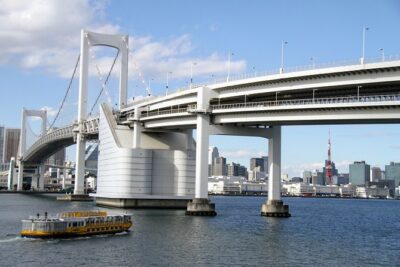
Meiji Shrine, Asakusa, Skytree Bus Tour and Cruise
Read our review →
Mt Fuji & Hakone Cruise, Drum Show Bus 1 Day from Tokyo
Read our review →
Mt Fuji and Hakone 1-Day Bus Tour Return by Bus
Read our review →
Mt.Fuji & Lake Kawaguchiko 1-Day Bus Tour w/Optional Lunch
Read our review →