
REVIEW · JAPAN
Departing from Takayama [Regular sightseeing bus] World Heritage Sites Shirakawago and Gokayama Ainokura
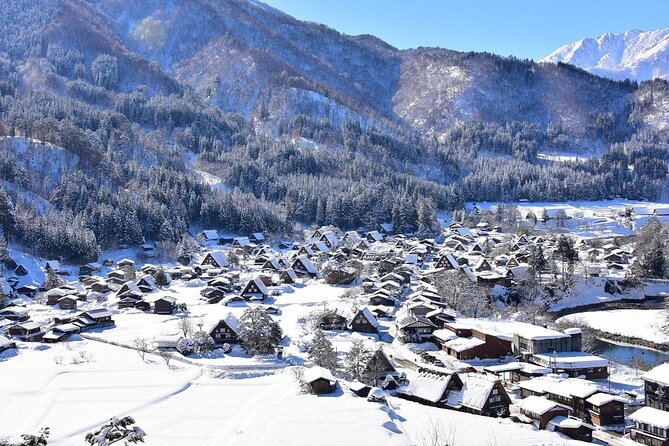
The best part of this day trip is the contrast between quiet Ainokura and busy Shirakawago. You see two traditional Gassho villages in one outing, without wrestling with rural bus schedules or winter roads. The steep thatched roofs look especially striking after fresh snow, but the scenery is worthwhile in every season.
I like the comfortable air-conditioned bus and the useful advice given before each stop. Guides such as Yamashia and Ikuichinami have been praised for explaining where to eat, which paths to take, and how to use your free time. I also like that the trip includes the Gassho-zukuri Minkaen open-air museum.
The main drawback is time at Shirakawago. Two hours for the village, plus 30 minutes for the museum and 20 minutes at the observatory, can feel tight if you want lunch, the viewpoint, and several historic houses. This is a transport-focused tour with guidance on the bus, not a walking tour led through every building.
Key points at a glance
![Departing from Takayama [Regular sightseeing bus] World Heritage Sites Shirakawago and Gokayama Ainokura - Key points at a glance](https://assets.busdaytrips.com/wp-content/uploads/departing-from-takayama-regular-sightseeing-bus-world-heritage-sites-shirakawago-and-gokayama-ainokura-1.jpg)
- Two very different Gassho villages: Ainokura feels small and quiet, while Shirakawago is larger, busier, and packed with places to eat and browse.
- A practical 7-hour-20-minute outing: The 8:30 a.m. departure returns to the same Takayama meeting point after a full day in the mountains.
- Useful bus commentary: The guide explains village layouts, history, local food, dialect, seasonal conditions, and suggested routes before you walk independently.
- Snow makes the villages magical: Winter scenery can look like a storybook, but you should also expect weather-related changes and slippery conditions.
- Lunch is your responsibility: Shirakawago provides the main meal break, but food is not included and restaurant lines can reduce sightseeing time.
- The price pays mainly for access and transport: At $64.80 per person, the tour is appealing if you value easy connections and organized timing more than a private guide.
Why these mountain villages are worth a day from Takayama
![Departing from Takayama [Regular sightseeing bus] World Heritage Sites Shirakawago and Gokayama Ainokura - Why these mountain villages are worth a day from Takayama](https://assets.busdaytrips.com/wp-content/uploads/departing-from-takayama-regular-sightseeing-bus-world-heritage-sites-shirakawago-and-gokayama-ainokura-2.jpg)
Ainokura and Shirakawago are famous for their Gassho-zukuri houses, whose sharply angled thatched roofs were built to shed heavy snow. The villages preserve an old rural style that feels very different from Takayama’s compact streets and merchant houses.
The appeal is not only the roofs. These settlements show how people adapted their homes, farming, and daily life to a remote, snowy part of central Japan. You can look at the large wooden houses, walk beside streams and fields, and see how closely the villages fit their mountain setting.
Getting there independently is possible, but it takes more planning than a typical short day trip. This route handles the long connections by bus and gives you a clear schedule. That matters most in winter, when mountain roads and limited departures can make a missed connection more troublesome.
The experience is best understood as a well-organized sightseeing transfer with guidance. The bus guide gives context and practical instructions, then you explore the villages on your own. If you want a private historian beside you at every building, this will feel too light. If you want to arrive easily and use your time freely, it is a good match.
More Sightseeing Bus Tours in Japan
- Tokyo: Open Top Panoramic Sightseeing Bus with Audio Guide
★ 3.8 · 254 reviews - Tokyo: Morning Sightseeing Bus Tour
★ 4.4 · 109 reviews - Tokyo: 60min Panoramic Open Top Bus Tour with Audio Guide
★ 4.0 · 40 reviews
Starting at Takayama Station and getting ready
The meeting point is at 6-chōme-125 Hanasatomachi, Takayama, with departure at 8:30 a.m. The tour returns to this same point. Give yourself extra time at the Nohi Bus station to exchange your voucher for the actual tickets. This step has caused confusion for some people, although the exchange itself is described as easy once you are in the right place.
The bus is air-conditioned and can be medium or large. The ride is important here, since the villages are separated from Takayama by a long mountain journey. You are not spending the morning changing buses or trying to interpret local transport information.
The guide speaks about the stops in both Japanese and English when needed. Commentary covers more than a basic list of sights. You can expect advice about village layouts, local dishes, seasonal food, Hida dialect, and the best way to spend the free time. The guide may also hand out a map and point out practical routes.
The group is shared with other people, although the booking information lists a maximum of four people on the application form. That wording refers to how many can be booked at one time, not necessarily the total number on the bus. You should expect a regular sightseeing service rather than a private vehicle.
Ainokura after 50 minutes
The first stop is Ainokura Gassho Community in Gokayama, in Toyama Prefecture. About 20 Gassho-zukuri houses remain here, giving the settlement a compact and traditional feel.
You have about 50 minutes. That is enough to walk from one end to the other, look at the houses, take photographs, and pause for the mountain views. It is not enough for a slow visit to every interior or a long café stop, so use the guide’s map and suggestions before leaving the bus.
Ainokura is the quieter half of the day. Its smaller scale lets you see the roof shapes and village layout without the same level of foot traffic found at Shirakawago. The setting feels closely tied to the surrounding mountains, and the houses appear more like part of a living settlement than a large sightseeing complex.
You should treat this as a short orientation stop rather than a full museum visit. The reward is atmosphere and proportion. You get a clear sense of what a Gassho village looks like before reaching the much larger Shirakawago.
In winter, allow extra care around the paths. Snow can transform the roofs and fields into a bright white scene, but it also affects walking speed and road conditions. The tour requires suitable weather, and a poor-weather cancellation may lead to another date or a full refund.
Shirakawago gives you two hours of choice
![Departing from Takayama [Regular sightseeing bus] World Heritage Sites Shirakawago and Gokayama Ainokura - Shirakawago gives you two hours of choice](https://assets.busdaytrips.com/wp-content/uploads/departing-from-takayama-regular-sightseeing-bus-world-heritage-sites-shirakawago-and-gokayama-ainokura-4.jpg)
The main stop is the Historic Villages of Shirakawa-go Gassho Style Houses. The Ogimachi area contains 114 thatched Gassho-zukuri houses and is the most famous part of the day.
You have two hours in the village itself. That sounds generous at first, but lunch can take a large part of it, especially if you choose a popular restaurant and face a queue. Plan your priorities before you leave the bus.
I would use the guide’s route advice to decide what matters most:
- Eat first if you have a specific restaurant in mind.
- Walk through the central village and inspect the traditional houses from outside.
- Save time for the museum or the observatory if those are high on your list.
- Leave a few minutes to return to the bus without rushing.
Shirakawago has more shops, restaurants, and sights than Ainokura. That gives you more choice, but it also makes the stop feel less peaceful. The village can be crowded, particularly around the main paths and food outlets. You will get a stronger sense of the region’s popularity here, while Ainokura provides the quieter counterpart.
Lunch is not included. You can buy food in Shirakawago, or bring your own meal and eat near the river, as some people do. Bringing food gives you more control over the schedule, but you may prefer to use the stop to try local dishes and browse the village shops.
The two-hour allotment works best if you accept that you will not see everything. You can have a good walk, eat, and visit one major extra sight. Trying to fit in every house, the museum, lunch, and the viewpoint may leave you hurried.
Same city, a different seat on the bus:
- Mt Fuji and Hakone 1-Day Bus Tour Return by Bullet Train
★ 5.0 · 26,383 reviews - 1-Day Tokyo Bus Tour
★ 5.0 · 14,250 reviews - PERFECT KYOTO 1-Day Bus Tour
★ 5.0 · 13,518 reviews - Peaceful Hiroshima & Miyajima UNESCO 1 Day Bus Tour
★ 5.0 · 5,309 reviews
Gassho-zukuri Minkaen, an included open-air museum
The tour includes entry to Shirakawago Gassho Zukuri Minkaen, an open-air museum visited during the Shirakawago portion. You have about 30 minutes here.
This is a useful addition because it lets you look more closely at preserved Gassho-style buildings in a dedicated setting. One hour is not available, so focus on the buildings and displays that interest you rather than trying to cover every corner.
Some people prefer spending more time in the open-air museum than wandering around the main village. That makes sense if you want architectural detail and a calmer setting. Others would rather use those 30 minutes for lunch, shops, or another walk through Ogimachi.
The museum is closed on Thursdays from December through March. If it is closed, the operator provides an original mascot instead. That replacement is not equivalent to the museum visit, so check the day and season if this attraction matters to your decision.
The Tenshukakau Observatory view
The final listed stop is Tenshukakau Observatory, on a hill northwest of Shirakawago. You have about 20 minutes to look down over the Gassho village.
This is the postcard view, with the steep roofs spread below and the mountains framing the settlement. It gives you the clearest sense of how the houses sit together in the valley. If you have seen photographs of Shirakawago with rows of roofs and fields below, this is likely the kind of viewpoint they resemble.
The short time here is enough for photographs and a quick look, but not for lingering. Because the observatory is on a hill, the walk and seasonal conditions can affect how much time you actually spend at the top.
The order of your choices matters. If lunch takes longer than expected, you may need to choose between the observatory and the museum. One person found that a restaurant queue used so much of the Shirakawago stop that the view deck had to be skipped. That is not a flaw in the village, but it is a real limit of a fixed schedule.
What the guide adds, and what the guide does not do
![Departing from Takayama [Regular sightseeing bus] World Heritage Sites Shirakawago and Gokayama Ainokura - What the guide adds, and what the guide does not do](https://assets.busdaytrips.com/wp-content/uploads/departing-from-takayama-regular-sightseeing-bus-world-heritage-sites-shirakawago-and-gokayama-ainokura-5.jpg)
The guide’s main job is to make the day easy to follow. Before arrival, you receive information about each village, directions, maps, timing, and suggestions for food and walking routes. The guide also shares seasonal notes and regional details that are less likely to appear in a basic map.
Guides named Yamashia and Ikuichinami have received particularly warm comments for being clear, friendly, and well organized. The praise focuses on practical explanation and good time management, not on leading a long walking lecture.
Once you arrive, you generally explore independently. The guide does not accompany you through every street or provide a full guided tour of each house. This arrangement suits you if you like to set your own pace. It may disappoint you if you expect constant narration at every stop.
The driver is also an important part of the day. Mountain roads can be demanding, and the service has been praised for careful driving and smooth coordination. You spend a good portion of the tour on the bus, so a comfortable ride matters more here than it would on a short city excursion.
Is $64.80 good value?
At $64.80 per person, the price is reasonable if you are comparing it with the effort of arranging transport to both villages yourself. You get the bus, the guide’s commentary, organized timing, and entry to the Minkaen museum. The day also removes the stress of finding the right connection back to Takayama.
The price does not include lunch. It also does not give you a private guide or unlimited time at each sight. Much of what you are paying for is dependable transport into a difficult-to-reach area and a clear plan.
There is a cheaper option in the region: one rating noted that the same Nohi Bus service could be purchased directly at the Nohi Bus Centre for about 8,000 yen. The comparison depends on dates, currency, availability, and booking convenience. Direct purchase may save money, while advance online booking can be useful if you want a place held before arrival.
Check the final charge carefully before payment. One booking issue involved a charge higher than the amount shown in an email confirmation. That was a platform billing concern rather than a problem with the bus operator, but it is worth checking the total and currency.
Timing, weather, and the small details that matter
The full experience lasts about 7 hours and 20 minutes, beginning at 8:30 a.m. and ending back at the Takayama meeting point. The schedule includes long driving stretches, but those are part of the value because the villages are not close to town.
You need to be punctual. The bus cannot hold the whole group for a late lunch or a long photograph stop. Keep the meeting time visible and allow enough time to walk back from the village center.
The tour requires good weather. If conditions force cancellation, you can receive a different date or a full refund. For ordinary cancellation, you can cancel up to 24 hours before the start for a full refund. Changes or cancellations inside that 24-hour window are not accepted for a refund.
Most people can take part, and the meeting point is near public transportation. The supplied information does not give detailed mobility guidance for every path, so ask the operator if you have specific walking needs, especially in snow.
Who should book this day trip?
I would choose this tour if you are staying in Takayama and want to see both major Gassho settlements without building a rural transport plan. It is also a good choice if you want a guide’s explanation on the bus but prefer to explore independently once you arrive.
It suits photographers, first-time visitors to the area, and anyone who wants to see snowy villages without driving. Families and couples may also appreciate the simple structure: board the bus, receive directions, walk around, and return at the stated time.
You may want another option if you dislike fixed schedules or need several hours at one site. Shirakawago alone can absorb a full day if you want multiple house interiors, a long meal, extensive shopping, and the viewpoint without choosing between them.
I would also think twice if your main goal is a detailed cultural tour. The bus guide provides valuable background, but this is not an all-day escorted walk with continuous interpretation.
Should you book it?
Book this Nohi Bus trip if easy access matters more to you than complete freedom. Ainokura provides calm and scale, while Shirakawago supplies the larger collection of houses, food, shops, and viewpoints. The comfortable bus and clear instructions make a hard-to-reach pair of villages manageable in one day.
Skip it if you already know the bus routes, want to stay late, or plan to study every museum and traditional house. For most people based in Takayama, though, $64.80 is a fair price for a carefully organized day, especially when fresh snow turns the villages into the scene many people hope to see.
FAQ
Where does the tour start and finish?
It starts at 6-chōme-125 Hanasatomachi, Takayama, Gifu 506-0026, Japan, at 8:30 a.m. The tour ends back at the same meeting point.
How long does the experience last?
The tour lasts approximately 7 hours and 20 minutes.
Which villages does the bus visit?
It visits Ainokura Gassho Community in Gokayama and the historic Gassho-style village of Shirakawago.
Is lunch included?
No. Lunch is not included. You have time to eat in Shirakawago, but you must pay for your own meal.
Is admission to the open-air museum included?
Yes. Admission to Shirakawago Gassho Zukuri Minkaen is included when it is open.
What happens if the Minkaen museum is closed?
The museum is closed on Thursdays from December through March. If it is closed, the operator provides an original mascot.
Is the tour guided throughout the villages?
The bus guide gives information, maps, recommendations, and directions, but you generally explore the villages independently after getting off the bus.
Can I cancel for a full refund?
Yes, if you cancel at least 24 hours before the experience starts. Cancellations or changes made less than 24 hours before the start are not refunded, while a poor-weather cancellation offers a different date or a full refund.
More History Tours in Japan
- From Kyoto: Nara History Guided Half Day Bus Tour with Lunch
★ 4.8 · 114 reviews - Prague: Historic City Center Bus Tour with Top Sights
★ 4.4 · 2,360 reviews - 2-Hour Gettysburg Battlefield Guided History Bus Tour with a National Park Guide
★ 4.5 · 2,201 reviews - Prague: Hop-on Hop-Off Historical Tram Ticket for Line 42
★ 4.1 · 1,702 reviews
Just added around Japan
- Fukuoka Open Top Bus and Hakata Doll Painting Experience with Guide★ 3.5 · 3 reviews
- Huis Ten Bosch Full Day Bus Tour From Hakata★ 3.5 · 3 reviews
- Tokyo: A Half-Day Trip Bus Tour in the Morning★ 4.6 · 236 reviews
- 3-Row Luxury Bus Tour to Mt. Fuji, Lake Kawaguchi from Tokyo★ 4.3 · 3 reviews
- Full Tokyo: Meiji Shrine, Imperial Palace, Asakusa & Skytree★ 4.4 · 7 reviews
- Tokyo: Mount Fuji Views and KABA Amphibious Bus Day Tour★ 5.0 · 4 reviews
- Tokyo: 1 Day Bus Tour with Meiji-Jingu,Odaiba,lunch&Skytree★ 4.6 · 156 reviews
- Shirakawago and Takayama 1 Day Bus Tour from Nagoya★ 4.5 · 2 reviews
Japan Bus Tours, compared.

Mt Fuji and Hakone 1-Day Bus Tour Return by Bullet Train
Read our review →
Peaceful Hiroshima & Miyajima UNESCO 1 Day Bus Tour
Read our review →
Fushimi Inari, Kinkakuji, Bamboo Grove 1 Day Bus Tour
Read our review →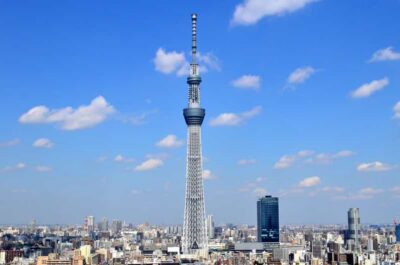
Meiji Shrine, Asakusa, Skytree Bus Tour and Cruise
Read our review →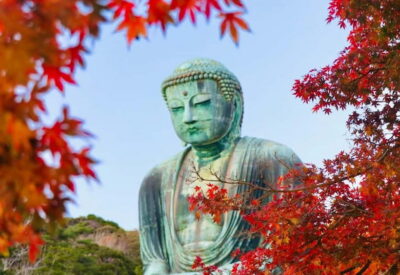
Kamakura & Enoshima Day Trip including Temple Tickets
Read our review →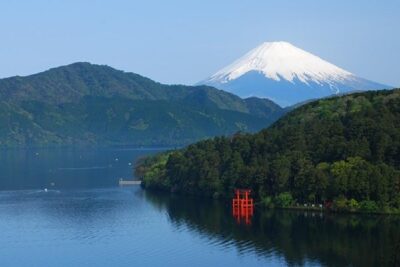
Mt Fuji & Hakone Cruise, Drum Show Bus 1 Day from Tokyo
Read our review →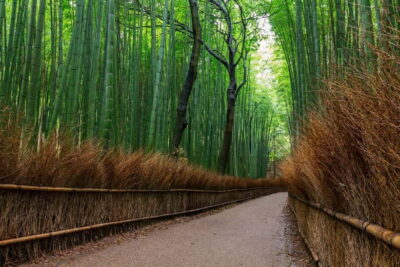
Kyoto/Osaka: Nara, Fushimi Inari Taisha, Arashiyama Bus Tour
Read our review →Browse the lists this tour appears in