
REVIEW · TOKYO
Tokyo Thrilling Open Top Bus Expressway Adventure Tour
Tokyo’s Shuto Expressway is not a sightseeing road in the usual sense. It is a fast, twisting web of elevated highways, tunnels, bridges, and tight city corridors. On this 60-minute open-top bus ride, you sit nearly four meters above the road with the sky overhead and the wind in your face. The effect is closer to a moving rooftop than a normal bus tour.
I like two things here: the surprise route, chosen by the driver on the day, and the unusual view of Tokyo from a high, exposed seat. The upbeat onboard music adds to the playful mood. The main drawback is simple: wind, rain, slippery steps, and low clearances can make the ride uncomfortable, especially if you are tall or dislike rough, fast-feeling motion.
Key points to know before you book
- The route is a mystery: You are not promised a fixed course, so Tokyo Tower and Rainbow Bridge are scenic pass-by points rather than guaranteed close-up stops.
- The bus feels much faster than a car: The four-meter-high open-air position magnifies wind and inertia on the expressway.
- The ride lasts one hour: This is a compact thrill ride, not a full Tokyo sightseeing tour.
- The roof may stay open in rain: Bring suitable clothing, and expect water droplets, tree sap, or wet steps in poor weather.
- Music is part of the experience: An upgraded sound system plays upbeat tracks during the drive.
- The price is modest: At $18 per person, the tour offers a short, unusual Tokyo experience at a low cost, though it does not include food, drinks, or hotel transport.
Why this Tokyo bus ride feels different
A standard city bus gives you windows, a seat belt-like sense of shelter, and time to study the streets. This ride removes much of that comfort. The bus sits 3.79 meters high, and the open roof leaves only air above you. That height gives you a broad view, but it also makes the wind feel stronger.
The expressway adds the drama. You are not simply rolling past Tokyo at a slow sightseeing pace. The bus uses the Metropolitan Expressway, also called the Shuto Expressway or Shutoko, a huge network stretching 337.8 kilometers through Tokyo and nearby areas. The route can include fast lanes, curves, tunnels, bridges, and tight clearances.
The advertised sensation is that the speed feels roughly 1.5 to 2 times faster than it would inside a regular car. That does not mean the bus is breaking ordinary road rules. It means the height, wind, open roof, and road movement change how your body reads the ride.
I see this as a short amusement ride with Tokyo scenery, rather than a conventional sightseeing tour with detailed commentary. If you want facts about every building, this is not the best match. If you want to feel the city’s scale and motion in an unusual way, the format makes good sense.
More Open-Top Bus Tours in Japan
- Tokyo: Open Top Panoramic Sightseeing Bus with Audio Guide
★ 3.8 · 254 reviews - Tokyo: 60min Panoramic Open Top Bus Tour with Audio Guide
★ 4.0 · 40 reviews - Tokyo: Open Top Sightseeing Bus with Audio Guide
★ 4.5 · 5 reviews
Starting at Tokyo VIP Lounge
You meet at Tokyo VIP Lounge, on the second and third floors of the building above a Family Mart near Gindako. The listed meeting point is on the third floor, and you can use the stairs or elevator to reach it. The coordinates are 35.681763, 139.7713517.
Give yourself enough time to find the building. Once inside, check in with the staff and wait with the group. The group moves to the bus about 10 to 5 minutes before departure, so do not treat the lounge as a place to arrive at the last second.
This meeting point is practical because it gives you an indoor place to gather before the ride. Still, you should keep your attention on staff instructions. The move from the lounge to the bus happens shortly before departure, and missing that transition would be an avoidable problem.
The tour is provided by VIP Japan Tour. No individual guide names are supplied, but a tour companion and the operating team are part of the experience. One important detail from the available feedback is that the friendly tour companion and team helped make the evening memorable for one German passenger. That fits the nature of this ride: the staff matter less as lecturers and more as people who keep the group moving and the experience lively.
Tokyo Tower from an open roof
Tokyo Tower is one of the planned scenic points along the drive. You pass by it rather than stop for a visit, so you should think of this as a moving view, not a tower admission ticket or photo session.
The open roof changes the way a familiar landmark feels. From a normal street-level bus, Tokyo Tower may appear between buildings or through glass. From a high open vehicle, you may have a clearer upward view, along with the odd sensation of watching one of Tokyo’s best-known structures while the expressway carries you onward.
Do not build your whole booking decision around this one sight. The route can change because of traffic, accidents, or operating conditions, and the tour does not guarantee travel to particular landmarks. Tokyo Tower is part of the intended sightseeing pattern, but the ride gives priority to the expressway experience.
That uncertainty is also part of the fun. You do not receive the route in advance. The driver decides the course on the day, so one outing may follow a familiar path while another takes a different turn through the Shuto network.
Rainbow Bridge and Tokyo after dark
Rainbow Bridge is another scenic pass-by point. The bridge brings a different kind of view from Tokyo Tower. Instead of focusing on a single tower, you get open distance, roadway lights, and the city spread around the bay area.
The timing makes a difference. This tour is promoted as a way to see Tokyo’s night views, and darkness should make the lights, traffic, and elevated roads feel more dramatic. The open seating also keeps you connected to the sound and temperature of the city. You will not experience Tokyo at night as a silent picture behind glass.
There is a trade-off. Night views are harder to photograph from a moving bus, particularly when the wind is strong. If you want carefully framed bridge photos, a stationary viewpoint is more reliable. If you prefer the feeling of being carried through the lights, the moving perspective is the point.
Again, Rainbow Bridge is a pass-by sight, not a scheduled stop. You should enjoy it when the route reaches it, but you should not expect time to get off, walk around, or linger.
More Open-Top Bus Tours in Tokyo:
- Rome: Big Bus Hop-on, Hop-off Open-Top Sightseeing Tour
★ 4.1 · 9,537 reviews - Savannah Hop-On Hop-Off Trolley Tour
★ 4.5 · 6,527 reviews - Prague: Sightseeing Dinner Cruise on Open-Top Glass Boat
★ 4.4 · 6,314 reviews - New York: Hop-on Hop-off Sightseeing Tour by Open-top Bus
★ 4.2 · 5,863 reviews
The mystery route is part of the attraction
Many bus tours show you a fixed list of sights in a fixed order. This one does not. The driver selects the course on the day, and the route may change without notice because of road conditions.
That format has a clear benefit. You can focus on the ride instead of checking a timetable or waiting for a specific photo stop. It also keeps the experience fresh if you take it more than once, although the tour information does not promise different routes on repeat visits.
The drawback is just as clear. You cannot use this one-hour trip to guarantee a visit to a certain district or landmark. Traffic, accidents, and other expressway conditions can change the route. If your priority is Tokyo Tower, Rainbow Bridge, or another exact destination, choose a standard sightseeing option with a fixed plan instead.
I like the honesty of the mystery format when you understand what you are buying. You are paying for motion, height, wind, music, and city views. You are not paying for a precise checklist of stops.
Music, speed, and the physical side of the ride
The upgraded sound system plays upbeat music during the trip. That choice pushes the experience toward a musical roller coaster rather than a quiet observation tour. The music may help the bus feel energetic, especially when the road bends or the vehicle enters a tighter section.
The ride can also be physically demanding. One Japanese passenger found it fun but said the wind was strong and difficult. Take that warning seriously. Wind is not a minor detail here. At the top of an open bus moving along an expressway, it can dominate the hour.
You should dress for exposure rather than for an indoor bus. The supplied information does not set out a clothing list, but practical layers and secure personal items make sense. Keep hats, loose papers, and anything light under control. That is advice based on the open-air design and strong wind, not a promise about a particular vehicle setup.
Pay attention near tunnels, trees, and low structures. The bus can pass under tight clearances and near obstacles, and the safety guidance specifically warns you to watch your head. Tall riders need extra care. Sit alert and follow staff directions instead of standing or turning the ride into your own stunt show.
Rain does not always close the roof
The roof is generally opened even when it rains. That is a major point to understand before booking. A light shower may not cancel the ride, but it can still affect your comfort from the first minute to the last.
Rain can leave the boarding stairs slippery. Water droplets or tree sap may fall onto the bus when it passes through trees or tunnels. Strong wind, rain, snow, thunderstorms, or other dangerous conditions can lead the operator to suspend or cancel the ride, especially when the Meteorological Agency issues a warning in Tokyo’s 23 wards.
In other words, poor weather does not automatically mean cancellation, and cancellation is not something the operator can always predict far in advance. Check the forecast and wear shoes that give you secure footing. Take extra care on the stairs when getting on and off.
You can cancel for a full refund up to 24 hours before departure, and the reserve-now, pay-later option keeps you from paying at the time of booking. Those policies help if the forecast looks uncertain, but they do not remove the need to prepare for an open-air ride.
What the $18 price really buys you
At $18 per person, this is inexpensive for a one-hour Tokyo activity. The value comes from the unusual format: a high open-top bus, expressway speed, night scenery, music, and a route you do not know in advance.
The price does not cover hotel pickup or drop-off, food, or drinks. You also do not get a long stop at Tokyo Tower or Rainbow Bridge. So compare it with the right alternatives. It is good value if you want a quick, memorable add-on near central Tokyo. It is weaker value if you expect a full guided city tour or a relaxed evening with several stops.
The short duration helps with planning. You can fit the ride around dinner or another activity, and one hour is long enough to feel the concept without committing half a day. On the other hand, the time passes quickly. If you want extensive sightseeing, the tour will feel more like a sampler than a main event.
The rating is 4.3 from five recorded ratings, with one full five-star assessment and one four-star assessment. The strongest praise centers on seeing Tokyo from a completely different side and feeling the scale of the world’s largest metropolitan area while speeding along its main roads. That is the right measure of success here.
Who should book this experience
I would recommend it to you if you enjoy unusual transport, fast-feeling rides, Tokyo at night, and experiences that do not follow a standard sightseeing script. It also suits a younger audience and anyone who wants a compact activity for $18 rather than a long, formal tour.
It may work well as a first-night activity because you get a broad sense of Tokyo’s size without spending hours indoors. The music and changing route keep the mood light. You can also treat it as a novelty ride for a group, especially if everyone accepts that the wind and weather are part of the deal.
I would be cautious if you dislike strong wind, have trouble with slippery steps, or want quiet time for photography. Pregnant women and children under 110 centimeters, about 3 feet 6 inches, should not take the tour. Alcohol and drugs are not allowed.
The activity is not suitable for anyone who needs a guaranteed landmark route. Traffic and safety conditions can change the drive without notice, and there is no hotel transfer or food service to soften the logistics.
Should you book the Shuto Expressway ride?
Book it if you want a fast, affordable, slightly wild view of Tokyo and you are happy to let the driver choose the road. The open roof, high seating, night lights, music, and expressway curves give you something a regular bus cannot provide.
Skip it if your goal is a calm city tour, detailed landmark commentary, or guaranteed time at Tokyo Tower and Rainbow Bridge. For everyone else, $18 is a fair price for a one-hour experiment in seeing Tokyo from above the traffic, with the sensible warning that the wind may be as memorable as the view.
FAQ
Where does the Tokyo open-top bus tour start?
The tour starts at Tokyo VIP Lounge, on the third floor above a Family Mart near Gindako. You can reach the lounge by stairs or elevator.
How long does the tour last?
The experience lasts 60 minutes, or one hour.
Which landmarks are included?
The bus passes by Tokyo Tower and Rainbow Bridge for scenic views. The exact route can change, so travel to specific landmarks is not guaranteed.
Is the route fixed in advance?
No. The driver chooses the route on the day, and it can also change because of accidents, heavy traffic, or other expressway conditions.
Does the bus operate when it rains?
In principle, the roof remains open even when it rains. The operator may suspend or cancel the ride during dangerous wind, rain, snow, thunderstorms, or other adverse conditions.
Is food or drink included?
No. The tour does not provide food or drinks, and hotel pickup and drop-off are not included.
Who should not take this tour?
Pregnant women and people under 110 centimeters, or 3 feet 6 inches, are not suitable for the activity. Alcohol and drugs are also prohibited.
Just added around Tokyo
- Tokyo: A Half-Day Trip Bus Tour in the Morning★ 4.6 · 236 reviews
- 3-Row Luxury Bus Tour to Mt. Fuji, Lake Kawaguchi from Tokyo★ 4.3 · 3 reviews
- Tokyo: 1 Day Bus Tour with Meiji-Jingu,Odaiba,lunch&Skytree★ 4.6 · 156 reviews
- Full Tokyo: Meiji Shrine, Imperial Palace, Asakusa & Skytree★ 4.4 · 7 reviews
- Tokyo: Mount Fuji Views and KABA Amphibious Bus Day Tour★ 5.0 · 4 reviews
- Tokyo: Morning Sightseeing Bus Tour★ 4.4 · 109 reviews
- Tokyo: Open Top Sightseeing Bus with Audio Guide★ 4.5 · 5 reviews
- Tokyo: 60min Panoramic Open Top Bus Tour with Audio Guide★ 4.0 · 40 reviews
Tokyo Bus Tours, compared.
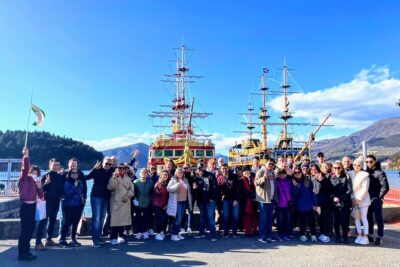
Mt Fuji and Hakone 1-Day Bus Tour Return by Bullet Train
Read our review →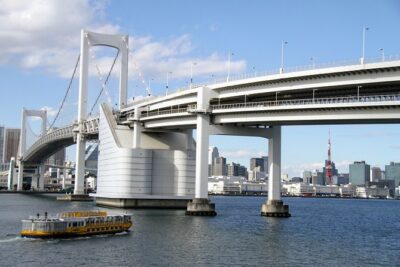
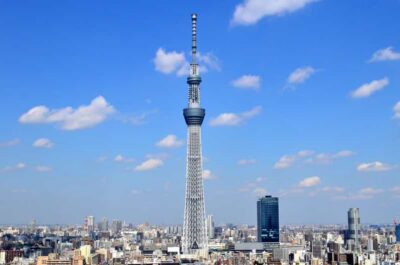
Meiji Shrine, Asakusa, Skytree Bus Tour and Cruise
Read our review →
Mt Fuji & Hakone Cruise, Drum Show Bus 1 Day from Tokyo
Read our review →
Mt Fuji and Hakone 1-Day Bus Tour Return by Bus
Read our review →
Mt.Fuji & Lake Kawaguchiko 1-Day Bus Tour w/Optional Lunch
Read our review →
Open Top Panoramic Sightseeing Bus with Audio Guide
Read our review →
Browse the lists this tour appears in