
REVIEW · PERU
Turist Bus Colca Canyon (Chivay) To Puno
The road from Chivay to Puno is more than a transfer. It crosses the high Andes, where volcanoes, grazing alpacas, wild vicuñas, stone offerings, and small blue lakes turn a long bus ride into a useful sightseeing day. This is a practical choice if you want to connect two major destinations without losing the scenery.
I like the four sightseeing stops, especially Abra Patapampa and Lagunillas. I also like the air-conditioned bus, bilingual guide, onboard toilet, phone chargers, and possible drop-off at hotels in Puno’s historic center. The main caution is that the ride can stretch beyond the planned six and a half hours, and Wi-Fi, water, and snacks may not always be available as expected.
Key points to know before booking
- Abra Patapampa reaches about 4,900 meters: You get wide views of several volcanoes, the Chila range, and the source area of the Amazon River.
- Tocrapampa is the wildlife stop: Look for llamas and alpacas, with a chance of seeing wild vicuñas.
- Patahuasi combines a break with highland culture: Buy hot herbal drinks, use the facilities, and browse local crafts.
- Lagunillas is the best photo stop: Small lakes reflect the sky, and Andean flamingos may appear depending on the season.
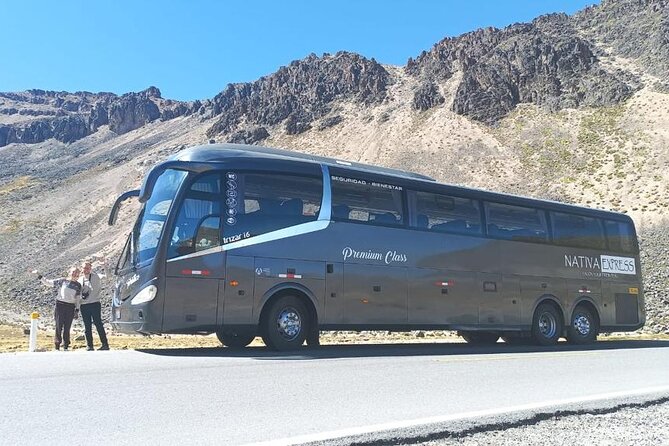
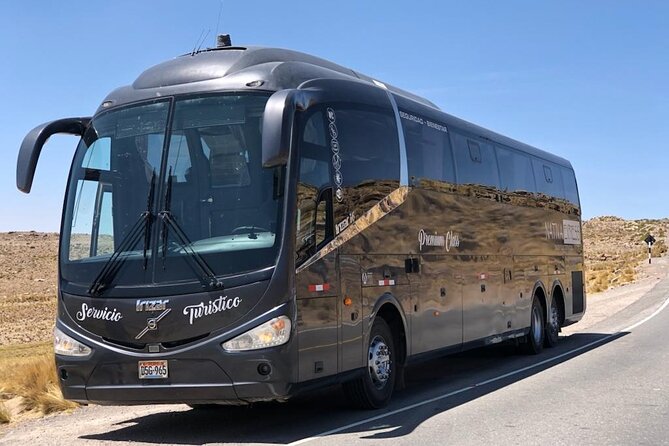
- The bus carries up to 40 people: It offers comfort and convenience, but this is a group transfer rather than a quiet private tour.
- Puno arrival is planned for 7:00 to 7:30 p.m.: Construction or road delays can make the day longer.
A sightseeing transfer across the high Andes
This service leaves Chivay at about 1:15 p.m., with boarding at the operator’s office beside the church on Chivay’s main square. You should arrive between 12:30 and 1:10 p.m. for check-in and boarding.
The timing works well for people finishing a morning in Chivay or the Colca Canyon area. You do not need to arrange a separate bus and then find your way around Puno after dark. Instead, the ride includes guided stops along the route, turning a necessary journey into a half-day excursion.
The road climbs into Peru’s high plateau. You will spend much of the trip at high altitude, with open views and very few urban distractions. The guide provides commentary in Spanish and English, so you can learn what you are seeing instead of simply watching the scenery pass through a bus window.
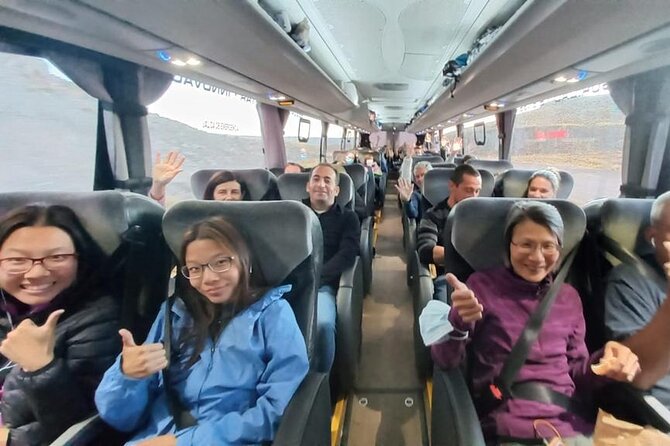
The group can reach 40 people. That is a reasonable size for a coach transfer, but you should not expect the personal attention of a private guide. Stops are timed, and the bus needs to keep moving to reach Puno in the evening.
A few more bus tours around Peru worth a look
- Cusco: Sightseeing Tour of the City on an Open-Top Bus
★ 4.0 · 481 reviews - Open Bus Cusco City Tour
★ 4.5 · 219 reviews - From Cusco: Titicaca Lake – Full day tour with sleeper bus
★ 3.9 · 72 reviews
Abra Patapampa and the Mirador de los Andes
The first major stop is Abra Patapampa, known as the Mirador de los Andes. You have about eight minutes here, so move quickly if you want both photographs and a good look at the view.
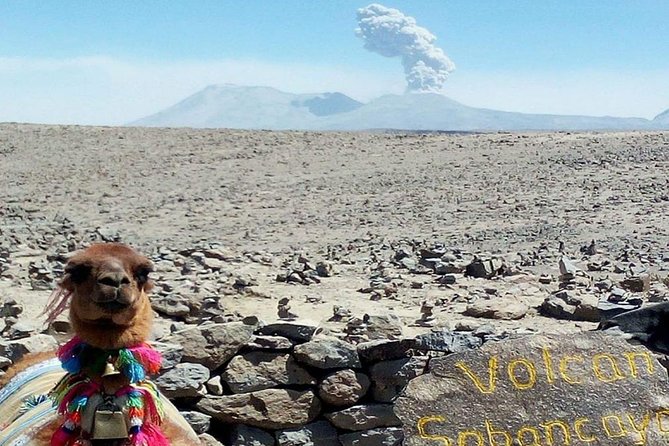
Several major volcanoes can be seen from this high pass, including Ampato, Sabancaya, Hualca Hualca, and Mismi. The Chila mountain range is also visible. Mismi is especially interesting because the area is associated with the source of the Amazon River.
You may also see apachetas, small stone towers built by Andean travelers as offerings to local gods. They are easy to miss if you focus only on the volcanoes, so listen carefully to the guide and scan the open ground near the viewpoint.
The short stop is both its strength and its limitation. It gives you a welcome chance to stretch and take in the altitude, but eight minutes is not enough for a long walk or careful photography. Bring your phone or camera ready before you leave the bus.
At this elevation, cold, wind, and thin air can affect you quickly. Keep a jacket close, drink water, and avoid rushing around the viewpoint. Even if you normally handle high places well, this is not the time for a sprint to the far edge of the lookout.
Tocrapampa and the search for Andean camelids
The bus then makes a technical stop at Tocrapampa. The main reason to pause here is the chance to see South American camelids grazing in their natural highland surroundings.
Llamas and alpacas are the most likely animals. With luck, you may spot vicuñas, smaller wild relatives prized for their exceptionally fine and expensive fiber. Vicuñas are not guaranteed, so treat this as a wildlife opportunity rather than a scheduled animal encounter.
This is a good place to understand the difference between the animals you see. Llamas are domesticated pack animals. Alpacas are raised for fiber. Vicuñas live in the wild and are valued for their very fine coat. The open setting gives the guide a chance to explain that connection between wildlife, local livelihoods, and Andean textiles.
Because this is described as a technical stop, the timing may be brief. Keep your camera accessible and pay attention to instructions. A zoom lens or phone camera with a clear zoom can help, since animals may be some distance from the road.
Patahuasi in the Aguada Blanca Reserve
Patahuasi, also called Pampa Cañahuas, is a more substantial stop of about 15 minutes. It lies in the National Reserve of Aguada Blanca, behind Chachani Volcano, and offers another chance to see vicuñas, llamas, and alpacas.
This stop is useful because it combines scenery, a bathroom break, refreshments, and shopping. You can buy hot drinks made with highland herbs such as chachacoma and muña. You can also browse handicrafts and souvenirs.
The warm herbal drinks are a fitting choice in this cold, high-altitude region. Muña is commonly associated with the Andes, and the hot cup gives you a simple way to warm up before returning to the coach. The stop is not long, so you may need to choose between shopping, refreshments, and photographs.
Patahuasi is also one of the more practical breaks on the route. The facilities are available here, and using them is sensible even if you do not feel an immediate need. The ride continues for several hours, and the onboard toilet may depend on the type of bus assigned that day.
The reserve setting adds value to the stop. You are not looking at animals in a fenced attraction. You are seeing highland species in the broad open country where they graze. As always with wildlife, sightings vary.
Same city, a different seat on the bus:
- Cusco: Open-Top Bus City Tour
★ 4.4 · 64 reviews - Lima : City Tour by Panoramic Bus – Walking & Catacombs
★ 4.3 · 41 reviews - From Cusco: Lake Titicaca, Uros and Amantani by sleeper bus
★ 3.7 · 24 reviews - Lima : City tour 360° Panoramic bus – Sightseeing Tour
★ 4.0 · 15 reviews
Lagunillas and the best photo opportunity
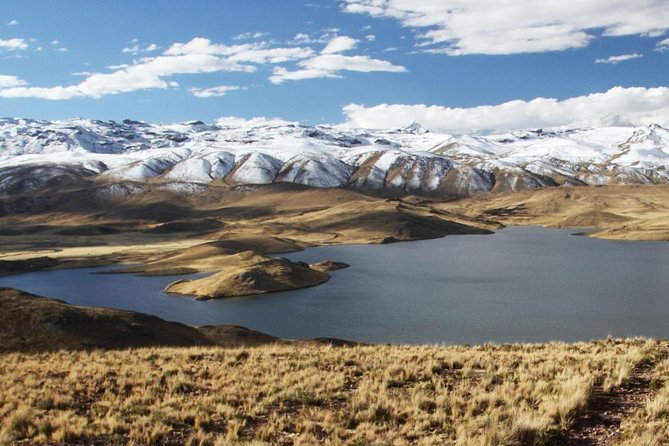
The final scenic stop is Lagunillas, where small lakes reflect the sky like scattered mirrors. You have about 15 minutes to take photographs and enjoy the view.
Depending on the season, Andean flamingos and other birds may be visible. The birds are not guaranteed, but the lakes make a worthwhile stop even without them. Their reflective surfaces provide a sharp contrast to the dry, open high plateau around them.
This is likely the most rewarding stop for photographers because the view is broad and uncomplicated. If the weather is clear, try different angles rather than taking one quick picture from the bus side. The lakes, mountains, sky, and birds, if present, can produce very different images as the light changes.
The stop is still short. You will not have time for a long walk along the water or serious birdwatching. Bring binoculars if you already own them, but do not book this transfer expecting a dedicated wildlife outing.
What the bus provides during six and a half hours
The vehicle is described as air-conditioned, with heating or cooling as needed. That matters on an Andean route, where temperatures can change sharply between sunny viewpoints and windy passes.
You also get an individual reading light and charging points for phones, tablets, and laptops. These small features make the ride easier, especially after a morning of sightseeing. The onboard toilet is listed as a chemical toilet, although its availability depends on the bus type.
Wi-Fi is included in the advertised service, as are water and snacks in the tour information. However, one passenger reported that the Wi-Fi, bottled water, and snacks were not offered during the ride. That is a serious issue if you plan to work, rely on internet access, or assume you can avoid buying drinks along the way.
I would carry your own water and a few snacks regardless. Patahuasi offers drinks and refreshments, but you should not depend on a roadside stop to meet all your needs. Treat Wi-Fi as a useful possibility rather than a guaranteed office connection.
The bus may be comfortable, but comfort does not shorten the road. One ride took about seven and a half hours because of construction traffic. The delay was not attributed to the operator, but it shows why you should avoid scheduling a tight evening connection in Puno.
Arrival in Puno and hotel drop-off
Arrival in Puno is planned for approximately 7:00 to 7:30 p.m. The service ends in Puno, and if your hotel is in the historic center, the bus may be able to take you directly to your accommodation.
That possible hotel drop-off is particularly helpful after a long day. Puno’s streets can be confusing with luggage, and arriving near your hotel saves time and effort. The wording matters, though: it is possible for central historic district hotels, not a promise of door-to-door service for every address.
If your accommodation is outside the historic center, confirm where the bus will leave you before booking. You may need to arrange a short taxi ride. Also keep your arrival evening flexible because traffic, road construction, weather, or other delays can push the schedule later.
The assistance of the bilingual guide can be useful at this stage. A German-speaking passenger specifically valued the guide’s willingness to help people sort out accommodation and onward connections. That suggests the staff may provide practical help beyond basic commentary, although you should still have your hotel details and transport plans ready.
Is the $41.03 price good value?
At $41.03 per person, this is a fair price for a long-distance connection that includes four scenic stops, a guide, and the convenience of organized transport between Chivay and Puno.
The value is strongest if you already need to make this journey. A standard transfer would get you from one city to the other, but this service adds mountain viewpoints, wildlife stops, a reserve visit, and Lagunillas without requiring separate transport. You also avoid spending an extra day arranging those sights independently.
The price is less attractive if you want a slow, specialized tour. The stops are short, the group can contain up to 40 people, and the main purpose remains transportation. You are paying for efficiency and access, not a private photo tour or extended time at each viewpoint.
The service has a high overall rating of 4.8 from 83 ratings, with 95 percent of customers recommending it. The positive pattern centers on the guide’s care and the comfortable transfer. At the same time, the reported failure to provide advertised water, snacks, and Wi-Fi is worth taking seriously.
I would consider the fare good value if you pack your own supplies and accept that the schedule may shift. If reliable Wi-Fi is essential, ask the operator to confirm its operation before you commit.
Who should book this Chivay to Puno transfer?
I would recommend it to you if you want to connect the Colca Canyon area and Puno in one day while still seeing important highland sights. It suits people who prefer an organized route, want some English-language explanation, and do not want to arrange several independent stops.
It is also a good match for visitors carrying luggage who appreciate a possible central Puno hotel drop-off. The air conditioning, reading lights, charging points, and onboard toilet make the long ride easier than a basic public bus.
You may want another option if you need a guaranteed departure and arrival time. Construction caused one journey to last around seven and a half hours, so do not book a late train, flight, or fixed evening appointment based on the planned arrival alone.
You should also think twice if you need dependable internet for work. The service includes Wi-Fi on paper, but one passenger found that it was not offered. Pack offline entertainment and plan to be disconnected.
The cancellation terms are forgiving. You can cancel for a full refund up to 24 hours before departure, while changes or cancellations inside that window are not accepted. The experience requires suitable weather, and poor conditions can lead to a new date or a full refund.
Final recommendation for this Andean route
Book this transfer if you see the journey between Chivay and Puno as part of your sightseeing rather than dead time. The volcano views at Abra Patapampa, camelids at Tocrapampa, hot drinks at Patahuasi, and reflective lakes at Lagunillas give the ride real purpose.
Just prepare for the weak points. Bring water and snacks, download anything you need before boarding, wear layers, and leave room in your evening schedule. With those precautions, $41.03 buys a useful mix of transportation, scenery, and guided stops across one of Peru’s most striking high-altitude routes.
FAQ
Where does the Chivay to Puno bus depart?
It departs from the operator’s office beside the church on the main square in Chivay.
What time should I arrive in Chivay?
The boarding window is from 12:30 to 1:10 p.m., with departure planned for about 1:15 p.m.
How long does the journey take?
The planned duration is approximately six hours and 30 minutes. Road construction or traffic can make the journey longer.
What time does the bus arrive in Puno?
The planned arrival is between approximately 7:00 and 7:30 p.m.
How many sightseeing stops are included?
Four stops are included during the journey: Abra Patapampa, Tocrapampa, Patahuasi, and Lagunillas.
Is a guide included?
Yes. A professional bilingual guide provides service in Spanish and English.
Is Wi-Fi available on the bus?
Wi-Fi is included in the service details, but one passenger reported that it was not available during the ride. Do not depend on it for essential work.
Are water and snacks provided?
Water and snacks are described as included, but one passenger reported that they were not offered. Carry your own supplies as a precaution.
Can the bus drop me at my hotel in Puno?
If your hotel is in Puno’s historic center, the service may be able to take you to your hotel. The information does not promise hotel drop-off for every address.
What is the cancellation policy?
You can cancel up to 24 hours before departure for a full refund. Cancellations or changes made less than 24 hours before the start time are not accepted.
Just added around Peru
- Machu Picchu Entry Ticket and Bus from Aguas Calientes★ 3.8 · 8 reviews
- Machu Picchu 2 Days / 1 Night (By Bus)★ 3.7 · 4 reviews
- LIMA WALKING TOUR CATACOMBS FROM MIRAFLORES, HISTORICAL CENTER, WINES+BUS★ 4.8 · 8 reviews
- Lima: City Sightseeing Panoramic Bus Tour★ 3.3 · 3 reviews
- Lima : City tour 360° Panoramic bus – Sightseeing Tour★ 4.0 · 15 reviews
- Lima : City Tour by Panoramic Bus – Walking & Catacombs★ 4.3 · 41 reviews
- From Lima : 360° Panoramic Bus★ 4.0 · 3 reviews
- From Cusco: Full-Day Touristic Bus to Puno with Guided Tours★ 5.0 · 3 reviews
Peru Bus Tours, compared.
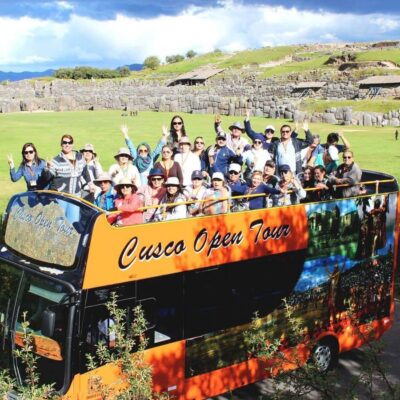
Cusco: Sightseeing Tour of the City on an Open-Top Bus
Read our review →

From Cusco: Titicaca Lake – Full day tour with sleeper bus
Read our review →
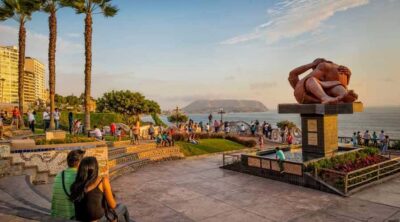
Lima : City Tour by Panoramic Bus – Walking & Catacombs
Read our review →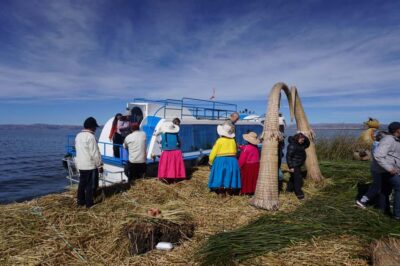
From Cusco: Lake Titicaca, Uros and Amantani by sleeper bus
Read our review →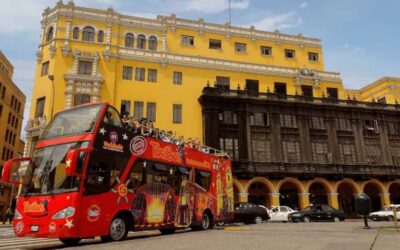
Lima : City tour 360° Panoramic bus – Sightseeing Tour
Read our review →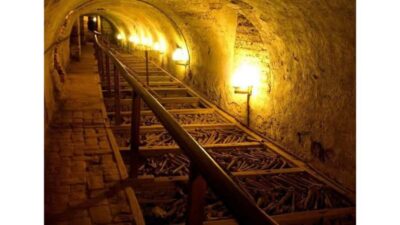
LIMA WALKING TOUR CATACOMBS FROM MIRAFLORES, HISTORICAL CENTER, WINES+BUS
Read our review →Browse the lists this tour appears in