
REVIEW · CUSCO
From Cusco: Full-Day Touristic Bus to Puno with Guided Tours
The most useful thing about this tour is that it turns a long transfer between Cusco and Puno into a full day of history, high mountain scenery, and local food. You ride the southern altiplano in a reclining-seat bus, stopping at the Sistine Chapel of the Andes, an Inka temple, a 4,335-meter mountain pass, and a museum of ancient stonework.
I like the way the tour covers the major sights along the sacred Route of the Sun without asking you to arrange several separate taxis and tickets. I also like the practical inclusions: buffet lunch, hot and cold drinks, bilingual guiding, entrance fees, oxygen, and hotel pickup in Cusco with drop-off in Puno. The main drawback is the long day and early departure, plus one booking detail that deserves attention: one past passenger had to contact PVTravel directly to receive the bus tickets and confirm pickup the day before.
Key points to know before booking
- Four meaningful stops break up the 10-hour ride: Andahuaylillas, Raqchi, Raya Pass, and Pukara each show a different side of southern Peru.
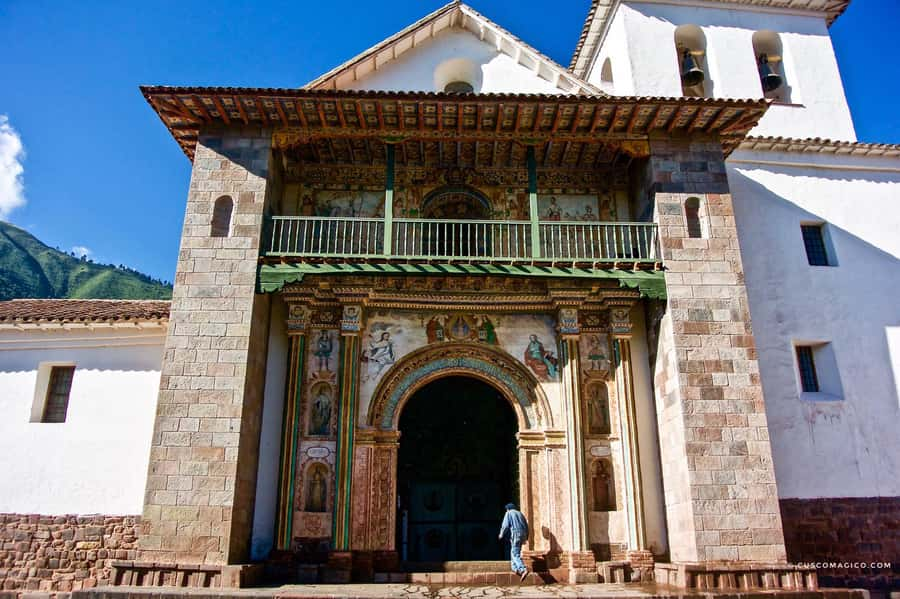
- Andahuaylillas is the visual highlight: The 16th-century church is known for elaborate murals and gold decoration.
- Raqchi offers Inka architecture in an open setting: You have time to walk through the large temple grounds and learn about sun worship.
- Raya Pass reaches 4,335 meters: Bring warm clothing and move slowly while taking in the high Andes views.
- Lunch is included in Sicuani: The buffet gives you a proper break during the long road day.
- The $130 price is strongest as a transfer package: You are paying for transport, guides, entry tickets, food, drinks, and hotel-to-hotel service.
Why this bus route makes sense
Cusco and Puno are two of Peru’s major highland bases, but getting between them by road can otherwise feel like a day lost to transport. This tour makes the journey part of your sightseeing plan. Instead of simply watching the Andes pass by, you stop at places tied to colonial religion, Inka worship, mountain geography, and early regional cultures.
The full trip takes about 10 hours. That is a serious commitment, so I would not choose it if you want a quick transfer or a restful travel day. I would choose it if you have limited time and want to see several important places without booking separate excursions.
The bus has comfortable reclining seats, which matter on a long route. Hot and cold drinks are served on board, and a first aid kit plus medicated oxygen are available. Those provisions do not remove the need to take the high altitude seriously, but they are useful safeguards on a route that reaches more than 4,300 meters.
Pickup is included from your accommodation in Cusco, and the service ends with a transfer to your accommodation in Puno. The supplied information also contains a conflicting note about pickup in Puno, but the detailed route runs from Cusco to Puno. Confirm the pickup point and bus ticket with PVTravel before departure, especially since one passenger reported receiving those details only after making direct contact the day before.
More Full-Day Tours in Peru:
- From Cusco: Titicaca Lake – Full day tour with sleeper bus
★ 3.9 · 72 reviews - Water Taxi All Day hop-on hop-off Venice of America Boat Tour
★ 4.5 · 3,932 reviews - Thessaloniki: Full-Day Bus Trip to Meteora
★ 4.8 · 3,471 reviews
Andahuaylillas and the church called the Sistine Chapel of the Andes
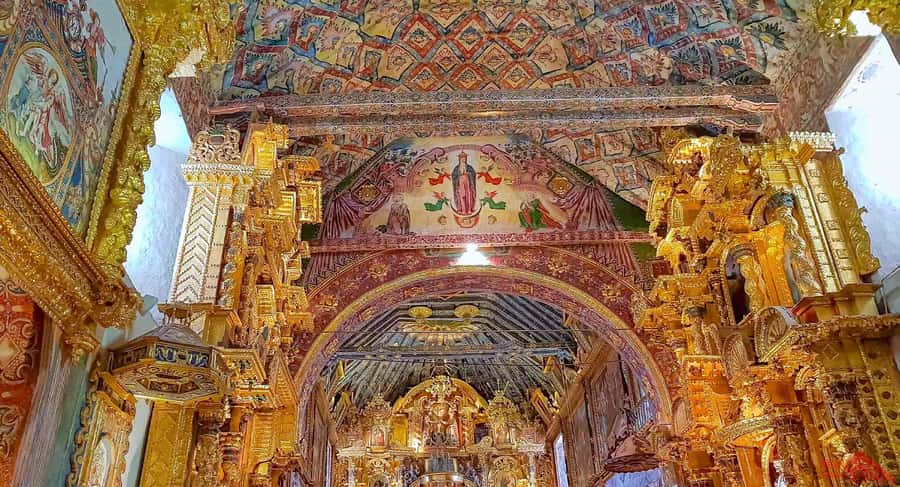
The first major stop is St. Peter the Apostle of Andahuaylillas, a 16th-century church. Its nickname, the Sistine Chapel of the Andes, gives you a useful idea of what to expect: this is not a plain rural church. The interior is known for dense murals, ornate decoration, and gold embellishments.
Your guide provides context on the colonial period and explains how European religious traditions took root in the Andes. The stop lasts about 20 to 40 minutes, enough for a guided look and some photographs, though not enough for a slow, independent study of every detail.
This visit is especially valuable because it shows how history in Peru is layered. The tour is not only about the Inka Empire. At Andahuaylillas, you see the visual language of colonial Catholicism and how it was presented in an Andean setting.
Photography rules and access inside historic churches can vary, so follow your guide’s instructions. If church interiors are not your main interest, this stop may feel brief. For most people, though, the intense decoration makes it one of the most memorable parts of the morning.
Raqchi and the scale of Inka religious life
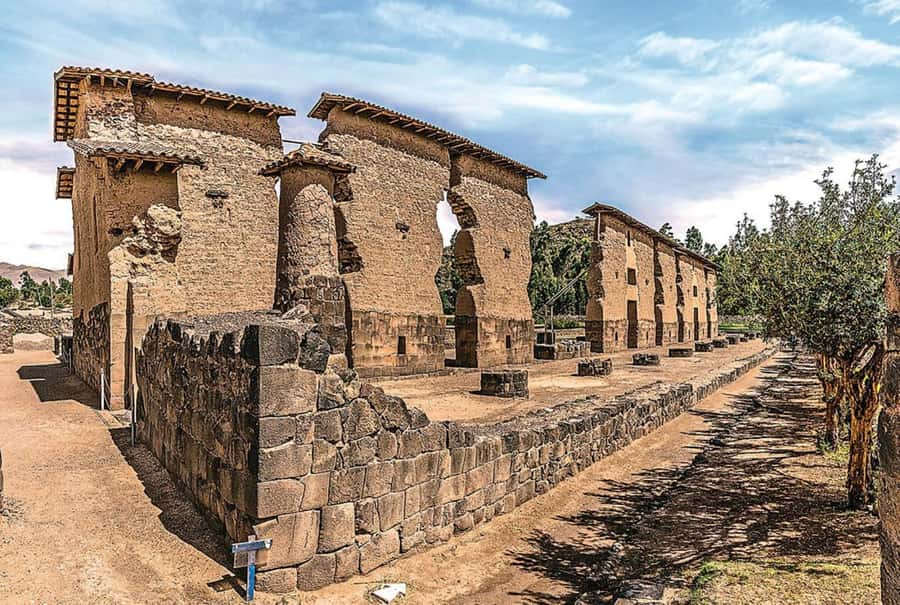
At Raqchi, the focus shifts from the colonial church to an Inka temple. The site gives you a chance to think about how people worshipped the sun and how large ceremonial spaces were organized.
You will walk through expansive grounds with a guide rather than simply stepping off the bus for a quick photo. The setting helps you understand the scale of the site. Even with a short visit, the open remains offer a stronger sense of place than a small museum display can provide.
The guide’s role matters here. Without some explanation, stone walls and foundations can be hard to interpret. The bilingual service is provided in English and Spanish, so you can ask questions about the temple, religious life, and the transition from the Inka period to the colonial era.
Raqchi is also a good reminder that the route is not just a scenic ride. Each stop adds a different piece to the story of southern Peru. Andahuaylillas shows colonial religious art. Raqchi points to Inka belief and ceremony. Together, they create a more useful picture than either stop would provide on its own.
Wear shoes that suit walking over uneven outdoor ground. The visit is not described as a long hike, but you will have more to see if you are comfortable moving around the site instead of staying beside the bus.
Lunch in Sicuani and the practical value of a buffet
The lunch stop takes place in Sicuani, a town along the route. A buffet lunch is included, which is a real advantage on a 10-hour excursion. You do not need to spend your limited break finding a restaurant, checking menus, or worrying about whether service will be fast enough for the bus.
This is also your main proper meal during the day. Extra meals and drinks are not included, so carry money for anything beyond the provided lunch and on-board refreshments. The food is described as authentic Peruvian cuisine, giving you a chance to eat something local rather than relying only on packaged snacks.
A buffet has another benefit on a timed group tour: you can choose what suits you and avoid a long wait for individual orders. The tradeoff is that the meal is designed for efficiency, not a leisurely restaurant experience. You are stopping to continue the route.
Sicuani breaks the day at a sensible point. By then, you have already seen the church and temple, and you still have the high pass and Pukara ahead. Use the pause to eat, stretch, and organize your camera or warm layers before the bus climbs higher.
A few more bus tours around Peru worth a look
- Milan: City Sightseeing Hop-On Hop-Off Bus with Audio Guide
★ 4.0 · 6,256 reviews - London: Christmas Lights Bus Tour With Live Guide
★ 4.0 · 5,410 reviews - From Madrid: Guided Day Trip to Toledo by Bus
★ 4.1 · 5,280 reviews - From NYC: Guided Day Trip to Washington DC by Van or Bus
★ 4.7 · 3,418 reviews
Raya Pass at 4,335 meters
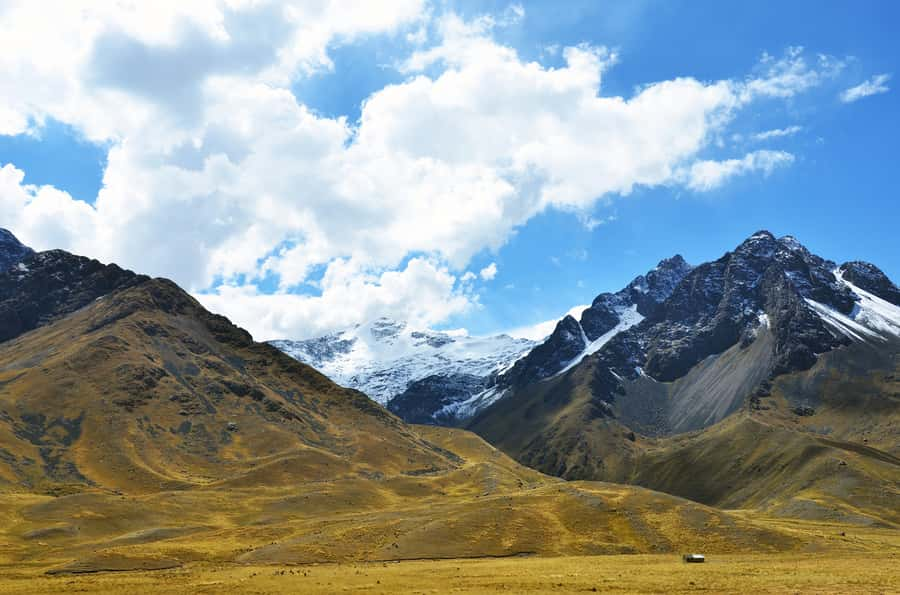
Raya Pass is the highest point on the route, reaching 4,335 meters above sea level. This is the stop for broad views of the Andes, freshwater pools, and snow-capped mountains. Vendors selling traditional souvenirs are also part of the scene.
The pass is less about a guided historical explanation and more about the physical scale of the region. You can step out, take photographs, and see how the road crosses the high altiplano. The scenery is the reason to come prepared with a warm layer, even if Cusco felt mild when you left.
Altitude is the key consideration here. The stop is relatively short, but 4,335 meters is high. Walk at an easy pace, avoid rushing for photographs, and listen to your body. The bus carries medicated oxygen and a first aid kit, which is reassuring, but you should still treat the stop with care.
Raya Pass may be the most scenic point of the tour, but it is not necessarily the most comfortable. Wind, cold, and altitude can affect how long you want to stay outside. Take the view while you can, then return to the bus when you have had enough.
Pukara Lithic Museum and early highland cultures
The final major stop is the Lithic Museum in Pukara. Here, the subject broadens to Inka and Aymaran culture. You will see rare artifacts and walk through an archaeological site connected with the region’s earlier history.
This stop gives the tour a useful chronological reach. You begin with a colonial church, move back to Inka religious architecture, cross a modern highland town, and end with archaeological material from older cultures. The route is not presenting one single version of Peru. It shows how different societies shaped the same highland corridor over time.
The museum visit is likely to suit anyone who wants more than scenery. Objects and carved stone can make the region’s past easier to understand, especially after seeing the open site at Raqchi. The guide can connect what you see in the displays with the wider story of the altiplano.
The time here is limited to roughly 20 to 40 minutes, like the other visits. That keeps the bus moving toward Puno, but it means you should focus on the guide’s main explanations rather than trying to inspect every artifact at length.
What the 10-hour schedule feels like
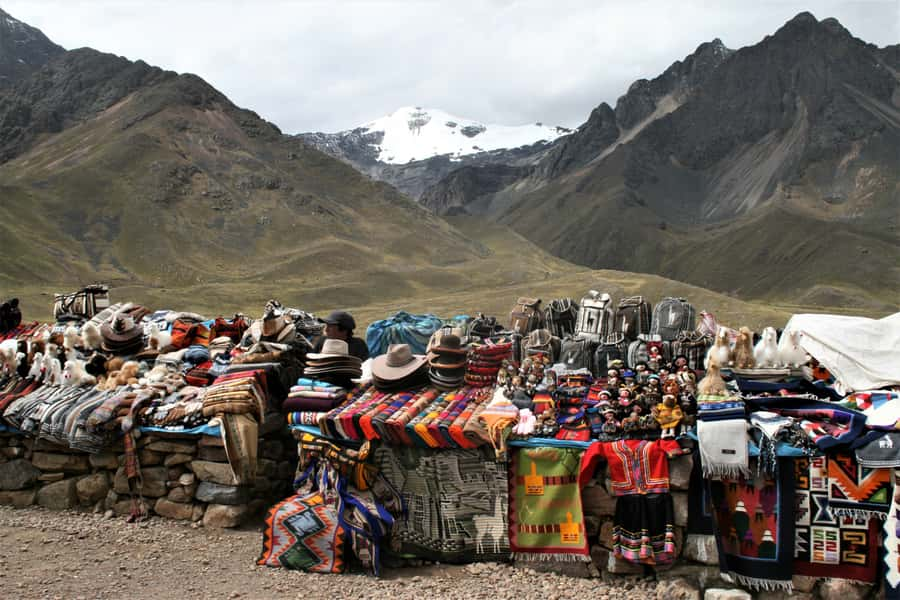
This is a full transport day with sightseeing built into it, not a relaxed day tour that returns to the same city. You leave Cusco early, spend much of the day on the road, and arrive in Puno after several guided stops.
The short visits keep the schedule manageable. You are not spending hours at any one monument, but you also are not trapped on the bus without breaks. The mix of indoor and outdoor stops helps: the church and museum provide shelter, while Raqchi and Raya Pass let you experience the open highland setting.
I would pack a small day bag with your passport, warm clothing, water, personal snacks, and any medication you need. A passport is specifically required. Since extra drinks and meals are not included, a little spending money is sensible as well.
Do not book this transfer if you need complete control over the schedule. The stops are guided and timed, with each visit lasting around 20 to 40 minutes. That structure is useful for first-time visitors, but it leaves limited room for lingering.
Is $130 good value?
At $130 per person, the price is not just for a seat on a bus. It includes pickup in Cusco, drop-off in Puno, modern transport, reclining seats, a bilingual guide, entrance fees, buffet lunch, hot and cold drinks, first aid supplies, and oxygen.
That package can be good value if you were already planning to travel between the two cities and would otherwise need to arrange transport, meals, and several admissions yourself. You are also paying for interpretation at Andahuaylillas, Raqchi, and Pukara, which helps turn the stops into meaningful visits rather than quick photo breaks.
The value is weaker if you only want to reach Puno as fast and cheaply as possible. A dedicated transfer without sightseeing could better suit that plan, but this experience is aimed at people who want the road itself to be part of the trip.
The strongest praise in the available feedback focuses on the places visited and the guides. One verified passenger described the trip as successful and interesting, with a very good guide. Another praised the excursion and guides but flagged poor communication before departure. That combination gives you a fair picture: the day itself can be excellent, but confirm the practical details instead of assuming every ticket and pickup message will arrive automatically.
Who should book this experience?
I would recommend it to you if you are moving from Cusco to Puno, have only one day for the route, and want a guided introduction to the southern altiplano. It is also a good fit if you prefer a planned day with transport, meals, admissions, and explanations handled together.
It suits people interested in architecture, archaeology, religion, mountain scenery, and regional food. The variety is the main strength. You get a colonial church, an Inka site, a high mountain viewpoint, a museum, and a town lunch in one journey.
I would be more cautious if you dislike early starts, long bus rides, timed stops, or high-altitude conditions. You should also contact PVTravel before the day of departure to confirm the exact pickup time and receive the bus tickets. That simple step addresses the one practical weakness reported about the experience.
Should you book the Cusco to Puno Sun Route?
Book it if you want to make the journey count. The tour combines the most important stops on this road with a bilingual guide, lunch, entry fees, comfortable seating, and hotel-to-hotel transport. The views at Raya Pass and the interior of Andahuaylillas are especially strong reasons to choose it.
Skip it if you want a short, flexible transfer or a quiet day in the bus. Ten hours is a long stretch, and the altitude at Raya Pass is no small detail. For the right schedule, though, this is a practical way to connect Cusco and Puno while seeing the history and scenery between them.
FAQ
How long is the Cusco to Puno tour?
The tour lasts about 10 hours, including the road journey and guided stops.
What places does the bus visit?
The route includes St. Peter the Apostle of Andahuaylillas, the Inka temple of Raqchi, Raya Pass, and the Pukara Lithic Museum.
Is lunch included?
Yes. A buffet lunch in Sicuani is included. Extra meals and drinks are not included.
Is hotel pickup included in Cusco?
Yes. Pickup from your accommodation in Cusco is included.
Is hotel drop-off included in Puno?
Yes. The tour includes transfer to your accommodation in Puno.
What languages are available for the guide?
The live guided service is available in English and Spanish.
Are entrance fees included?
Yes. Entrance fees for the places visited are included.
What is the highest point on the route?
Raya Pass reaches 4,335 meters above sea level.
What should I bring?
Bring your passport. Warm clothing and personal spending money are also useful for the high pass and any extra food, drinks, or souvenirs.
Is cancellation allowed?
You can cancel up to 24 hours in advance for a full refund. The activity also allows you to reserve now and pay later.
Just added around Peru
- Turist Bus Colca Canyon (Chivay) To Puno★ 5.0 · 83 reviews
- Machu Picchu Entry Ticket and Bus from Aguas Calientes★ 3.8 · 8 reviews
- Machu Picchu 2 Days / 1 Night (By Bus)★ 3.7 · 4 reviews
- Lima: City Sightseeing Panoramic Bus Tour★ 3.3 · 3 reviews
- LIMA WALKING TOUR CATACOMBS FROM MIRAFLORES, HISTORICAL CENTER, WINES+BUS★ 4.8 · 8 reviews
- Lima : City tour 360° Panoramic bus – Sightseeing Tour★ 4.0 · 15 reviews
- Lima : City Tour by Panoramic Bus – Walking & Catacombs★ 4.3 · 41 reviews
- From Lima : 360° Panoramic Bus★ 4.0 · 3 reviews
Cusco Bus Tours, compared.
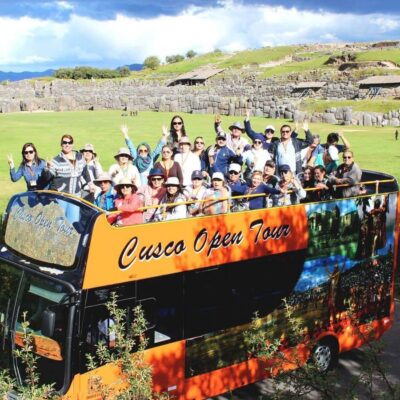
Cusco: Sightseeing Tour of the City on an Open-Top Bus
Read our review →
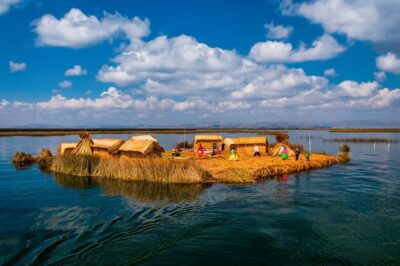
From Cusco: Titicaca Lake – Full day tour with sleeper bus
Read our review →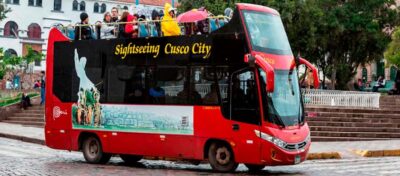
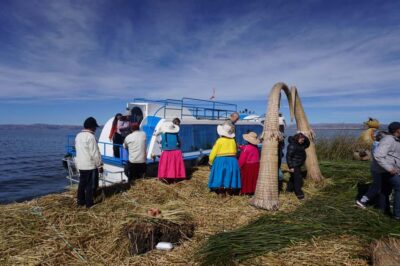
From Cusco: Lake Titicaca, Uros and Amantani by sleeper bus
Read our review →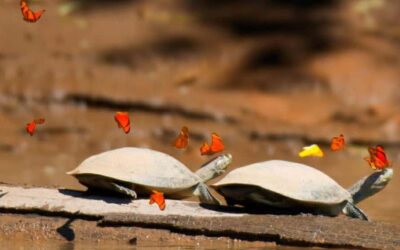
From Cusco: Amazon jungle for two days with sleeper bus and private lodge
Read our review →
Browse the lists this tour appears in