
REVIEW · USA
Chicago: Ghost Bus Tour of Haunted Locations
Chicago’s ghost stories begin with real loss, and this tour makes that clear. In three hours, you move from the Eastland Disaster, where 844 people died, to the Iroquois Theater fire, the St. Valentine’s Day Massacre site, and the legends of Resurrection Mary. The bus lets you cover a lot of ground without piecing together a complicated night route.
I like the mix of serious Chicago history and old supernatural tales. I also like the practical setup: a luxury coach, a bathroom on board, several outdoor stops, and a live English-speaking guide. The main drawback is time. Traffic can cut into the route, and one report says the group missed Resurrection Mary and found that the bus speakers did not always work.
- The Eastland Disaster gives the tour its strongest historical stop: 844 people died when the overloaded vessel capsized in 1915.
- Hull House brings folklore into a real social setting: the Devil Baby story grew around Jane Addams’ immigrant settlement.
- Resurrection Mary is the key ghost encounter: but the stop may be missed if traffic or delays build.
- The route covers major ground by bus: you visit or pass sites across central Chicago and Lincoln Park.
- Joanna earned specific praise as a guide: guide quality matters on a narration-heavy experience.
- The $54 price buys three hours of transport and storytelling: it makes the most sense if you want several sites in one evening.
Chicago’s dark past, told from a moving bus
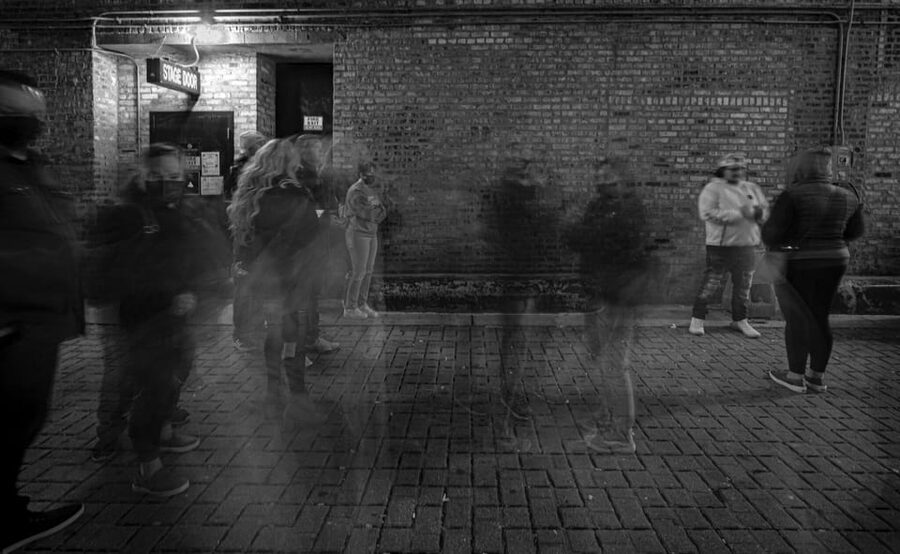
This is not a haunted house attraction. You will not be walking through staged rooms or watching actors jump out at you. The tour uses actual Chicago locations, outdoor photo stops, crime scenes, disaster sites, cemetery remains, and buildings tied to ghost lore.
That mix is the point. You hear about people who died in fires, massacres, accidents, and urban disasters, then visit the places connected to them. The paranormal claims are part of the storytelling, but the historical events give the evening its weight.
The experience lasts three hours and begins at the Congress Plaza Hotel and Convention Center. The coach carries you between locations, with short guided stops that generally last about 10 to 15 minutes. That keeps the pace brisk, though it also means you should not expect long walks or extended time at any one site.
Meeting at the Congress Plaza Hotel
You meet inside the hotel bar, not outside on the sidewalk. Arrive at least 15 minutes early. The bus leaves promptly, and late arrivals cannot count on being admitted once the route begins.
The hotel itself is part of the atmosphere. Congress Plaza is known in Chicago ghost lore as one of the city’s haunted hotels, so the meeting point starts the story before you board. Beverages at the hotel bar are not included, so plan to pay separately if you want a drink before departure.
The coach is described as luxurious and has a bathroom on board. That matters on a three-hour evening route with several stops. You will still want to listen carefully to the guide, since one report noted that the speakers were not always working. Sitting where you can hear clearly is a sensible move.
More Ghost Bus Tours in Chicago:
- Chicago Hauntings Original Ghost Bus Tour
★ 4.0 · 147 reviews - Chicago Gangsters and Ghosts Luxury Minibus Tour
★ 5.0 · 33 reviews - Edinburgh: Comedy Horror Ghost Bus Tour
★ 4.4 · 3,932 reviews
Lincoln Park and the ashes of the Great Chicago Fire
The first major stop is Lincoln Park, where you get about 15 minutes for a photo stop and guided talk. The park and zoo area is tied to the Great Chicago Fire, and the tour connects the present-day setting with what came before it.
This is a good early stop because it shows how Chicago’s ghost stories are often layered over ordinary city spaces. You may be looking at a popular park while hearing about destruction, burial grounds, and the city’s rapid rebuilding.
Do not expect a long visit to the zoo. The stop is short, and the focus is the haunted side of the area rather than a standard park tour. You will have time for pictures and narration, not a full look around.
Jane Addams Hull House and the Devil Baby story
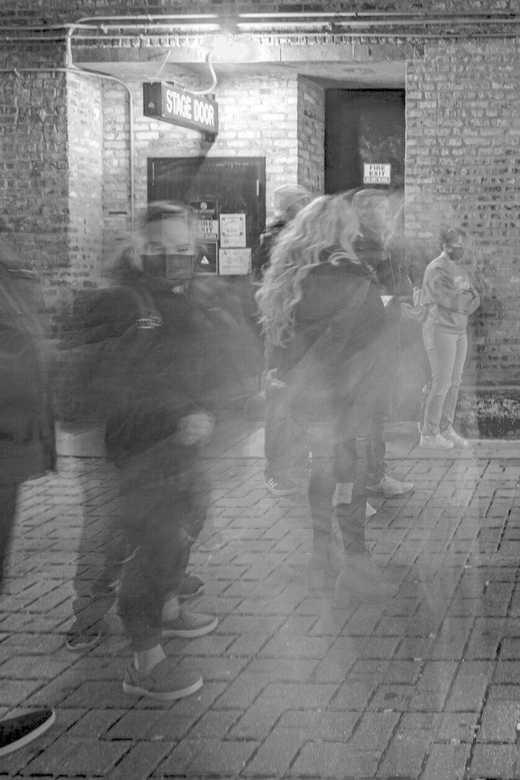
At the Jane Addams Hull-House Museum, the tour spends roughly 15 minutes on a photo stop, sightseeing, and guided commentary. Hull House was a settlement for immigrants, and its social work gives the ghost story a real human setting.
The tale here concerns a supposed Devil Baby, a child said to have been born with unusual features. The story became well known in Chicago folklore, and it was later discussed in The Atlantic. The value of this stop is not proof of the supernatural. It is the way the story shows how rumor, fear, religion, and immigrant life mixed in a crowded city.
You should think of Hull House as a folklore stop rather than a museum visit. The tour information does not include admission or a full indoor tour, so your time is centered on the narrated account and the exterior setting.
Passing the John Hancock Center
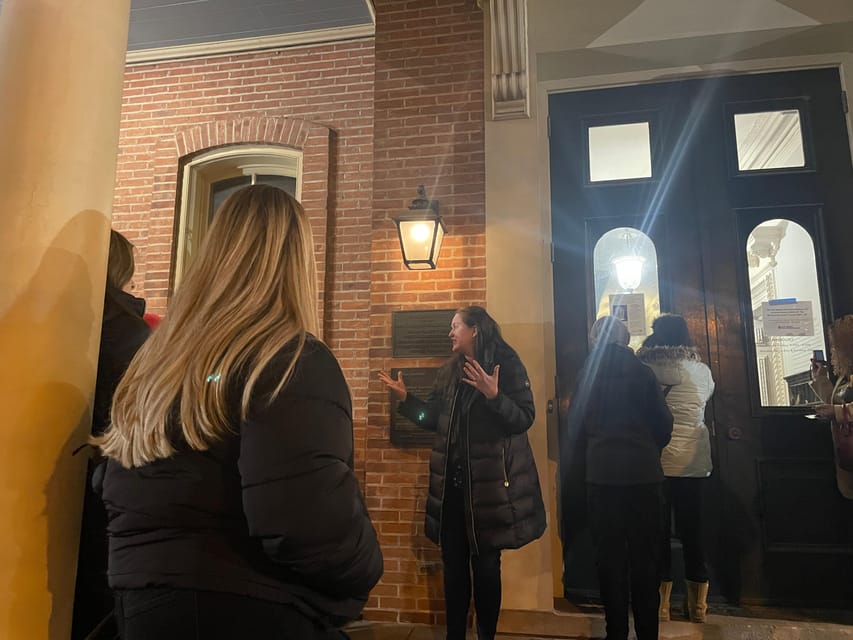
The bus passes the John Hancock Center for about five minutes. You will hear the theory that its trapezoidal shape may harness otherworldly forces, an idea that fits the tour’s blend of architecture and ghost lore.
This is a quick look, not a stop where you get out. Still, it breaks up the older stories with a modern Chicago landmark. If you enjoy unusual architecture, it is a useful reminder that the tour does not focus only on cemeteries and old theaters.
A few more bus tours around Chicago worth a look
- Chicago Crime and Mob Bus Tour
★ 4.5 · 3,186 reviews - Big Bus Chicago: Hop-On Hop-Off Sightseeing Tour, 24/48/72hr Pass
★ 4.0 · 2,191 reviews - Chicago: Hop-on Hop-off Sightseeing Tour by Open-top Bus
★ 4.3 · 1,349 reviews - Chicago: Mob and Crime Bus Tour
★ 4.4 · 859 reviews
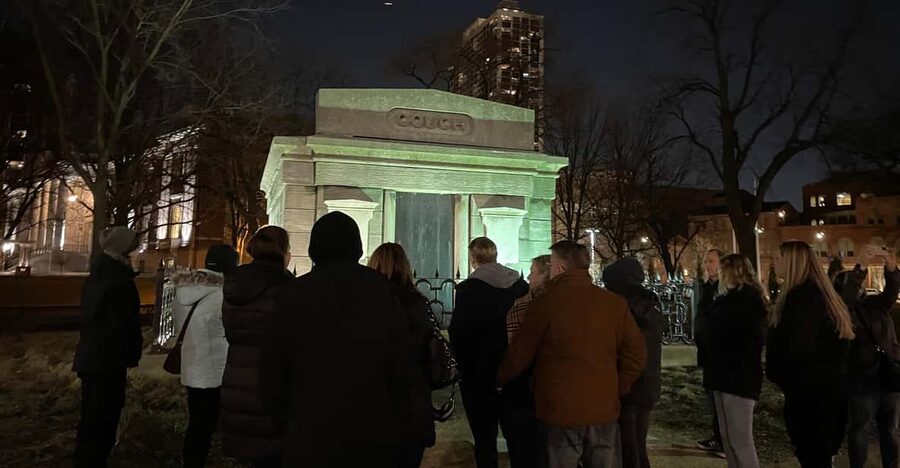
The Couch Tomb, a surviving piece of old Chicago
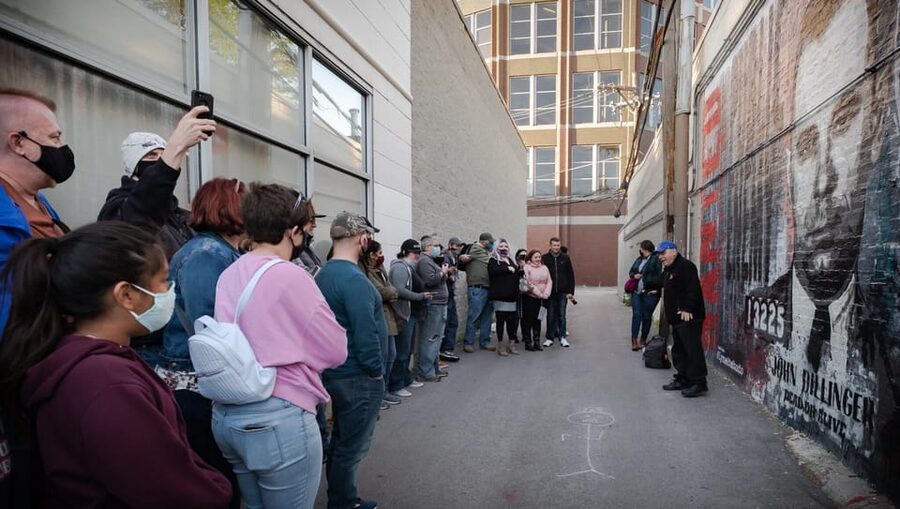
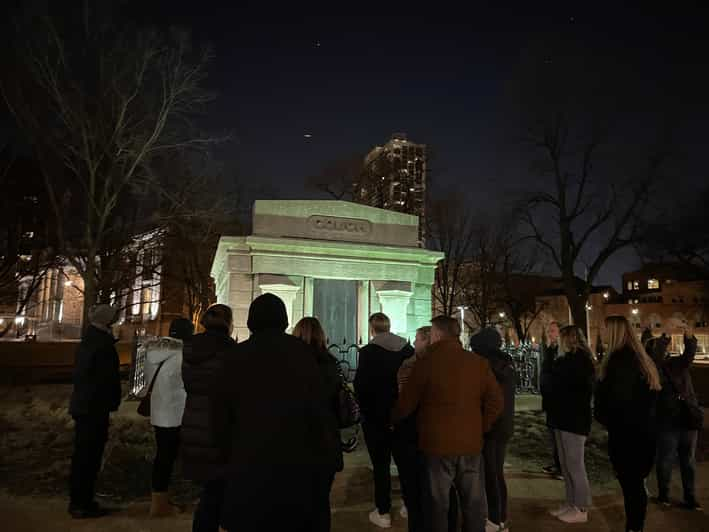
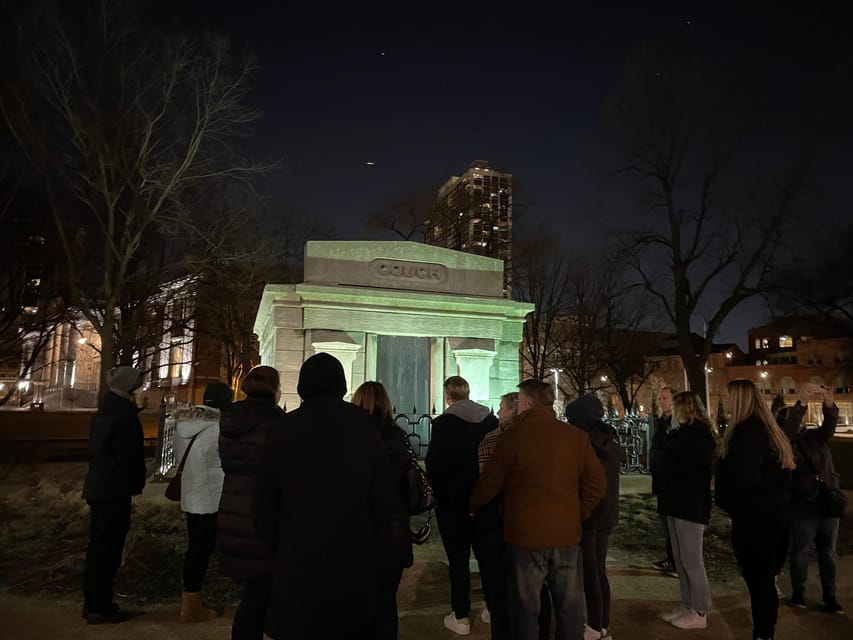
The Couch Tomb receives about 15 minutes for a photo stop and guided explanation. It is described as the last remaining marked grave from the cemetery destroyed in the Great Chicago Fire.
That makes this one of the route’s more striking physical reminders. Fires and urban rebuilding can erase old places quickly, but the tomb remains as a visible link to the city before the disaster. You are not simply hearing that Chicago changed. You are looking at one of the few marked remains connected to that earlier city.
The stop is outdoors and brief. Wear shoes that are comfortable for short walks and standing, especially if the evening is cold or wet.
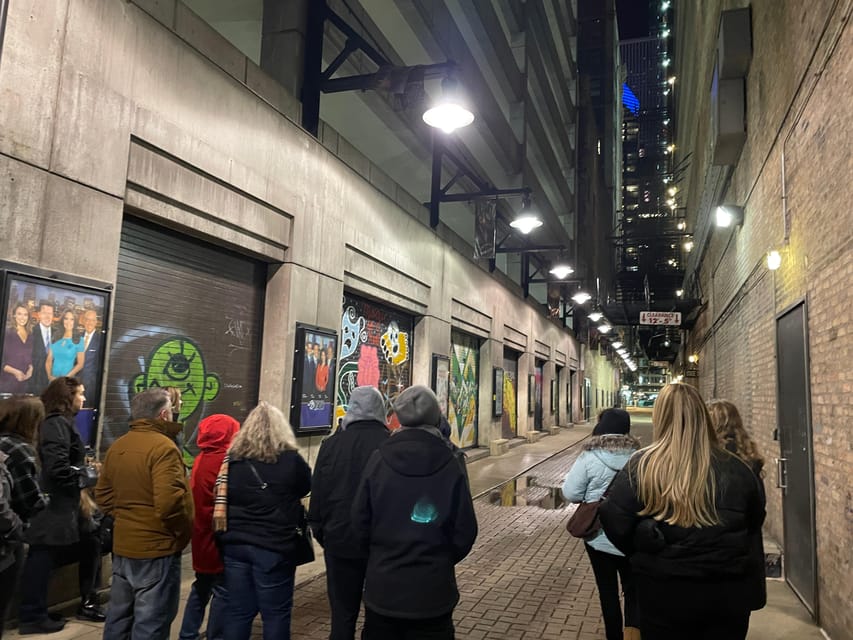
The Nederlander Theatre and Death Alley
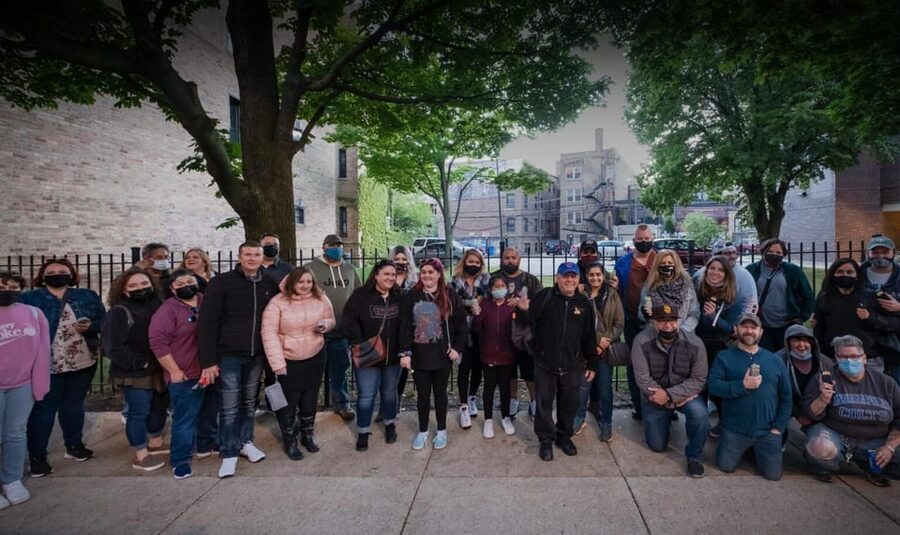
The Nederlander Theatre is connected to the Iroquois Theater fire, one of the deadliest theater disasters in American history. The tour refers to the nearby area as Death Alley, a name that reflects the scale of the tragedy.
You spend about 15 minutes here with a photo stop and narration. The story is grim, so this is not a light spooky tale. It is a lesson in how crowded public buildings, poor safety measures, and panic could turn entertainment into catastrophe.
This stop will appeal to you if you like history that explains how cities change after disaster. It may feel heavy if you came only for playful ghost stories. The tour moves between both moods, but the real tragedies are treated as part of the route’s central subject.
The Biograph Theater and John Dillinger
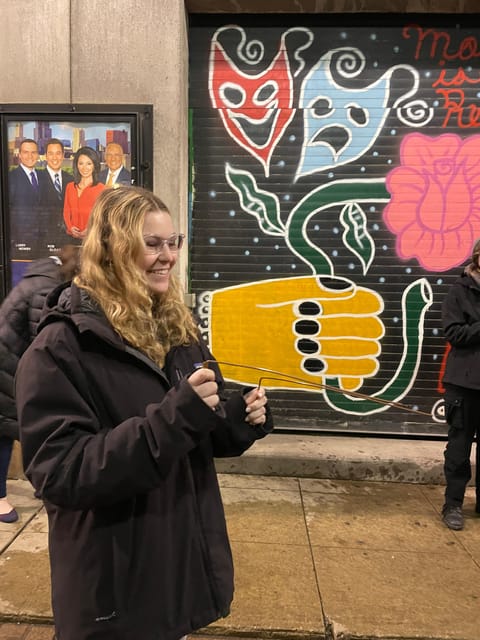
The Biograph Theater is tied to gangster John Dillinger, who met his end there. The stop lasts about 15 minutes and includes sightseeing, photographs, and a guided account.
This part shifts the tone from mass disaster to organized crime. Chicago’s mob history has its own legends, and the Biograph gives you a precise location rather than a general story about gangsters. The setting also connects the tour to popular ideas about haunted theaters and places where violent deaths took place.
The visit is not a theater performance or an indoor attraction. You will be seeing the exterior area and listening to the guide. That format works best if you want context and atmosphere more than a long museum stop.
2122 North Clark Street and the Resurrection Mary legend
The address at 2122 North Clark Street is part of the route and is tied to the St. Valentine’s Day Massacre. The site recalls one of the most notorious mob killings in American history, giving you another location where crime history and ghost lore overlap.
The tour also presents Resurrection Mary, Chicago’s most famous phantom hitchhiker. This is one of the experience’s headline stories, and many people will book mainly for the chance to hear about her and reach the location associated with the legend.
You should keep your expectations flexible. A report from the route says the group did not see Resurrection Mary, with parade traffic and timing problems affecting the final stops. The tour cannot control traffic, and a three-hour schedule leaves little spare time. If Resurrection Mary is your only reason for booking, this uncertainty matters.
The Eastland Disaster site and 844 lost lives
The Eastland Disaster Historical Society stop is among the strongest parts of the route. You get about 15 minutes for a visit and photo stop, with the guide explaining the 1915 capsizing of the overloaded vessel.
The death toll was 844 people. That number makes this more than a ghost story. It is a major Chicago tragedy, and the site gives you a chance to consider how a disaster can remain part of a city’s memory long after the physical scene has changed.
I like this stop because it gives the tour a serious center. The supernatural stories are memorable, but the Eastland Disaster grounds the evening in documented loss. You leave with a clearer sense of Chicago’s past, not just a list of haunted addresses.
What the three-hour format really means
Three hours sounds generous, but the route covers many sites. The bus ride between locations saves energy and lets you see parts of Chicago that would be difficult to connect on foot. You will also get a bathroom on board, which is useful when stops are spread across the city.
The tradeoff is limited time at each location. Most stops last 15 minutes, and the John Hancock pass is only about five minutes. You will hear the main story, take a few pictures, and return to the coach. If you want to examine buildings, read plaques, or visit museums inside, you will need separate time on another day.
Traffic is the biggest practical risk. A parade or busy evening can delay the route and cause the final stop to be shortened or missed. The bus has to leave promptly at the beginning, but the city itself cannot always keep to the schedule.
Guide quality, sound, and atmosphere
This tour depends heavily on narration. You are not receiving a long indoor presentation at each stop, so the guide’s timing, voice, and storytelling shape the whole experience.
Joanna received specific praise, which is useful when choosing a narrated ghost tour. The guide is expected to explain the historical events, frame the folklore, and keep the group moving. Since one report noted sound problems, try to sit where the speakers are easy to hear and tell the guide promptly if you cannot follow the story.
You can bring a camera or recorder. The tour encourages you to look for evidence of the supernatural captured by others, but it does not promise that you will record anything unusual yourself. Treat that part as a bit of fun, not a guarantee.
Is $54 a fair price?
At $54 per person, the value comes from the combination of transport, access to multiple locations, and three hours of live storytelling. If you tried to visit the sites independently, you would need to plan several stops across Chicago, arrange transportation, and research the stories yourself.
The price is less attractive if you prefer long visits at one place or already know the city well. Several stops are short, and some are viewed from the bus or from outside. You are paying for a packaged route and a guide, not admission to a collection of haunted buildings.
For a first visit to Chicago, I think the price is reasonable if ghost lore and city history both appeal to you. The coach makes the route practical, and the range of subjects is broad: fires, shipwreck, mob violence, architecture, cemetery remains, immigrant folklore, and a famous hitchhiker legend.
Who should book this Chicago ghost tour?
I would choose this tour if you want an evening activity that covers a lot of ground without demanding a long walk. It suits adults, older children who can handle stories of death and violence, and visitors interested in Chicago history as much as ghosts.
The official restrictions exclude children under five, with several age categories listed for babies and toddlers. Strollers, baby carriages, non-folding wheelchairs, and electric wheelchairs are not allowed. Alcohol and drugs are also prohibited.
This is not the best choice if you need a fully accessible vehicle, want a quiet family outing, or expect a guaranteed sighting of Resurrection Mary. It is also less suitable if you dislike stories about mass death, gang killings, and theater disasters.
The tour accepts cancellations up to 24 hours before departure for a full refund, and you can reserve now and pay later. Starting times vary, so check availability for your date. The tour is offered in English only.
Should you book it?
Book this tour if you want a broad, story-led look at Chicago’s darker past, with the comfort of a bus and a bathroom on board. The Eastland Disaster, Hull House, Couch Tomb, Nederlander Theatre, Biograph Theater, and Resurrection Mary route give you plenty of subjects in one evening.
Go in knowing that the schedule is tight. Traffic may affect the final stops, the speakers may not be perfect, and Resurrection Mary is not guaranteed. For $54, I think it is a sound choice for curious first-time visitors who value context and variety more than a single dramatic ghost encounter.
FAQ
How long is the Chicago Ghost Bus Tour?
The tour lasts three hours.
Where does the tour begin?
You meet inside the bar at the Congress Plaza Hotel and Convention Center.
How early should I arrive?
Arrive 15 minutes before the scheduled start. The bus leaves promptly and cannot wait for late arrivals.
Is transportation included?
Yes. Transportation is provided by a luxury bus with a bathroom on board.
What language is the tour offered in?
The live tour guide speaks English.
Does the tour visit Resurrection Mary?
Resurrection Mary is part of the tour’s ghost lore and planned route, but a previous tour did not reach the stop because of timing and traffic issues. A sighting is not guaranteed.
Which major tragedies are covered?
The tour covers the Eastland Disaster, the Iroquois Theater fire, the Fort Dearborn Massacre, and the St. Valentine’s Day Massacre.
Does the tour visit Jane Addams Hull House?
Yes. You receive a guided stop of about 15 minutes at the Jane Addams Hull-House Museum area, including the Devil Baby story.
Are drinks included?
No. Beverages at the Congress Plaza Hotel bar are not included.
Can I cancel for a refund?
Yes. You can cancel up to 24 hours in advance for a full refund. You can also reserve the tour and pay later.
Just added around Chicago
- Chicago River Architecture Tour and Big Bus Hop-on Hop-off Tour★ 4.0 · 38 reviews
- Luxury Minibus Chicago City Tour★ 5.0 · 4 reviews
- Chicago Night Crimes Tour by Bus★ 5.0 · 478 reviews
- Chicago’s Original Gangster Tour by Bus★ 5.0 · 116 reviews
- Chicago Gangsters and Ghosts Luxury Minibus Tour★ 5.0 · 33 reviews
- Chicago Hauntings Original Ghost Bus Tour★ 4.0 · 147 reviews
- Chicago Luxury Minibus City Tour and Architecture River Cruise★ 4.5 · 8 reviews
- Big Bus Chicago: Sunset Tour by Open-Top Bus with Live Guide★ 4.0 · 165 reviews
USA Bus Tours, compared.

Grand Canyon West Bus Tour with Hoover Dam and Optional Skywalk
Read our review →
Hop-on Hop-off Sightseeing Tour by Open-top Bus
Read our review →
Boston Hop-On Hop-Off Trolley Tour with 13 Stops
Read our review →
Muir Woods and Sausalito (Return by Bus or Ferry)
Read our review →
New Orleans City Sightseeing Hop-On Hop-Off Bus Tour
Read our review →
Waikiki Trolley Hop-On Hop-Off Tour of Honolulu
Read our review →Browse the lists this tour appears in