
REVIEW · JAPAN
Peaceful Hiroshima & Miyajima UNESCO 1 Day Bus Tour
Hiroshima’s hardest memories and Miyajima’s graceful red torii gate make a powerful pairing. This eight-hour bus tour moves from the Atomic Bomb Dome and Peace Memorial Museum to a ferry ride, shrine, temple, deer, shops, and island food.
I like the practical design: entrance fees and ferry tickets are included, and the air-conditioned coach cuts down on planning. I also like the guides’ personal touch. Rino, Marin, Momiji, Mo, and Mimoji are praised for clear English, energy, humor, and careful pacing.
The main drawback is the tight schedule. The museum can feel crowded, and Miyajima involves a fair amount of walking. With a maximum of 45 people, this is efficient sightseeing, not a quiet private tour.
Key points to know before booking
- Two very different halves: Hiroshima’s memorial sites bring a solemn morning or afternoon, while Miyajima offers shrine architecture, temple details, food, and natural beauty.
- The museum visit matters: One hour is allotted inside the Hiroshima Peace Memorial Museum, with admission included.
- Miyajima costs walking time: The ferry is short, but reaching Itsukushima Shrine and Daishoin Temple requires steady movement around the island.
- Guides shape the day: Rino, Marin, Momiji, Mo, and Mimoji have all led tours, with English commentary supported by multilingual audio on the bus.
- Lunch is optional: Choose the okonomiyaki lunch if you want a planned local meal, or go without lunch if you prefer street food or have serious allergies.
- Plan your evening carefully: The tour returns to the meeting point, but anyone catching a Shinkansen should book a departure after 6:30 p.m.
Why Hiroshima and Miyajima work so well together
This tour solves a common Hiroshima problem: the city’s major sights are spread across different settings, and Miyajima sits across the water. On your own, you need to coordinate a coach or train, ferry tickets, admissions, walking routes, and opening times. Here, the main pieces are handled together.
The contrast also gives the day a useful rhythm. Hiroshima Peace Memorial Park and its museum ask you to slow down and think about the atomic bombing of August 6, 1945. Miyajima then brings a different mood, with a sea-facing shrine, colorful guardian statues, small shops, and an island ferry crossing.
The sequence can change. Some groups begin with the memorial sites and visit Miyajima later, while others see Miyajima first and finish at the museum. That flexibility helps the guide respond to traffic, weather, and crowd levels, but you should not expect a fixed order.
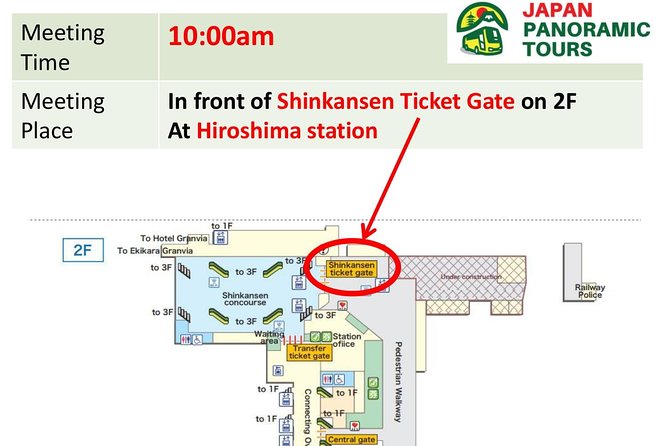
The tour begins at 10:00 a.m. near Hiroshima Station, at Currency ExchangeJapan on Matsubaracho. It ends back at the same meeting point. There is no hotel pickup or drop-off, so you need to reach the start point yourself and arrive on time. Late arrivals cannot join partway through the route.
A few more bus tours around Japan worth a look
- Mt Fuji and Hakone 1-Day Bus Tour Return by Bullet Train
★ 5.0 · 26,383 reviews - 1-Day Tokyo Bus Tour
★ 5.0 · 14,250 reviews - PERFECT KYOTO 1-Day Bus Tour
★ 5.0 · 13,518 reviews
The castle stop and Hiroshima’s earlier past
The opening description includes a visit to a castle built in 1589. Only the main building is available to see on this stop. The smaller defensive houses are not part of the visit because the setting is now peaceful rather than a working fortress.
This is a useful reminder that Hiroshima is not defined only by 1945. The castle stop gives you a glimpse of the city’s earlier political and military past before the day turns toward the Peace Memorial Park. The visit is brief, so treat it as a short orientation rather than a full castle tour.
The exact timing and order can shift. Your guide may adjust the route to avoid the worst congestion, which is sensible on a full day with several major stops.
Standing before the Atomic Bomb Dome
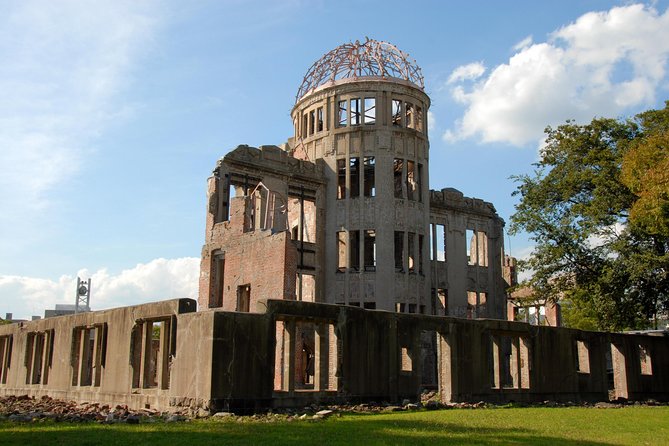
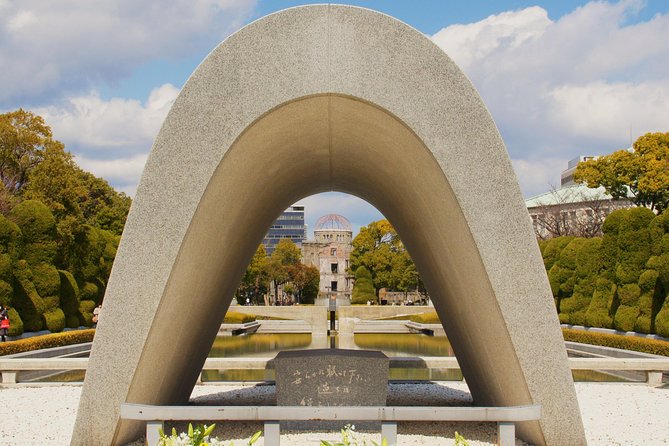
The Atomic Bomb Dome is the tour’s first major emotional landmark. It is the preserved ruin of the former Hiroshima Prefectural Industrial Promotion Hall, located near the atomic bomb’s epicenter.
You have about 15 minutes here. That is enough to look closely at the exposed framework, take in its position beside the river, and hear the guide explain why the building was preserved. It is not enough for a long, solitary visit, but the short stop works as an introduction to the memorial district.
The Dome is powerful partly because it is so physical. Photographs and museum displays can feel distant. Here, the damaged structure makes the event present in the middle of a modern city. I would resist treating it as just another photo stop. Give yourself a moment to look beyond the camera view.
Walking through Hiroshima Peace Memorial Park
The tour allows about 35 minutes in Hiroshima Peace Memorial Park. The park contains the Atomic Bomb Dome and many memorials connected with the bombing and its victims, including more than 50 peaceful monuments according to the tour information.
This is a place where your guide’s tone matters. The better guides on this route, including Rino and Marin, are praised for explaining the history while respecting the personal weight of the visit. You will have some time to look around independently, but the park portion is not designed as an extended meditation or a detailed monument-by-monument walk.
The outdoor memorials are worth your attention. If crowds make the museum difficult later, the park may offer more room to pause. Wear comfortable shoes, since the day includes the park, the museum, ferry access, shrine paths, and temple grounds.
Same city, a different seat on the bus:
- Kyoto: Fushimi Inari, Kinkakuji, Bamboo Grove 1 Day Bus Tour
★ 4.8 · 4,316 reviews - Tokyo: Meiji Shrine, Asakusa, Skytree Bus Tour and Cruise
★ 4.7 · 1,986 reviews - Tokyo: Kamakura & Enoshima Day Trip including Temple Tickets
★ 4.5 · 1,375 reviews - Mt Fuji & Hakone Cruise, Drum Show Bus 1 Day from Tokyo
★ 4.0 · 1,287 reviews
One hour inside the Peace Memorial Museum
The Hiroshima Peace Memorial Museum is the heart of the historical side of the day. The museum opened to the public in 1954 and uses personal stories, photographs, and physical objects to show what happened to civilians after the bombing.
Admission is included, and the scheduled visit lasts one hour. That is a useful amount of time for a first visit, though you may wish you had longer. The museum can become very crowded, with a one-way flow through parts of the exhibit. If you dislike packed indoor spaces, this is the section of the day that may feel most demanding.
The displays are difficult. The point is not entertainment or spectacle, but an honest look at human suffering and the long effects of war. Several guides, including Momiji and Marin, are praised for setting a respectful tone and explaining that the exhibits are preserved so such an event does not happen again.
The museum closes for exhibit replacement from February 16 through 21, 2026. During those dates, the tour plans to visit the Hiroshima National Peace Memorial Hall for the Atomic Bomb Victims instead. No price reduction is offered for that substitution.
Crossing to Miyajima by ferry
After Hiroshima’s memorial sites, the JR Nishinihon Miyajima Ferry provides a clear change of scene. The crossing takes about 20 minutes, and the return ferry ticket is included.
The ferry is more than a transport detail. It gives you a short break after the museum and lets the island appear gradually across the water. Keep your group in sight, since the tour has a set return schedule and the island portion is timed.
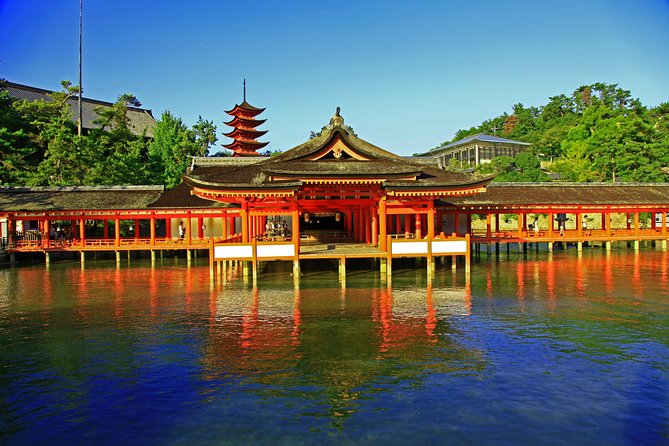
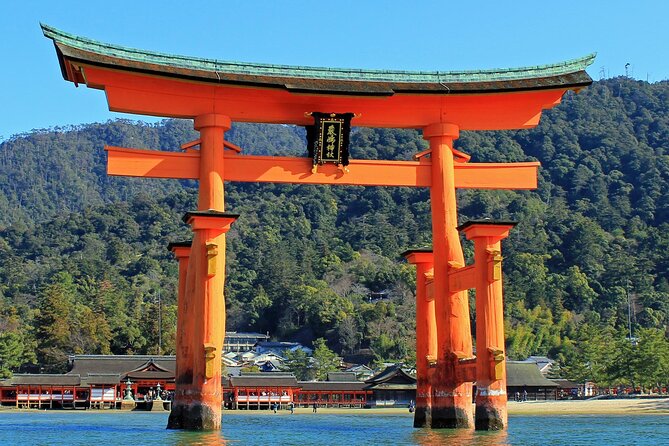
Miyajima is also known as Itsukushima. The island has long been treated as sacred, and the shrine’s position over the water reflects the older belief that the island itself was connected with a goddess. The sea-facing architecture is the reason many visitors remember Miyajima long after the tour ends.
Exploring Miyajima, food, and the famous gate
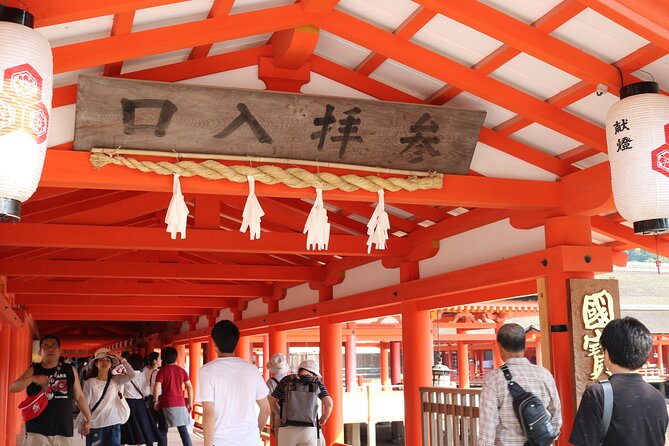
The itinerary allows about 50 minutes for Miyajima before or around the shrine visit, depending on the day’s order. This is your chance to see the shopping streets, find local treats, and take in the island atmosphere.
If you select lunch, the planned dish is Hiroshima-style okonomiyaki. It is a savory Japanese pancake, but the Hiroshima version differs from the Osaka style in how the ingredients are arranged and cooked. The meal gives you a clear taste of the region without requiring you to choose a restaurant during a packed schedule.
I would choose the lunch option if you value ease and want to sample a local specialty with the group. Skip it if you would rather browse food stalls, try several small dishes, or eat on your own. If you have a severe allergy, select the no-lunch option and bring your own food. The available vegetarian meal contains eggs and gluten, avoids pork and seafood, and is not allergy-free.
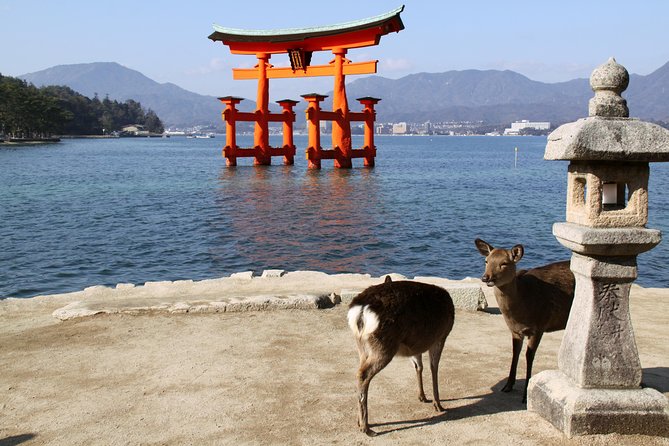
Miyajima’s deer are part of the visual charm, but one useful warning is included in the practical advice: some can be aggressive. Keep food and paper items secure and give the animals space.
Itsukushima Shrine and the floating torii
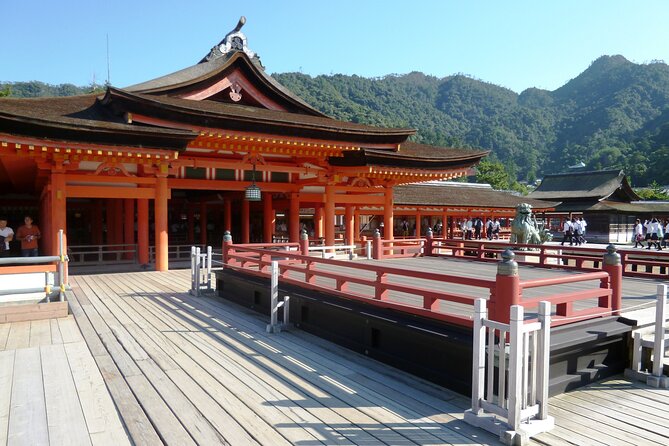
Itsukushima Shrine receives about 50 minutes, with admission included. The original shrine dates to 593, while much of the present construction was rebuilt in 1168 by Taira no Kiyomori.
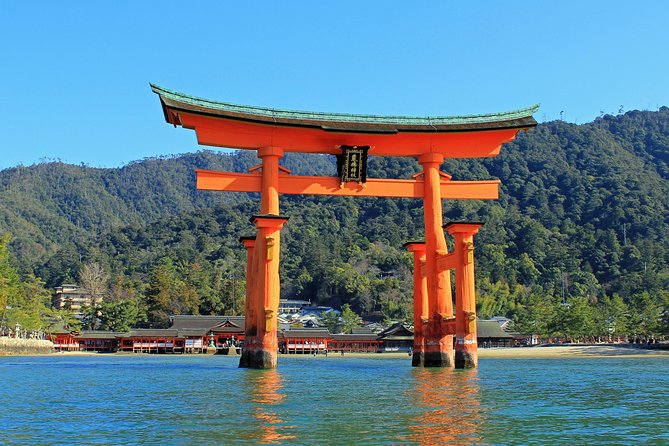
The shrine is built over the water, giving it a light, almost floating appearance. Its large red torii gate is the island’s signature sight, though the exact view depends on the tide and conditions. You should not assume the gate will look identical to every photograph you have seen.
This is one of the tour’s strongest stops because the guide can explain why the shrine was placed on the sea rather than simply pointing out its color and shape. The setting also gives you a welcome visual contrast after the gray remains and serious exhibits in Hiroshima.
Fifty minutes is enough for the main shrine experience, but not for a slow, detailed exploration of every corner of the island. If you want to linger at the waterfront, shop at length, or wait for a particular tide, an independent overnight visit would suit you better.
The quieter details at Daishoin Temple
Daishoin Temple receives about 30 minutes. It is often less famous than Itsukushima Shrine, but it adds a different kind of beauty to the island.
Look for the rows of Jizo guardian statues wearing small costumes in many colors. You can also find Buddha figures, lanterns, and small details that reward close attention. The temple is described as especially photogenic, but its value is not only visual. It offers a calmer, more intimate place to notice the religious side of Miyajima.
The walk to the shrine and temple is part of the physical challenge. One person with limited stamina found the route tiring after the earlier stops. You need moderate physical fitness, and sturdy, comfortable shoes are a smart choice.
Guides, audio support, and the feel of a group tour
The guide can make or break a day with this much ground to cover. Rino is repeatedly praised for friendly English, clear explanations, useful food suggestions, and a comfortable pace. Marin is described as warm, funny, organized, and attentive, while Momiji is noted for local knowledge, personal stories, language tips, and even taking good photos.
Mo and Mimoji have also led the route. The exact guide is not guaranteed, but the repeated focus on guides suggests that the company puts real effort into the human side of the experience.
On the bus, multilingual audio guidance is available in English, French, Spanish, Italian, German, Portuguese, and Ukrainian. Free Wi-Fi is also available. The audio system helps when the group is spread out or when you want to hear a second explanation, but it does not replace staying close to the guide at meeting points.
The maximum group size is 45 people. That is a fairly large group for narrow shrine paths and busy museum corridors. In return, you get a lower-planning day with organized transport and admissions. If you want long conversations with your guide or complete freedom at each stop, book a private tour or travel independently instead.
Is the $129.25 price good value?
At $129.25 per person, this is not the cheapest way to see Hiroshima and Miyajima. The value comes from what is bundled: an English-speaking guide, coach transport, museum admission, Itsukushima Shrine admission, ferry tickets, audio support, and an optional lunch package.
You are also paying to remove several decisions from a complicated day. The route includes two separate areas, a ferry, major memorial sites, and a temple. For a first visit or a short stay, that convenience can justify the price.
The tradeoff is time. You will see the main sights, but you will not have the freedom to stay longer at the museum, explore every Miyajima shop, or wait for ideal light at the torii gate. The coach can also carry up to 45 people, so the experience is organized rather than personal.
Free cancellation is available if you cancel at least 24 hours before the start time. Changes or cancellations inside that window are not refunded, and no-shows or late arrivals cannot reschedule.
Who should book this Hiroshima day tour?
I would recommend it most strongly if you have only one day in Hiroshima, want both the memorial sites and Miyajima, and prefer a guide to handle the transport details. It also suits families and mixed-age groups that benefit from a clear timetable, as long as everyone can manage a full day of walking.
The tour can work well for teenagers, too. The day moves between serious history, a ferry ride, shrine architecture, temple figures, food, and island scenery. That variety helps hold attention, though the museum remains emotionally heavy.
I would think twice if you need a slow pace, dislike crowded museums, have severe food allergies, or want to spend half a day at one site. Someone arriving by cruise ship should also check the timing carefully and tell the operator about the need to return to the ship, rather than relying on a tight connection.
Do not book a Shinkansen departure before 6:30 p.m. The tour ends back at the meeting point, but traffic and route changes are possible.
My verdict on the Peaceful Hiroshima and Miyajima tour
This is a strong one-day introduction to two places that should not be rushed, even when your schedule is short. Its best feature is the contrast: the Atomic Bomb Dome and museum ask you to confront history, while Miyajima offers sacred architecture, water views, temple details, and local food.
The cost is fair for the number of admissions, transport links, and planning work included. Just accept the limits: a large group, fixed stops, possible crowds, and a moderate amount of walking.
If you want an efficient first look at Hiroshima and Miyajima, I would book it, choose the lunch option only if you value convenience, and arrive ready for a serious museum visit. If your ideal day means lingering quietly and choosing every stop yourself, use the ferry and local transport independently and give both destinations more time.
FAQ
How long does the Hiroshima and Miyajima tour last?
The tour lasts approximately eight hours and begins at 10:00 a.m. It ends back at the meeting point.
Where does the tour start and finish?
The meeting point is Currency ExchangeJapan at 1 Matsubaracho, Minami Ward, Hiroshima. The tour returns to the same meeting point.
Is hotel pickup included?
No. Hotel pickup and drop-off are not included.
Are ferry tickets included?
Yes. Round-trip ferry tickets for the JR Nishinihon Miyajima Ferry are included.
Are entrance fees included?
Yes. Admission to the Hiroshima Peace Memorial Museum, Miyajima Island, and Itsukushima Shrine is included.
Is lunch included?
Lunch is included only if you select the lunch option. The planned meal is Hiroshima-style okonomiyaki.
Is a vegetarian lunch available?
Yes. The vegetarian meal contains no pork or seafood, but it does contain eggs and gluten.
What if I have a severe food allergy?
The tour does not provide an allergy-free lunch. If you have a severe allergy, select the no-lunch option and bring your own food.
What languages are available for the audio guide?
Audio guidance is available in English, French, Spanish, Italian, German, Portuguese, and Ukrainian. An English-speaking local guide also leads the tour.
Just added around Japan
- Fukuoka Open Top Bus and Hakata Doll Painting Experience with Guide★ 3.5 · 3 reviews
- Huis Ten Bosch Full Day Bus Tour From Hakata★ 3.5 · 3 reviews
- Tokyo: A Half-Day Trip Bus Tour in the Morning★ 4.6 · 236 reviews
- 3-Row Luxury Bus Tour to Mt. Fuji, Lake Kawaguchi from Tokyo★ 4.3 · 3 reviews
- Tokyo: Mount Fuji Views and KABA Amphibious Bus Day Tour★ 5.0 · 4 reviews
- Tokyo: 1 Day Bus Tour with Meiji-Jingu,Odaiba,lunch&Skytree★ 4.6 · 156 reviews
- Full Tokyo: Meiji Shrine, Imperial Palace, Asakusa & Skytree★ 4.4 · 7 reviews
- Shirakawago and Takayama 1 Day Bus Tour from Nagoya★ 4.5 · 2 reviews
Japan Bus Tours, compared.

Mt Fuji and Hakone 1-Day Bus Tour Return by Bullet Train
Read our review →
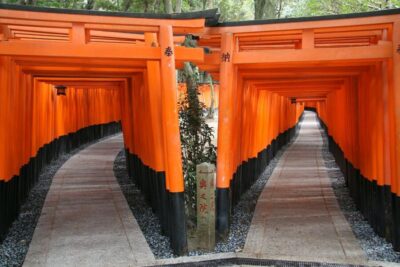
Fushimi Inari, Kinkakuji, Bamboo Grove 1 Day Bus Tour
Read our review →
Meiji Shrine, Asakusa, Skytree Bus Tour and Cruise
Read our review →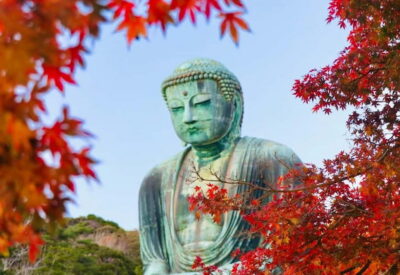
Kamakura & Enoshima Day Trip including Temple Tickets
Read our review →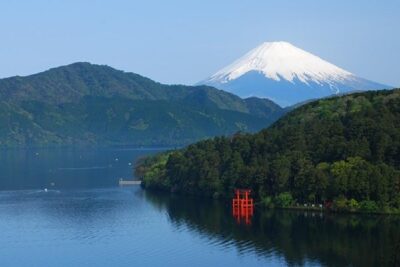
Mt Fuji & Hakone Cruise, Drum Show Bus 1 Day from Tokyo
Read our review →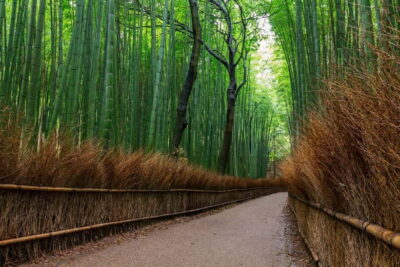
Kyoto/Osaka: Nara, Fushimi Inari Taisha, Arashiyama Bus Tour
Read our review →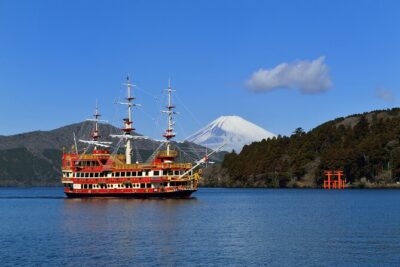
Mt Fuji and Hakone 1-Day Bus Tour Return by Bus
Read our review →Browse the lists this tour appears in