
REVIEW · JAPAN
Osaka/Kyoto: Hiroshima Miyajima Bus Tour & Shinkansen Ticket
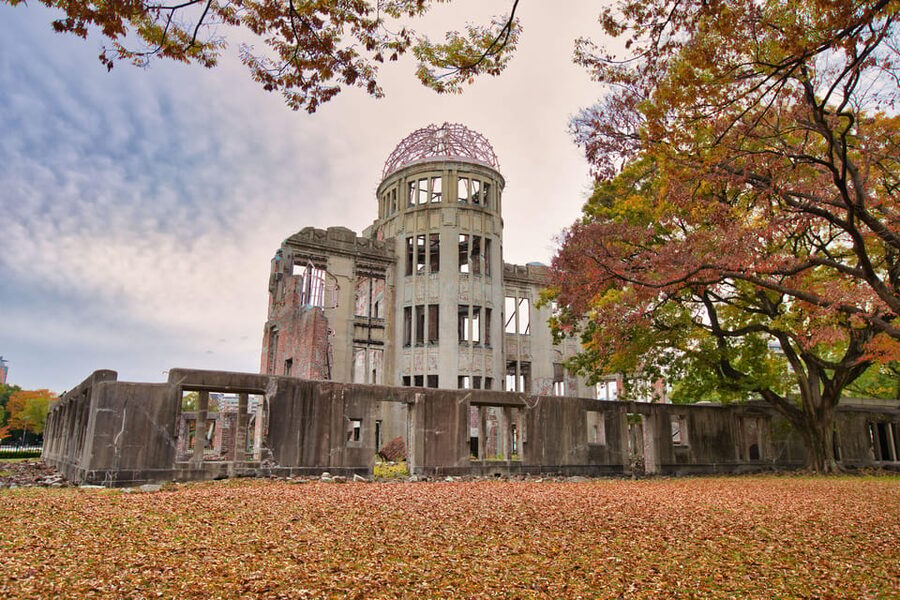
Hiroshima asks you to face one of the darkest events of the 20th century, then gives you Miyajima’s calm sea, deer, shrine, and floating torii gate. That contrast is the heart of this long day trip, and it makes the schedule feel more thoughtful than a simple checklist of sights.
I like the easy transport plan, which links two trains, a tour bus, and ferries without asking you to decode Hiroshima’s local connections. I also like the Hiroshima-style okonomiyaki lunch, served with pork, cabbage, bean sprouts, noodles, and eggs, with several meat-free options available by advance request.
The drawback is time. The Peace Memorial Museum gets about an hour, and that can feel rushed when the building is crowded. Miyajima also deserves more than the allotted free time, so this tour works best as an efficient first look, not a full exploration of either place.
Key points at a glance
- Shinkansen from Osaka or Kyoto: Your round-trip bullet train ticket is provided at the meeting point, making the long journey simple to manage.
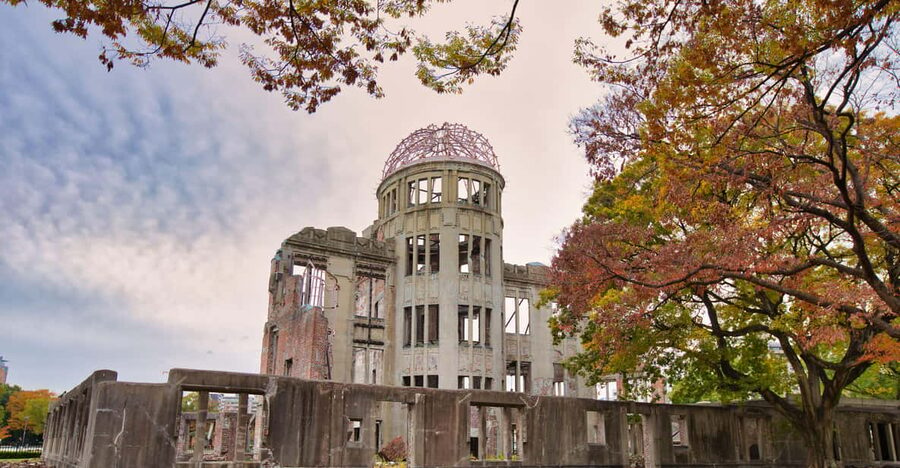
- Atomic Bomb Dome and Peace Memorial Museum: You visit both the outdoor memorial area and the museum, with a guide to provide historical context.
- Okonomiyaki lunch: Hiroshima’s layered local specialty includes noodles and vegetables, with three stated menu choices for dietary needs.
- Ferry to Miyajima: The short crossing gives you a pleasant change of pace after the serious morning in Hiroshima.
- Itsukushima Shrine and free time: You see the famous shrine, then have time to explore Miyajima on your own.
- Practical guided routing: Headsets help you hear the guide, while the bus carries luggage and cuts down on transfers.
Why this Hiroshima day trip works
At $277 per person, this is not a cheap add-on. It is a full transport package built around a very long day: round-trip shinkansen travel, a private tour bus for the Hiroshima portion, two ferry rides, museum and shrine admission, lunch, and an English-speaking guide.
Buying the same train tickets and arranging the route yourself may cost less, depending on your plans and booking choices. But you would need to connect Osaka or Kyoto with Hiroshima, find the bus route to the Peace Memorial Park, reach the ferry terminal, and then return to Hiroshima Station in time for the train home.
I see the real value in time management and local help. Hiroshima and Miyajima are straightforward places once you arrive, but combining them in one day requires careful timing. The tour removes most of that work. Guides such as Joe, Azusa, Hiro, Kane, Masako, and Chikako have been praised for clear explanations, humor, and keeping the group together at busy stops.
This is a shared tour, not a private outing. You travel with other people, use a common bus, and follow a fixed schedule. That keeps the day moving, but you give up the freedom to linger at the museum, shop longer on Miyajima, or change the order of the sights.
A few more bus tours around Japan worth a look
- Tokyo: Kamakura & Enoshima Day Trip including Temple Tickets
★ 4.5 · 1,375 reviews - Kyoto: Full-Day Guided Bus Tour to Top Highlights & Tickets
★ 4.6 · 533 reviews - Hiroshima & Miyajima 1 Day Bus Tour with Bullet Train Tickets
★ 4.5 · 105 reviews
Starting at Shin-Osaka or Kyoto Station
The day begins at either Shin-Osaka Station or Kyoto Station, depending on the option you book. Staff provide your return shinkansen tickets and guide you toward the correct train.
This part matters more than it sounds. Large Japanese stations can feel confusing if you are handling unfamiliar tickets, platforms, and train numbers. The tour staff help you get onto the right service at the start, and the guide or tour team assists with the return journey as well.
The train ride takes about 1.5 hours each way. That gives you a comfortable start, but remember that the total day lasts about 12 hours. You will spend a large part of it sitting on trains and buses, then walking through several sites.
You can bring luggage, which the bus can store in its luggage compartment during the tour. Hotel pickup and drop-off are not included, so you need to reach the chosen station on your own.
Hiroshima Castle and the first look at the city
After arriving at Hiroshima Station, you meet the guide and board an air-conditioned bus. Hiroshima Castle is a scenic drive-by stop rather than a full visit, so treat it as a glimpse of the city rather than a museum stop.
The bus is a useful part of the plan. It carries you between the station, Peace Memorial Park, the lunch restaurant, and the ferry route without making you work out each connection. The ride also gives the guide a chance to explain Hiroshima and Japan before you begin the more emotional part of the day.
The tour uses earphone guides during the walking portions. These let you hear the guide without standing shoulder to shoulder around one person. Handle them carefully, though, because loss or damage can lead to a replacement charge of up to 18,000 yen.
Facing the Atomic Bomb Dome and Peace Memorial Park
The Atomic Bomb Dome is a difficult place to see and an important one. The damaged structure, with its exposed frame and empty windows, gives physical form to the scale of the 1945 atomic bombing. You do not need dramatic narration to understand why the site affects people so strongly.
The scheduled visit to the dome lasts about 30 minutes. That is enough to see the building, walk around the nearby memorial area, and hear the guide place it in context. It is not enough for a slow, private study of every angle or nearby monument.
The tour then continues to the Hiroshima Peace Memorial Museum for about an hour. This is the most demanding stop of the day. The exhibits focus on the bombing, its victims, the physical effects of radiation, and the long human cost. An hour gives you a serious introduction, but not time to read everything carefully.
Crowds can make the museum feel even shorter. Several people have found it hard to move at their own pace when the galleries are busy. If you want to examine every display, this tour will leave you wishing for more time. If you need a structured introduction before returning to Hiroshima independently, it gives you a useful beginning.
The museum is closed on December 30 and 31 and from February 16 through 21. If it is closed, the itinerary substitutes the Hiroshima National Peace Memorial Hall for the Atomic Bomb Victims. That is worth checking before you book if the museum is your main reason for joining.
Same city, a different seat on the bus:
- Mt Fuji and Hakone 1-Day Bus Tour Return by Bullet Train
★ 5.0 · 26,383 reviews - 1-Day Tokyo Bus Tour
★ 5.0 · 14,250 reviews - PERFECT KYOTO 1-Day Bus Tour
★ 5.0 · 13,518 reviews - Peaceful Hiroshima & Miyajima UNESCO 1 Day Bus Tour
★ 5.0 · 5,309 reviews
Hiroshima okonomiyaki at lunchtime
Lunch is Hiroshima-style okonomiyaki, a local specialty built with pork, cabbage, bean sprouts, noodles, eggs, and fish powder. It is prepared as a substantial layered meal rather than a light snack, which suits a day of walking and transfers.
The experience is part of the appeal. The food is prepared in front of you, and the meal gives you a taste of Hiroshima beyond its memorial sites. Several tour days have handled allergies carefully when notice was given in advance, including separate mixtures, sauces, grills, and utensils in one reported case.
You must tell the operator about allergies or dietary restrictions when booking. The stated choices are regular okonomiyaki, a no-pork version with eggs, and a no-pork, no-fish-powder, no-eggs version. Menu changes cannot be made on the day, and you should not bring your own food or drinks into the restaurant.
The lunch stop lasts about 45 minutes. That is enough for the planned meal, but not for a leisurely restaurant visit. The fixed menu and timing are a fair trade for keeping the group on schedule.
Crossing the water to Miyajima
After lunch, the bus takes you toward the ferry. The crossing to Miyajima lasts about 10 minutes, but it changes the mood of the day. Hiroshima’s memorial district is quiet and heavy; the ferry gives you open water, fresh air, and a gradual transition to a historic island setting.
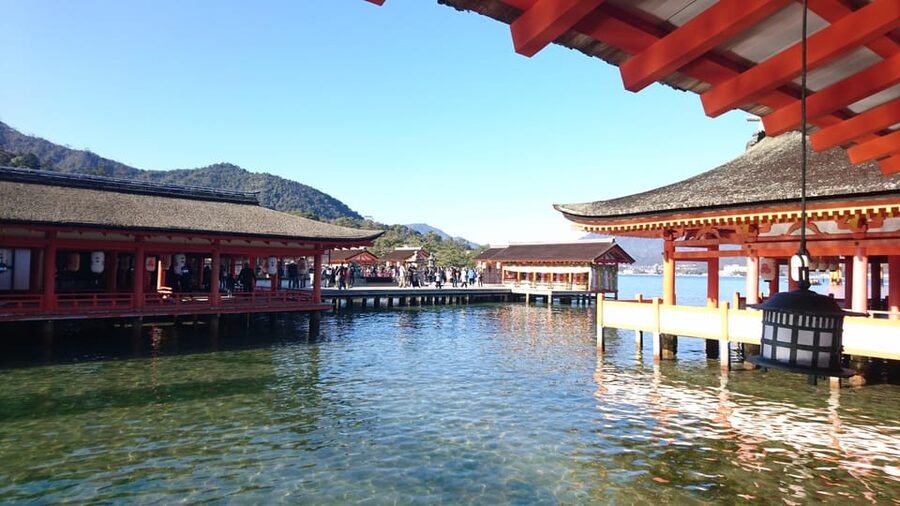
Miyajima is officially Itsukushima, and its Shinto meaning is tied to the way of the gods. The island is best known for Itsukushima Shrine and its great torii gate, which appears to float over the water at suitable tide conditions. The tour includes admission to the shrine, so you do not need to arrange that separately.
The shrine visit lasts about an hour. Guides point out the major features and help you understand why the site is important, but the exact view depends on the tide and the day’s crowd levels. The island can be very busy, especially around the shrine and food streets, so keep track of the guide and meeting instructions.
Making good use of Miyajima free time
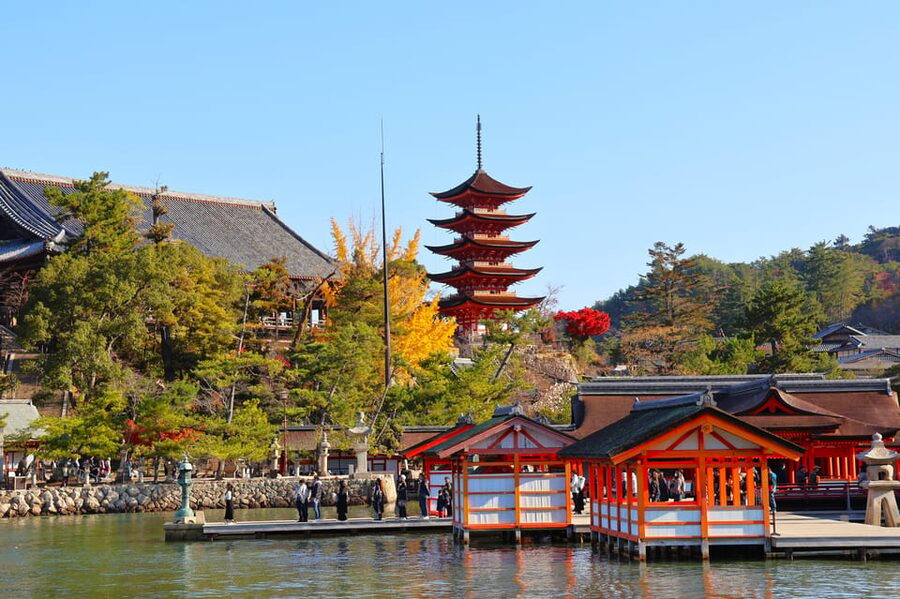
After the guided shrine visit, you get about an hour of free time on Miyajima. This is one of the tour’s nicest features because you can choose your own small adventure rather than follow the group every minute.
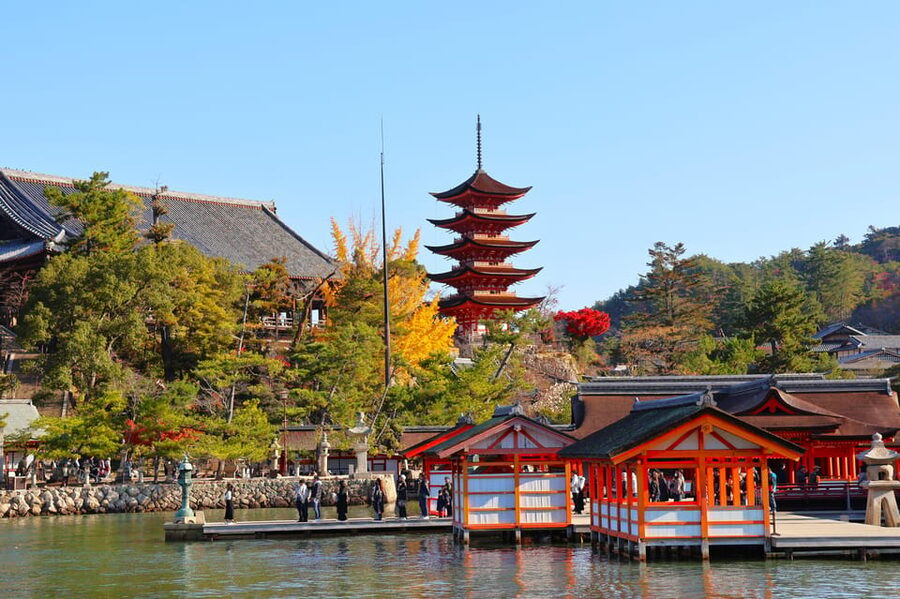
You might browse local food stalls, look for maple cakes, try fried oysters, or enjoy a lemon beer. Friendly deer are part of the island scene, and you may also find pagodas and smaller temples during a short walk.
The free period is long enough for a snack, photographs, and a quick look beyond the main shrine area. It is not long enough for a serious mountain hike or a full island visit. One useful approach is to decide in advance what matters most: food, the torii gate, shopping, temple buildings, or a short walk.
The order of the day is sensible. Hiroshima comes first, then Miyajima provides a more peaceful ending. After the museum, the island’s water, woods, shrine architecture, and open time help you process what you have seen without finishing the tour on the heaviest note.
Returning by ferry, bus, and bullet train
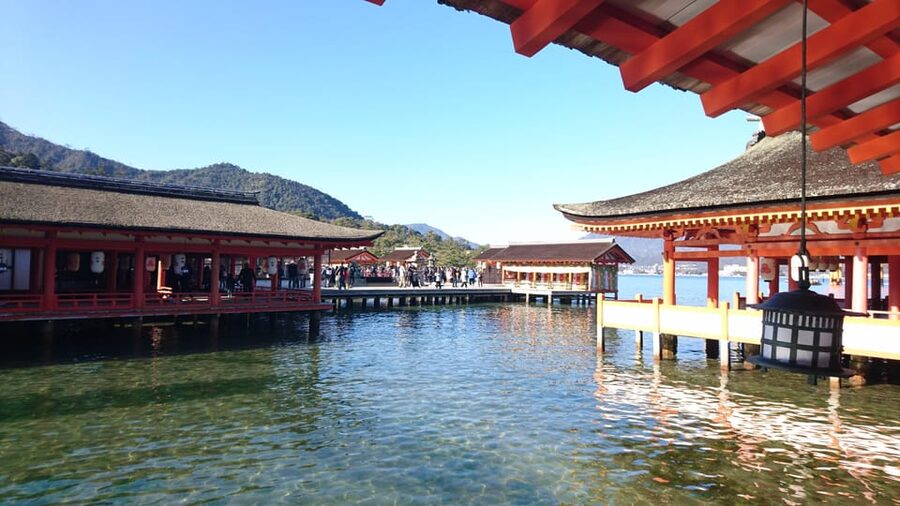
You take the ferry back, board the bus for roughly 50 minutes, and pass through Hiroshima on the way to the station. The guide helps organize the return to Hiroshima Station before you board the shinkansen for Osaka or Kyoto.
The return train is a good chance to rest, though the day may catch up with you. A few schedule issues can happen on any long rail journey, and one reported return train arrived in Kyoto 18 minutes late. The tour team can help with ticket questions, but you should avoid scheduling a tight evening reservation immediately after arrival.
The return drop-offs are Kyoto Station and Shin-Osaka Station. There is no hotel transfer, so plan your final trip back to your accommodation, especially if you are tired or carrying luggage.
What the guides add to the day
The guide can make or break a packed itinerary, and this experience uses a rotating team. Joe, Kane, Hiro, Azusa, Tom, Miyuki, Masako, Chikako, and others have led different departures.
The strongest pattern is a mix of historical explanation, local anecdotes, humor, and practical care. Hiro has been singled out for explaining a difficult subject with warmth, while Joe is known for personal stories, trivia on the bus, and helping people get more from their Miyajima time. Azusa and Kane have also received praise for clear delivery and calm organization.
Do not expect every guide to give the same talk. The tour is in English, but style and depth will vary by person. The earphones are a real advantage because you can hear while walking, even when the group is spread out.
The subject needs a respectful tone. Humor may appear during the travel portions, but the Peace Memorial sites deserve quiet attention. A good guide helps you understand the events without turning the museum into a rushed lecture.
Walking, crowds, and who should book
This is an active day with walking at the memorial park, museum, shrine, station areas, ferry terminals, and Miyajima. There are also steps and uneven surfaces in parts of the island route. The tour is not suitable for wheelchair users, and anyone with walking difficulties should avoid booking it.
You should also prepare for changing conditions. Hiroshima and Miyajima may be crowded, the museum can be hard to move through, and the day may feel hot or tiring. Wear comfortable shoes and keep your personal plans after the tour flexible.
I would recommend this trip to you if you have limited time in Japan and want one organized day covering Hiroshima’s central memorial sites and Miyajima. It is especially useful if the idea of managing the shinkansen, local transport, ferry, admissions, lunch, and return timing feels like too much work.
I would not choose it if you want quiet reflection, long museum visits, or a relaxed island day. In that case, stay overnight in Hiroshima or give each destination its own day. The tour offers range and convenience, not depth.
Is the $277 price fair?
The price makes sense when you count the included pieces: round-trip shinkansen travel from Kyoto or Osaka, air-conditioned bus transport, two ferry rides, two admission tickets, lunch, and a live English-speaking guide.
The package also protects you from wasting time between major stops. That is valuable on a 12-hour day, particularly for a first visit. You are paying for coordination as much as for tickets.
The tradeoff is control. You cannot extend the museum visit when a display catches your attention, and you cannot stay on Miyajima until sunset. The tour’s value rises if you want efficiency and falls if you prefer to set your own pace.
Should you book this Hiroshima and Miyajima tour?
Book it if you want to connect Osaka or Kyoto with Hiroshima and Miyajima in one carefully managed day. You will see the Atomic Bomb Dome, Peace Memorial Museum, Itsukushima Shrine, and Miyajima’s food streets without arranging a complicated sequence of trains, buses, and ferries.
Skip it if you can stay overnight and want time to absorb the museum properly or explore Miyajima beyond the main shrine district. For most first-time visitors with only one free day, though, the tour offers a practical and emotionally balanced introduction. Just accept the early start, the long ride home, the crowds, and the fact that both Hiroshima and Miyajima will leave you wanting another day.
FAQ
How long does the tour last?
The experience lasts about 12 hours, including the train journeys, bus transfers, ferry rides, guided visits, lunch, and free time on Miyajima.
Where can I start the tour?
You can start at Shin-Osaka Station or Kyoto Station, depending on the option you book. The meeting point can vary by option.
Is the shinkansen ticket included?
Yes. The tour includes a round-trip shinkansen ticket from either Kyoto or Osaka.
Is lunch included?
Yes. Hiroshima-style okonomiyaki is included. The stated meal contains pork, cabbage, bean sprouts, fish powder, noodles, and eggs, with other menu choices available if requested in advance.
Can dietary restrictions be accommodated?
Yes, but you must provide the information when booking. Options include no pork, no pork with no fish powder, and no eggs. Menu changes cannot be made on the tour day.
What happens if the Peace Memorial Museum is closed?
If the museum is closed, the tour visits the Hiroshima National Peace Memorial Hall for the Atomic Bomb Victims instead. The museum is listed as closed on December 30 and 31 and from February 16 through 21.
Is the tour suitable for wheelchair users?
No. The tour is not suitable for wheelchair users and involves a lot of walking.
Just added around Japan
- Fukuoka Open Top Bus and Hakata Doll Painting Experience with Guide★ 3.5 · 3 reviews
- Huis Ten Bosch Full Day Bus Tour From Hakata★ 3.5 · 3 reviews
- Tokyo: A Half-Day Trip Bus Tour in the Morning★ 4.6 · 236 reviews
- 3-Row Luxury Bus Tour to Mt. Fuji, Lake Kawaguchi from Tokyo★ 4.3 · 3 reviews
- Tokyo: 1 Day Bus Tour with Meiji-Jingu,Odaiba,lunch&Skytree★ 4.6 · 156 reviews
- Full Tokyo: Meiji Shrine, Imperial Palace, Asakusa & Skytree★ 4.4 · 7 reviews
- Tokyo: Mount Fuji Views and KABA Amphibious Bus Day Tour★ 5.0 · 4 reviews
- Shirakawago and Takayama 1 Day Bus Tour from Nagoya★ 4.5 · 2 reviews
Japan Bus Tours, compared.

Mt Fuji and Hakone 1-Day Bus Tour Return by Bullet Train
Read our review →
Peaceful Hiroshima & Miyajima UNESCO 1 Day Bus Tour
Read our review →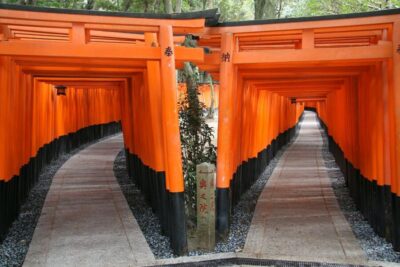
Fushimi Inari, Kinkakuji, Bamboo Grove 1 Day Bus Tour
Read our review →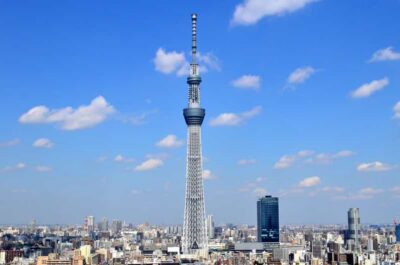
Meiji Shrine, Asakusa, Skytree Bus Tour and Cruise
Read our review →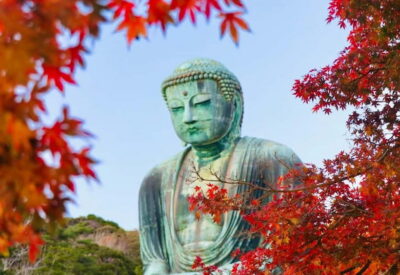
Kamakura & Enoshima Day Trip including Temple Tickets
Read our review →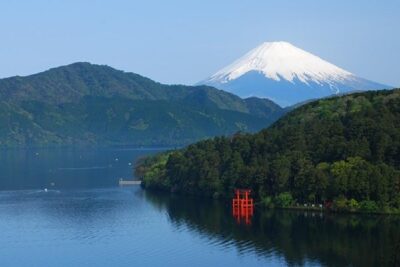
Mt Fuji & Hakone Cruise, Drum Show Bus 1 Day from Tokyo
Read our review →
Kyoto/Osaka: Nara, Fushimi Inari Taisha, Arashiyama Bus Tour
Read our review →Browse the lists this tour appears in