
REVIEW · SOUTH KOREA
Jeju: East of Jeju Island Bus Tour from Seogwipo City
Eastern Jeju gives you Jeju in one well-packed day: a traditional village, a volcanic peak, coastal roads, haenyeo culture, and a beach with startlingly clear water. The most memorable part is the contrast between Seongeup’s stone-walled village life and the broad sea views around Seongsan Ilchulbong.
I like that the tour leaves from Seogwipo rather than forcing you to cross the island to Jeju City. I also like the balance between guided explanations and time to walk, look around, and take photographs. Fabio, the guide, is especially good at adding context about Jeju’s people, customs, and past.
The day is long, at 570 minutes, and the schedule includes stairs and walking at Sunrise Peak. Manjanggul Cave is temporarily closed until March 2026 because of falling rocks, so you should expect an alternative stop if you visit before it reopens.
Key points at a glance
- A rare Seogwipo departure: Pickup is available from hotels in Seogwipo’s old town, with Casaloma Hotel serving as the central meeting point for some accommodations.
- Fabio leads the day: He provides English and Korean commentary, with a friendly, flexible style and strong knowledge of Jeju’s culture and local life.
- Seongsan Ilchulbong requires effort: You can walk toward the famous tuff cone and crater, but the route includes steps and can be windy.
- Haenyeo culture gets real attention: The Haenyeo Museum adds meaning to any coastal sighting or scheduled performance.
- The cave plan may change: Manjanggul Cave is closed until March 2026, with Hamdeok Beach and Seopjikoji used as alternatives when needed.
- Pack for Jeju weather: Bring a wind jacket, rain protection in summer, and an umbrella for sun on clear days.
Why this eastern Jeju tour works from Seogwipo
Jeju’s main sights are spread across the island. Public transport can make a day of eastern Jeju slow and awkward, especially if you want to combine a folk village, Seongsan Ilchulbong, a museum, and coastal stops. A guided vehicle solves that problem without requiring you to rent a car.
This is also one of the more useful options if you are based in Seogwipo. The main pickup point is Seogwipo Maeil Olle Market, and free hotel pickup may be available in the old town. If your hotel is outside the central pickup area, Casaloma Hotel is used as the meeting point. Confirm the exact arrangement the day before.
The group is limited to 12 people, although the vehicle can vary from a family-size van to a larger minibus or bus depending on the group. Recent experiences have often used a clean, spacious minivan. That matters on a nine-and-a-half-hour day, when cramped seats would quickly become tiring.
At $88 per person, the value is strongest if you would otherwise need to arrange a rental car, fuel, parking, entrance fees, and an English-speaking guide. Admission to the parks is included, as are fuel and parking. Lunch is not included, and you will also pay for drinks, snacks, and personal purchases.
A few more bus tours around the world worth a look
- Rome: City Sightseeing Hop-on Hop-off Bus with Audioguide
★ 4.0 · 16,045 reviews - Barcelona: City Sightseeing Hop-On Hop-Off Bus Tour
★ 4.4 · 10,061 reviews - City Sightseeing London Hop-On Hop-Off Bus & Bookable Extras
★ 4.4 · 7,374 reviews
Seongeup Folk Village: a useful start to the day
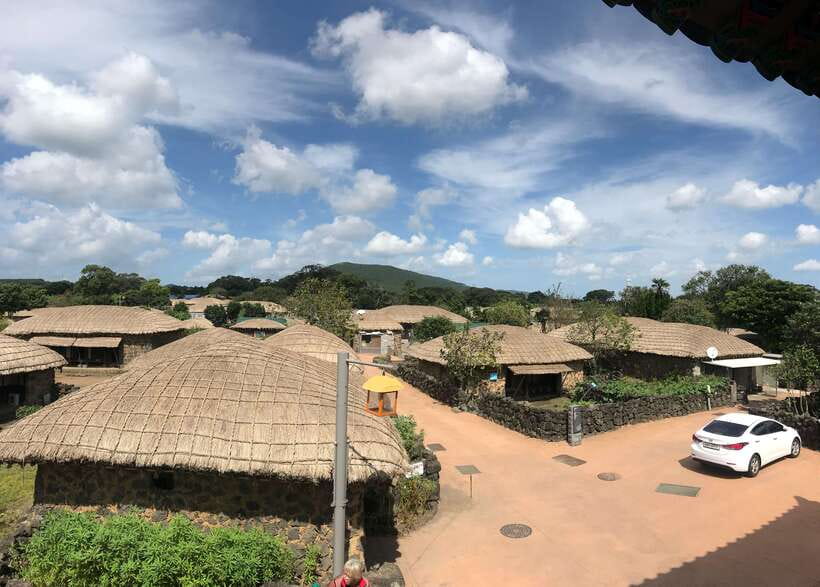
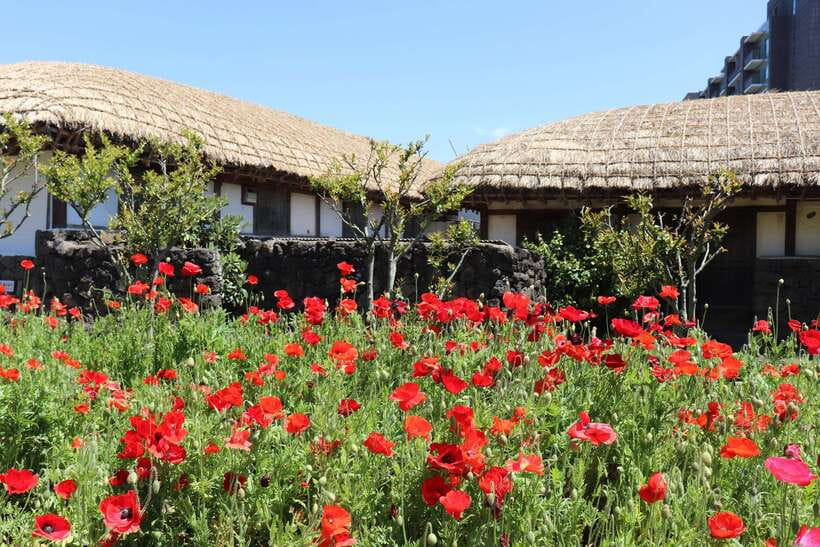
The first major stop is Seongeup Folk Village, about 50 minutes from Seogwipo. You have around 40 minutes with a guide, enough to get a clear sense of Jeju’s older rural traditions without spending half the day in a museum.
The village is known for its traditional stone walls and houses, and it remains a lived-in place rather than a stage set built only for visitors. Fabio uses the stop to explain Jeju customs and everyday life. This makes it more useful than simply taking photographs of old buildings.
I would pay attention to the practical details here: the way stone is used, the shape of the homes, and how the village reflects Jeju’s windy climate. The stop also gives you cultural context before the day turns toward the coast and volcanic scenery.
Forty minutes is not enough for a slow, independent exploration of every corner. Still, that limit helps keep the entire day moving. If you prefer a long, quiet visit in one village, this tour may feel brisk. If you want a broad introduction to eastern Jeju, the timing is sensible.
The coastal road to Seongsan Ilchulbong
After Seongeup, the vehicle heads toward the coast for roughly 30 minutes. The drive matters because it links the inland village to Jeju’s ocean-facing eastern side. Fabio also uses the approach to explain Seongsan Ilchulbong before you arrive.
A short stop at Gwangchigi Beach provides the first proper view and helps you understand the shape of Sunrise Peak. From this angle, the volcanic cone looks like a piece of land pushed up from the sea, with its slopes shaped by volcanic forces and later weathering.
The shore here can be windy, even on an otherwise pleasant day. Bring a jacket that blocks wind, not just a thin sweater. A clear day can be bright, so an umbrella is useful for shade if you do not want to stand in direct sun.
Walking at Seongsan Ilchulbong
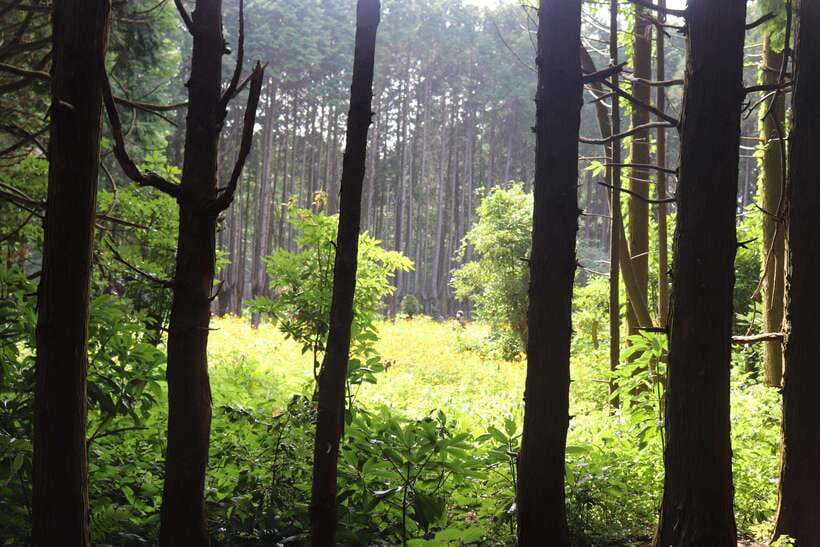
Seongsan Ilchulbong is the visual centerpiece of the day. The UNESCO World Natural Heritage site is a tuff cone, formed by volcanic activity and shaped by wind and waves. The route gives you views of the sea, the surrounding coast, and the broad volcanic crater.
You have about an hour here. That usually allows time for a meaningful walk, but not an unhurried hike with long pauses at every viewpoint. The route includes stairs, and the combination of steps, wind, and sun can make this the most physically demanding part of the tour.
You do not need to treat the walk as a race. Take the time you have, keep water handy, and turn back if the conditions feel too tiring. The supplied information specifically warns that the tour includes considerable walking and stairs, so it is not ideal for anyone who needs a flat, low-effort outing.
A haenyeo performance may take place near the end of the trail. These women divers are a major part of Jeju’s cultural identity, but the performance is not guaranteed. Weather determines whether it can go ahead. You may also spot haenyeo working in the sea from the vehicle along the Jongdal-ri coastal road, which can be a special moment because it shows the tradition as present-day work rather than a staged display.
Same city, a different seat on the bus:
- Mt Fuji and Hakone 1-Day Bus Tour Return by Bullet Train
★ 5.0 · 26,383 reviews - Barcelona: 24 or 48-Hour Hop-On Hop-Off Bus Tour
★ 4.4 · 20,872 reviews - London: Warner Bros. Studio Harry Potter Tour & Branded Bus
★ 4.7 · 19,194 reviews - Amsterdam: Zaanse Schans, Edam, Volendam & Marken Bus Tour
★ 4.6 · 15,034 reviews
Haenyeo Museum: putting the coast in context
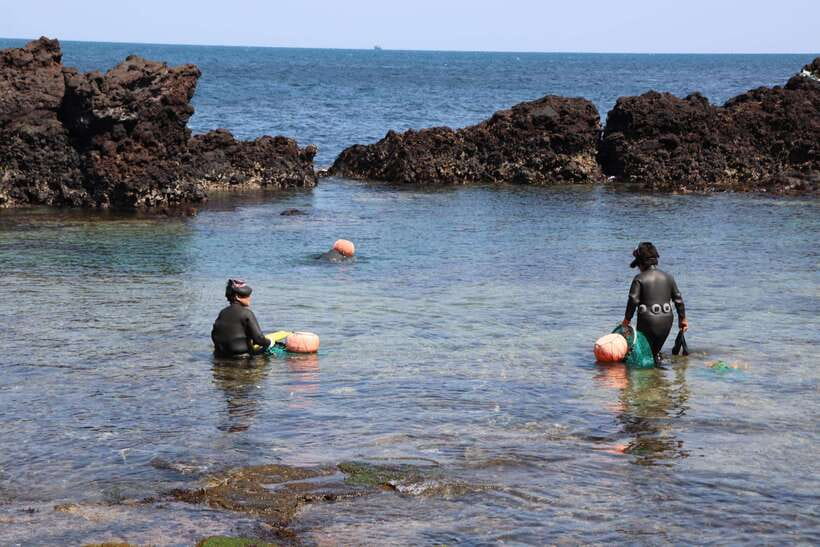
The Haenyeo Museum is about 30 minutes from Seongsan Ilchulbong, followed by a guided visit of around 50 minutes. This is an important part of the day because the museum explains the people behind the coastal scenes.
Haenyeo are Jeju women who traditionally harvest seafood from the sea without modern breathing equipment. The museum explores their work, community, and place in Jeju culture. Their tradition is recognized as intangible cultural heritage of humanity.
I like this stop because it prevents the tour from treating the haenyeo as a quick photograph. If you happen to see women working from the roadside, you will have a better understanding of what you are seeing and why it matters.
The museum also gives you a break from exposed coastal weather and uphill walking. The overall day has a strong outdoor focus, so a quieter indoor stop helps the rhythm. It is also a good place to ask Fabio questions about Jeju society, language, and history.
Woljeongri Beach and the eastern coast
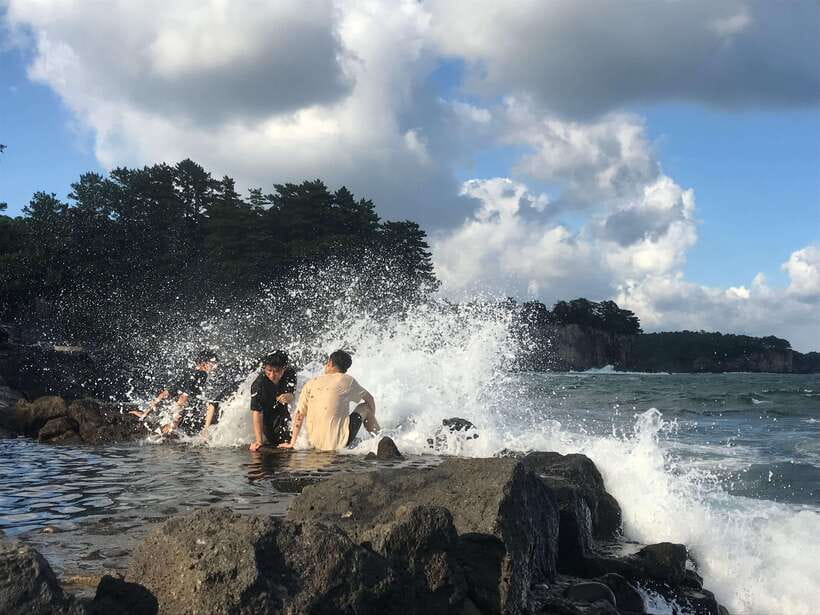
The route continues toward Woljeongri Beach, with about 30 minutes of free time. Woljeongri is smaller than Jeju’s major resort beaches, but its appeal is the color of the water and the relaxed coastal setting.
This is a short stop, so use it for a walk, photographs, or a pause near the shore rather than expecting a full beach afternoon. The beach adds a softer, more restful note after Seongsan’s climb and the museum’s cultural material.
The itinerary includes several short vehicle transfers, including a 15-minute drive to the museum area and about 10 minutes onward toward the cave route. These brief hops keep the day varied, but they also mean you are changing places often. If you prefer to settle into one location for several hours, this format will feel busy.
Manjanggul Cave and the current closure
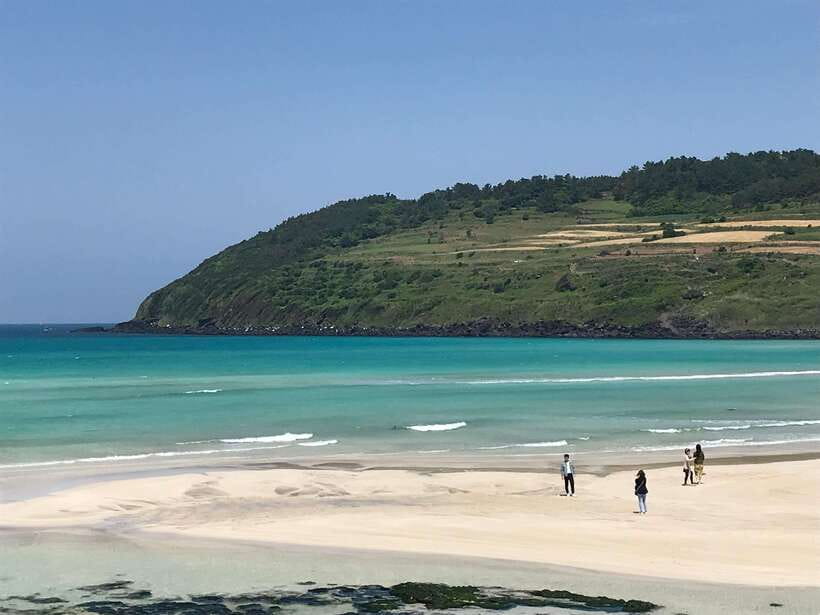
Manjanggul Cave is Jeju’s second World Natural Heritage site and was created by the island’s volcanic activity. When open, the planned visit lasts about an hour and offers a very different experience from the coast: cool, dark, underground, and shaped by ancient lava flows.
There is an important practical catch. Manjanggul Cave is closed temporarily until March 2026 because of falling rocks. Do not book this trip assuming the cave will be available before that date.
The replacement plan may include Hamdeok Seowoobong Beach and Seopjikoji, or Hamdeok Beach alone depending on the day and conditions. Hamdeok is described as one of Jeju’s most beautiful beaches, with white sand and clear water. You may also have the option to walk Seoubong Peak, known for sunset views.
This is not an equal substitute in terms of subject. Manjanggul is a volcanic cave, while Hamdeok and Seopjikoji keep you outdoors by the sea. The alternative does, however, preserve the tour’s mix of nature and scenery. Weather can also affect the route, so treat the final stop as flexible.
A long day made easier by the guide
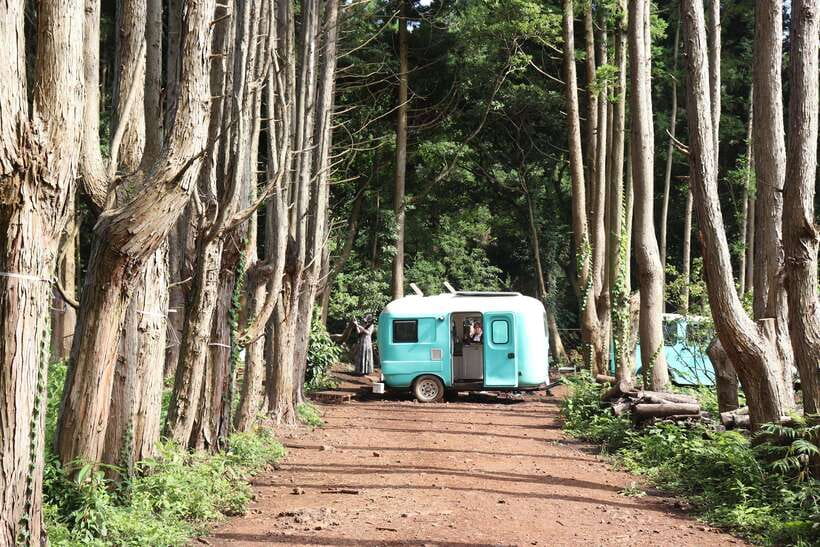
The tour runs for 570 minutes, or nine and a half hours. That is a serious day, but the route is arranged so you are not trapped in the vehicle for long uninterrupted stretches.
Fabio’s role is central. He explains the sites, answers questions, and adjusts timing when conditions or group preferences allow. His style is described as warm, humorous, and well organized. He has also helped participants arrange taxis at the end of the day, which is useful if your accommodation is not right by the final drop-off point.
The guide’s local connection adds value beyond directions. You hear about Jeju’s past, its people, infrastructure, language, and present-day life. That wider context is why the tour feels like more than a transfer between scenic stops.
The group size helps as well. A small group makes it easier to ask questions, pause briefly for a roadside sighting, or adjust the pace when heat and wind become uncomfortable. It cannot guarantee a private tour, but a maximum of 12 people is more manageable than a large coach group.
Food, clothing, and what to bring
Lunch is not included, so budget for a meal and carry water or small snacks. The schedule includes time that can be adjusted around eating, but you should not expect a restaurant meal to be part of the $88 price.
Pack light but prepare for changeable weather:
- A wind jacket is essential, especially at Seongsan Ilchulbong and along the coast.
- In summer, bring rain protection and footwear that can handle wet conditions.
- An umbrella helps on sunny days as well as rainy ones.
- Wear comfortable shoes for stairs, paths, and beach walking.
- Bring water, since the day includes outdoor walking and exposed viewpoints.
The tour is not suitable for people over 95, and anyone with limited mobility should ask about the walking sections before booking. Fabio may adjust the pace, but Seongsan Ilchulbong itself remains a hill and stair-based stop.
Who should book this tour?
I would choose this tour if you are staying in Seogwipo and want to see eastern Jeju without renting a car. It suits solo visitors, couples, families with older children, and anyone who wants cultural explanation along with scenery.
It is especially useful for people who want more than a list of viewpoints. The village, museum, and haenyeo-related stops give the coast a human story. You also get a guide who can explain what you are seeing instead of leaving you to decode it from signs.
The tour is less suitable if you want a slow beach day, dislike stairs, or need a fixed schedule that cannot change with wind and weather. The haenyeo performance is not guaranteed, and the cave is closed until March 2026. Those limits should be part of your decision, not an afterthought.
Should you book the eastern Jeju tour?
Book it if your base is Seogwipo, your time is limited, and you want a practical blend of Jeju culture, volcanic scenery, and coast. The $88 price is fair when you count transport, admissions, fuel, parking, and a full day with an English-speaking guide.
I would be most comfortable recommending it to someone who values local explanation and a small group over complete independence. Fabio’s attention to timing, roadside haenyeo sightings, weather, and individual needs adds real value.
Before booking, confirm the pickup point and the current final stop. If you visit before March 2026, expect Hamdeok Beach or another listed alternative instead of Manjanggul Cave. With that understood, this is a strong way to see eastern Jeju from the more convenient Seogwipo side.
FAQ
Where does the tour start?
The main meeting point is Seogwipo Maeil Olle Market. Free pickup may be available from hotels in Seogwipo’s old town, and Casaloma Hotel is used for some accommodations outside the central area.
How long does the tour last?
The tour lasts 570 minutes, or about nine and a half hours.
What languages are available?
The tour offers English and Korean, with a licensed English-speaking guide.
Is this a small-group tour?
Yes. The group is limited to 12 participants, although the exact vehicle can vary with group size.
Is transportation included?
Yes. Transportation, gasoline, parking fees, and admission fees for the included parks are provided.
Is lunch included?
No. Lunch, drinks, snacks, and private expenses are not included.
Is Manjanggul Cave open?
Manjanggul Cave is temporarily closed until March 2026 because of falling rocks. The route uses an alternative such as Hamdeok Beach and Seopjikoji during the closure.
Can I see a haenyeo performance?
A haenyeo performance may take place near the end of the Sunrise Peak trail, but it depends on the weather and is not held every day.
Is there much walking?
Yes. The tour includes walking and stairs, particularly at Seongsan Ilchulbong. Comfortable shoes and weather protection are important.
Can I cancel the booking?
You can cancel up to 24 hours in advance for a full refund. The reserve-now, pay-later option is also available.
Just added around the world
- 2 Days 1 night Sapa Tour from Hanoi by Limousine/Sleeper bus★ 4.5 · 6 reviews
- Halong Bay Luxury Cruise Day trip: Buffet lunch, limousine bus★ 5.0 · 2 reviews
- Hoa Lu – Tam Coc Luxury Small group 1D: Limousine bus, biking, boat trip, Lunch★ 5.0 · 6 reviews
- Halong Bay Luxury cruise Day trip: Buffet Lunch, Limousine bus★ 5.0 · 25 reviews
- Halong bay Luxury Cruise Day trip: Buffet lunch & Limousine bus★ 5.0 · 3 reviews
- Limousine Bus Transportation from Hanoi to Sapa★ 5.0 · 2 reviews
- From Hanoi- Halong Bay 1 Day Save Cost With Limousine Bus Option★ 5.0 · 8 reviews
- Halong bay Luxur Cruise Day trip: Buffet lunch & Limousine bus★ 5.0 · 21 reviews
South Korea Bus Tours, compared.
Jeju Island: Full-Day East Jeju Bus Tour with Entry Fees
Read our review →
Jeju Island: Full-Day SouthWest Bus Tour with Entry Fees
Read our review →
Jeju Southern: Mt.Hallasan and UNESCO Geopark Bus Tour
Read our review →
Jeju EAST Course : UNESCO (Seongsan-ilchulbong) BUS TOUR
Read our review →
Jinju Namgang Yudeung Festival Bus tour from Busan
Read our review →
Daegu Hop on Hop off City Tour Bus Discount Ticket (내국인불가)
Read our review →Browse the lists this tour appears in