
REVIEW · JAPAN
From Tokyo: Kamakura, Great Buddha, and Enoshima Bus Tour
Kamakura’s 13.5-meter Great Buddha is the star of this outing, but the best part is the variety packed into one day. You move from samurai-era shrines to a seaside island, then return to Tokyo for Senso-ji, Nakamise-dori, and the bright rush of Shibuya Crossing.
I like the included Enoden railway ride, a short but memorable trip beside the ocean, and the useful mix of guided transport and free time. You can look around at your own pace instead of being marched from one photo stop to the next. The trade-off is time: Enoshima and the Great Buddha may feel rushed, especially if you want the island’s observation lighthouse or a slow meal.
Key points at a glance
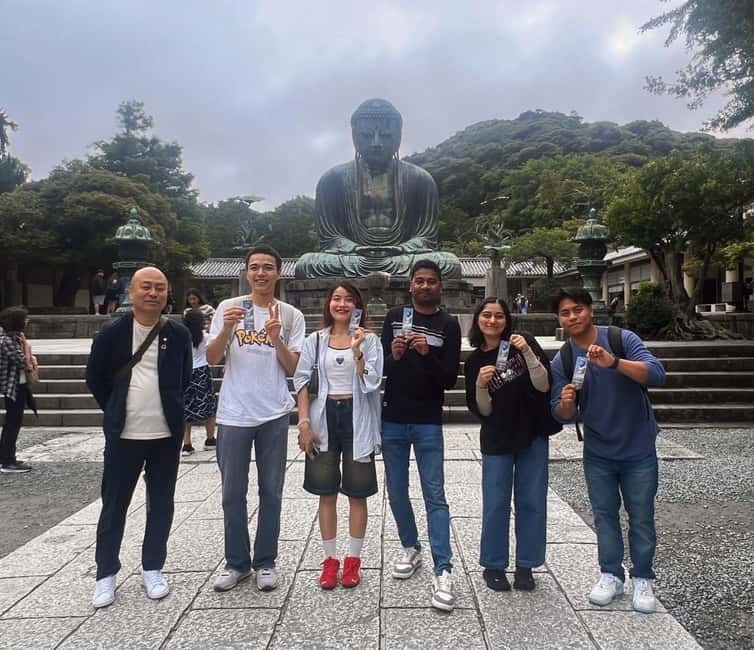
- Great Buddha of Kamakura: See the weathered copper statue, a national treasure that measures 13.5 meters high. Entry inside costs an extra 50 yen.
- Enoden by the sea: Ride the one-car Enoshima Electric Railway and possibly spot Mount Fuji or the famous Slam Dunk railroad crossing.
- Samurai-era Kamakura: Visit Tsurugaoka Hachimangu, with its ponds, gardens, and long connection to the Kamakura Period.
- Two Tokyo moods: Explore old Tokyo around Senso-ji and Nakamise-dori, then finish near modern Shibuya Crossing.
- Free time matters: The schedule leaves room to explore on your own, but some stops may not allow enough time for every side trip.
- Practical value: At $75 per person, the price covers transport, the Enoden ticket, Great Buddha admission, and the Tokyo Metro ride from Asakusa to Shibuya.
From Shinjuku to Kamakura’s Great Buddha
Your day begins at 7:30 in front of the Shinjuku Center Building, about a seven-minute walk from JR Shinjuku Station. Look for the LIMON staff member in a yellow jacket, vest, or shirt. The bus leaves strictly at 7:40, so this is not the morning to cut things close.
The vehicle depends on the number of people booked. It may be a bus or another air-conditioned vehicle, but the point is the same: you avoid piecing together several train routes before breakfast. Hotel pickup is not included, so you need to make your own way to Shinjuku.
Kamakura was once the political center of Japan under the samurai government. The tour gives you a quick look at that older Japan before shifting to the coast and back to Tokyo. It is a broad introduction rather than a slow historical study, so I would choose it for range and convenience.
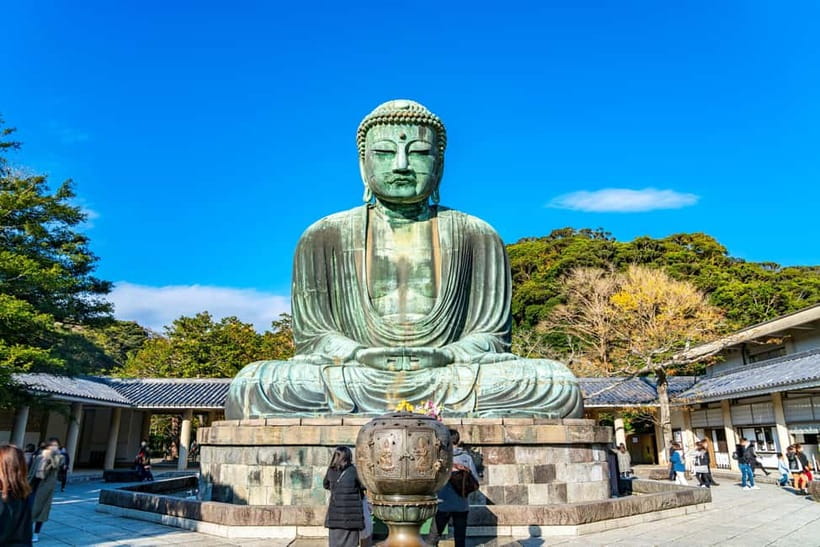
The Great Buddha is an impressive first stop. The seated bronze figure is 13.5 meters tall and roughly four stories high. It was originally covered in gold leaf, but centuries of exposure to earthquakes, typhoons, and open air have left the statue with its familiar copper-colored patina.
You will have time to admire the statue and take photographs, but do not expect a long museum visit. For an additional 50 yen, paid on site, you can enter the Buddha and read about its construction. That small extra charge is worth considering if you want more than the standard courtyard view.
The main limitation here is time. If you want to study the statue closely, enter it, and linger around the grounds, you may need to keep an eye on your watch. This is a stop designed to fit into a much larger day.
A few more bus tours around Japan worth a look
- Mt Fuji and Hakone 1-Day Bus Tour Return by Bullet Train
★ 5.0 · 26,383 reviews - 1-Day Tokyo Bus Tour
★ 5.0 · 14,250 reviews - PERFECT KYOTO 1-Day Bus Tour
★ 5.0 · 13,518 reviews
Enoshima’s shrine road and seaside views
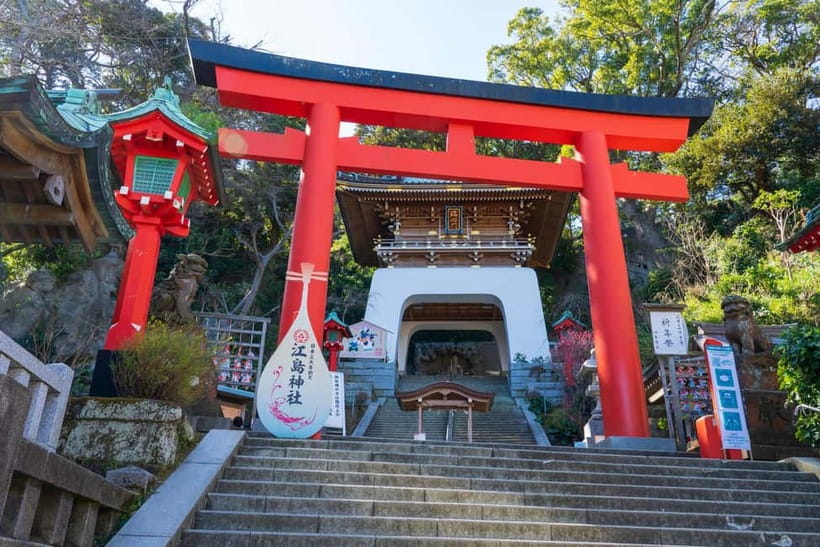
From Kamakura, the route continues to Enoshima, a small island area known for its shrine, sea views, food, and souvenir shops. Nakamise-dori leads toward Enoshima Shrine and gives you a chance to browse local snacks and small gifts.
Enoshima Shrine is linked with three sister goddesses associated with the sea, water, good luck, finance, and the arts. Even if you are not visiting for religious reasons, the shrine offers a useful glimpse into how sacred places remain part of everyday Japanese life.
The practical question is how much of Enoshima you will see. The island has more to offer than a quick walk along its main approach, and the observation lighthouse requires extra time. The schedule may not allow you to reach it, especially if you stop for food or shopping.
That makes Enoshima a good place to set priorities. If you want photographs of the coast, focus on the sea-facing sections. If you prefer food and souvenirs, Nakamise-dori gives you an easy target. Trying to do everything can leave you hurrying.
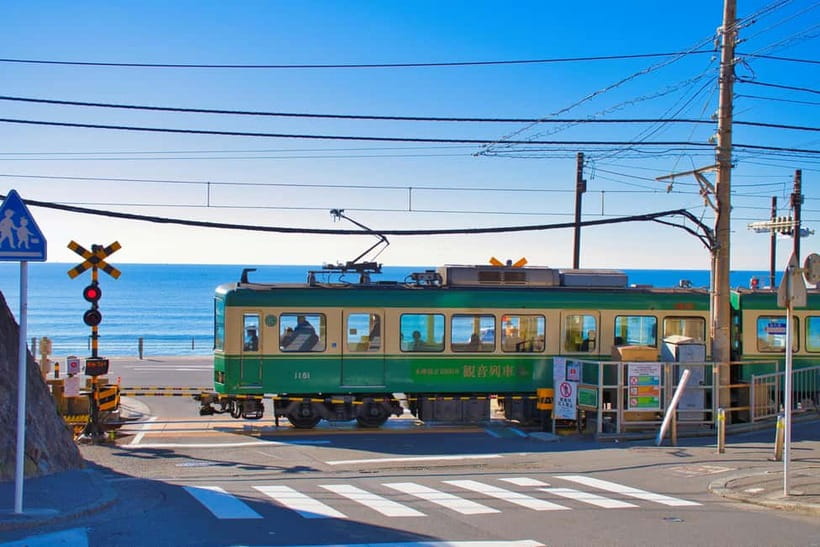
The day’s most distinctive transport segment follows: the Enoshima Electric Railway, often called Enoden. This retro one-car train runs along the coast and provides a welcome change from road travel. Look out toward the water, and on a clear day you might catch a view of Mount Fuji across the bay.
You may also recognize the famous railroad crossing associated with the anime Slam Dunk. The train ride is not long, but it adds a real sense of place. You are not simply being driven between attractions. You are using a local railway that connects the coastal towns.
Tsurugaoka Hachimangu and the samurai past
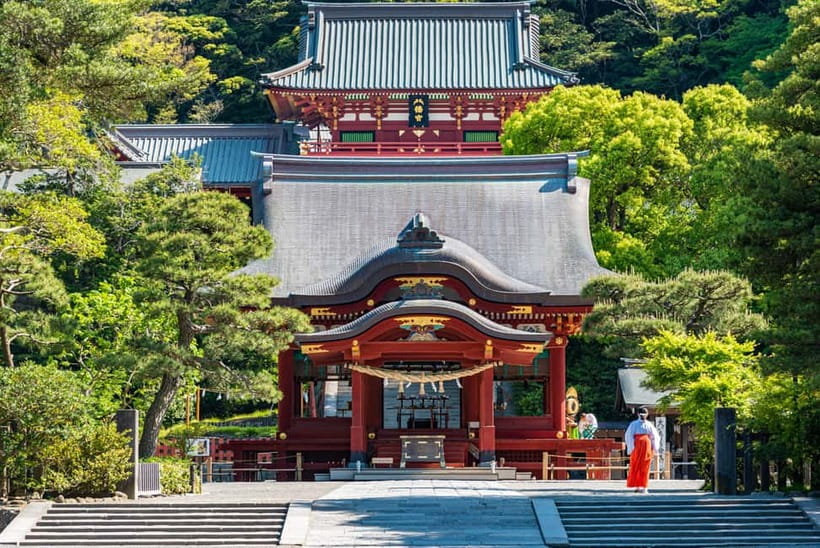
The Enoden takes you onward to Tsurugaoka Hachimangu Shrine, Kamakura’s major Shinto shrine. Founded more than 800 years ago during the Kamakura Period, it was closely tied to the samurai government that made Kamakura its base.
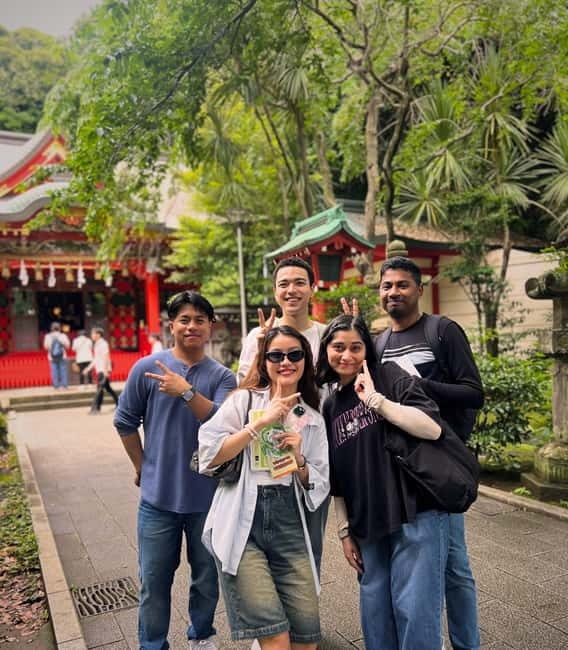
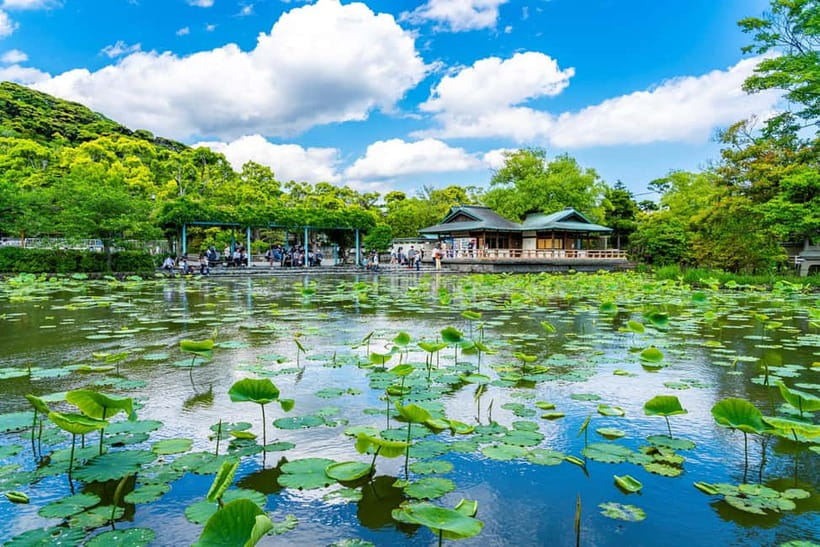
The approach and shrine grounds give the day a calmer rhythm after Enoshima. Look for the Japanese pond and garden, and take time to notice the open spaces around the shrine. This is a place for quiet observation rather than a rapid checklist of buildings.
Tsurugaoka Hachimangu also keeps its samurai connection alive through the annual Yabusame ritual, in which mounted archers shoot at targets from horseback. You will not necessarily see this event during your tour, but knowing about it helps explain why the shrine remains so closely linked with warrior culture.
This stop is especially useful if you want historical context but do not have time for a separate Kamakura visit. The drawback is that the day gives you only a sample of the city. Kamakura has many temples and shrines, while this tour focuses on the Great Buddha and Tsurugaoka Hachimangu.
The amount of independent time is one of the outing’s strengths. You can take your own photographs, pause at the pond, and look around without needing to follow a guide every second. At the same time, the tour’s spoken explanation may vary. English and Japanese are offered, but clear, flowing conversation is not guaranteed with every guide.
Asakusa, Senso-ji, and Nakamise-dori
After Kamakura, the route heads back into Tokyo for Asakusa. This is a smart contrast. You begin with the old capital, move through a coastal shrine town, then finish the sightseeing portion in one of Tokyo’s best-known traditional districts.
Start at Kaminarimon, the Thunder Gate, before following Nakamise-dori toward Senso-ji. The shopping street is lined with souvenir stalls and traditional snacks. It can be busy, but it is also one of the easiest places in Tokyo to browse for small gifts and try familiar Japanese treats.
Senso-ji supplies the major architectural focus. Its traditional temple buildings look especially striking with Tokyo Skytree visible in the distance. You get old and new Tokyo in one frame, which is one reason Asakusa works so well near the end of this route.
You can choose to remain in Asakusa rather than continue to Shibuya. That option suits anyone who wants more time for the temple, shopping street, or nearby streets. If you stay, confirm the departure and end arrangements with the guide, since the published details also describe the group continuing to Shibuya and disbanding there.
Same city, a different seat on the bus:
- Peaceful Hiroshima & Miyajima UNESCO 1 Day Bus Tour
★ 5.0 · 5,309 reviews - Kyoto: Fushimi Inari, Kinkakuji, Bamboo Grove 1 Day Bus Tour
★ 4.8 · 4,316 reviews - Tokyo: Meiji Shrine, Asakusa, Skytree Bus Tour and Cruise
★ 4.7 · 1,986 reviews - Tokyo: Kamakura & Enoshima Day Trip including Temple Tickets
★ 4.5 · 1,375 reviews
Finishing at Shibuya Crossing
Those continuing with the group take the Tokyo Metro from Asakusa toward Shibuya. The Metro ticket is included, which saves you one small but useful task at the end of a long day.
Shibuya gives the tour a sharp change of mood. After shrines, gardens, and old shopping streets, you arrive at one of Tokyo’s most recognizable modern crossroads. It is a fitting final scene, especially if you want to compare the city’s historic and contemporary sides in one outing.
The supplied end information is slightly mixed: one part says the group disbands in Shibuya, while another says the activity ends back at the original meeting point. Ask the LIMON guide on the morning of the tour which arrangement applies to your departure. This matters if you have dinner plans, luggage, or a reserved evening activity.
Is $75 a fair price?
At $75 per person, the value comes from combining several transfers and admissions in a single day. You receive air-conditioned transportation, a guided Kamakura visit, the Enoden ticket, Great Buddha admission, and the Tokyo Metro fare from Asakusa to Shibuya.
Doing this independently could give you more control, but it would require planning the route between Tokyo, Kamakura, Enoshima, Asakusa, and Shibuya. The tour is useful if you want to see all four areas without working out each connection yourself.
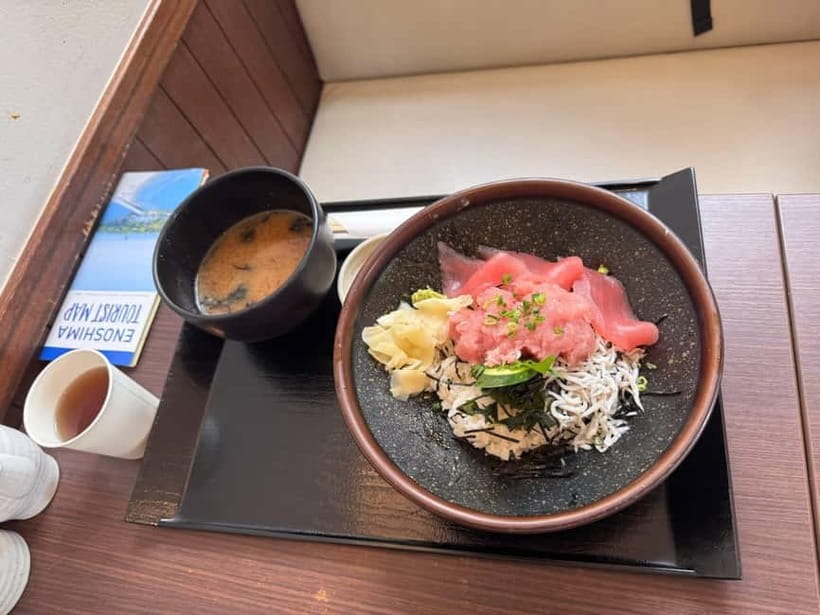
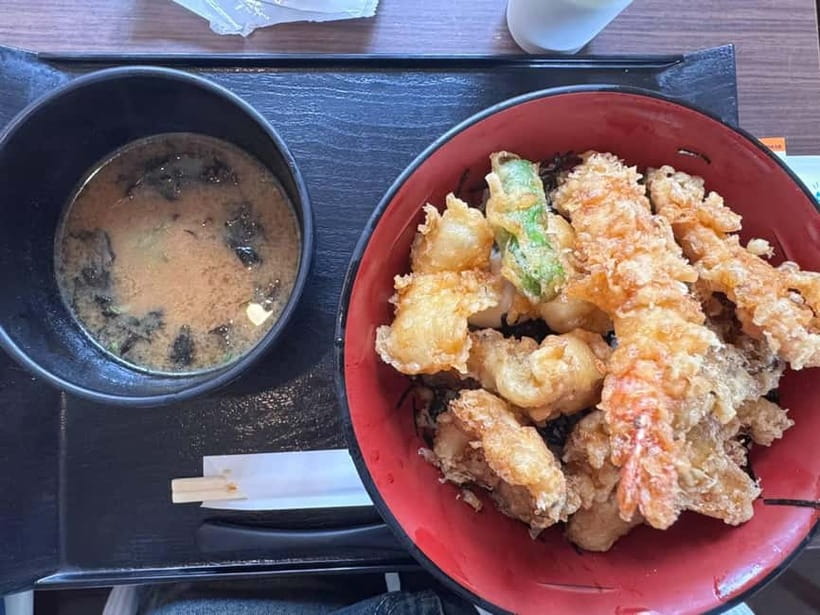
Lunch is included only when you select the lunch option. One meal was described as filling and tasty, but check the exact booking choice before assuming food is covered. If lunch is not included, Enoshima gives you a natural place to buy something, though stopping to eat will reduce sightseeing time.
I would not choose this tour for a slow, detailed visit to Kamakura. I would choose it for a first look at several places, especially if you have limited time in Tokyo and value simple transport over complete freedom.
Walking, language, and daily comfort
Bring comfortable shoes. This is a walking-heavy day with temple and shrine grounds, shopping streets, railway access, and city sidewalks. Water is also a good idea, since the route operates in most conditions and does not revolve around long indoor breaks.
The tour runs rain or shine unless severe weather makes it unsafe. That can add atmosphere to a shrine visit, but it also means you should dress for changing conditions. A wet day may make the coastal sections and walking paths less pleasant.
Guiding is available in English and Japanese. The quality of communication can depend on the individual guide. Some guides are easy to understand and helpful with directions, while limited English may make long historical explanations harder to follow. If you want detailed background at every stop, bring your own notes or plan to read more afterward.
Infants aged 0 to 2 may join free, but they do not receive a lunch or a bus seat. That policy makes the outing less suitable for families who need guaranteed seating for a very young child.
Who should book this day trip?
I would recommend it to first-time visitors who want a broad taste of coastal Kanagawa and old Tokyo without arranging several train journeys. It also suits anyone who enjoys having free time at major stops rather than listening to nonstop commentary.
It is a particularly good match if the Great Buddha, Enoden railway, and Senso-ji are all on your wish list. The route gives each one a place in the same day, which is difficult to manage casually from central Tokyo.
I would hesitate if your priority is deep historical explanation, a relaxed lunch, or a long visit to Enoshima’s lighthouse. The schedule is ambitious, and the most commonly useful improvement would be extra time at the Great Buddha and beside the ocean.
Should you book it?
Book this tour if you want maximum variety with minimum route planning. The clean vehicle, included railway ticket, free time, and strong mix of Kamakura, Enoshima, Asakusa, and Shibuya make $75 reasonable.
Skip it if you prefer to set your own pace or want to explore one town properly. For most people with only a few Tokyo days, though, this is a practical way to trade some depth for a memorable sweep of temples, samurai history, sea views, and modern city life.
FAQ
Where does the tour begin?
Meet at 7:30 in front of the Shinjuku Center Building, at the red brick entrance in front of a taller white building. It is about a seven-minute walk from JR Shinjuku Station. The vehicle departs strictly at 7:40.
How do I find the tour staff?
Look for a LIMON staff member wearing a yellow jacket, vest, or shirt.
Is hotel pickup included?
No. You must make your own way to the meeting point in Shinjuku.
Is lunch included?
Lunch is included only if you choose the lunch option when booking.
How much does it cost to enter the Great Buddha?
Admission to the Great Buddha is included. Entering inside the statue costs an additional 50 yen, paid on site.
Can I stay in Asakusa instead of going to Shibuya?
Yes. You can choose to remain in Asakusa or continue with the group to Shibuya. Ask the guide about the exact end arrangement, since the provided details describe both disbanding in Shibuya and returning to the original meeting point.
What languages are available?
The tour is offered in English and Japanese.
Just added around Japan
- Fukuoka Open Top Bus and Hakata Doll Painting Experience with Guide★ 3.5 · 3 reviews
- Huis Ten Bosch Full Day Bus Tour From Hakata★ 3.5 · 3 reviews
- Tokyo: A Half-Day Trip Bus Tour in the Morning★ 4.6 · 236 reviews
- 3-Row Luxury Bus Tour to Mt. Fuji, Lake Kawaguchi from Tokyo★ 4.3 · 3 reviews
- Tokyo: 1 Day Bus Tour with Meiji-Jingu,Odaiba,lunch&Skytree★ 4.6 · 156 reviews
- Full Tokyo: Meiji Shrine, Imperial Palace, Asakusa & Skytree★ 4.4 · 7 reviews
- Tokyo: Mount Fuji Views and KABA Amphibious Bus Day Tour★ 5.0 · 4 reviews
- Shirakawago and Takayama 1 Day Bus Tour from Nagoya★ 4.5 · 2 reviews
Japan Bus Tours, compared.
Mt Fuji and Hakone 1-Day Bus Tour Return by Bullet Train
Read our review →
Peaceful Hiroshima & Miyajima UNESCO 1 Day Bus Tour
Read our review →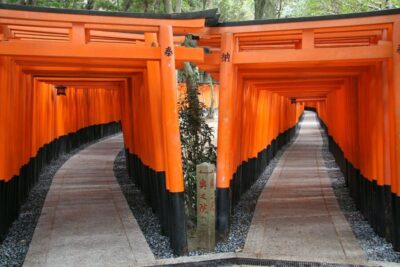
Fushimi Inari, Kinkakuji, Bamboo Grove 1 Day Bus Tour
Read our review →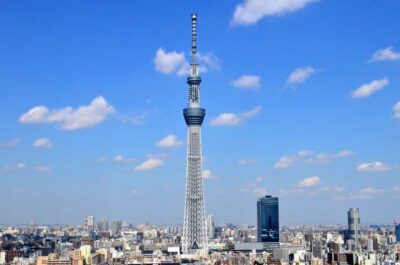
Meiji Shrine, Asakusa, Skytree Bus Tour and Cruise
Read our review →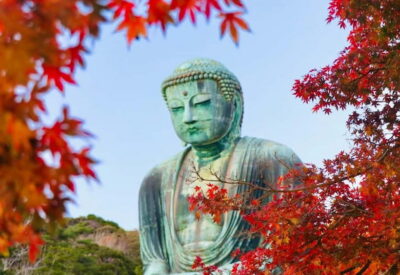
Kamakura & Enoshima Day Trip including Temple Tickets
Read our review →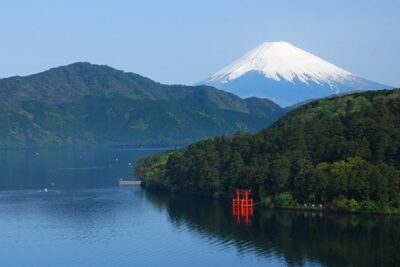
Mt Fuji & Hakone Cruise, Drum Show Bus 1 Day from Tokyo
Read our review →
Kyoto/Osaka: Nara, Fushimi Inari Taisha, Arashiyama Bus Tour
Read our review →Browse the lists this tour appears in