
REVIEW · JAPAN
Tokyo: Kamakura & Enoshima Day Trip including Temple Tickets
Kamakura packs samurai-era shrines, flower-filled temple grounds, and a giant bronze Buddha into one easy day from Tokyo. Add Enoshima’s sea views, seafood stalls, and possible glimpse of Mount Fuji, and you get a broad taste of the Shonan Coast without arranging several train rides yourself.
I like the strong mix of culture and local food, especially the walk along Komachi Street and the chance to sample shirasu dishes, dumplings, and croquettes. I also like that admission to Hasedera and Kōtoku-in is included. The catch is time: Enoshima receives about two hours, and the Great Buddha stop lasts about 30 minutes, so this is an efficient introduction, not a slow, in-depth visit.
Key things to know before you book
- The day covers five distinct experiences: a major Shinto shrine, a shopping street, two important Buddhist sites, and a small coastal island.
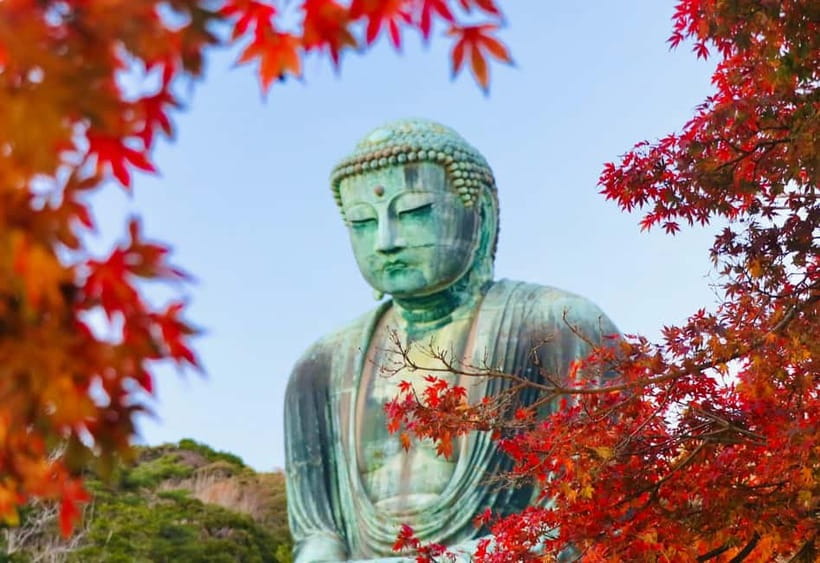
- The Great Buddha is a National Treasure: you can see the 13.3-meter bronze statue up close and enter its interior.
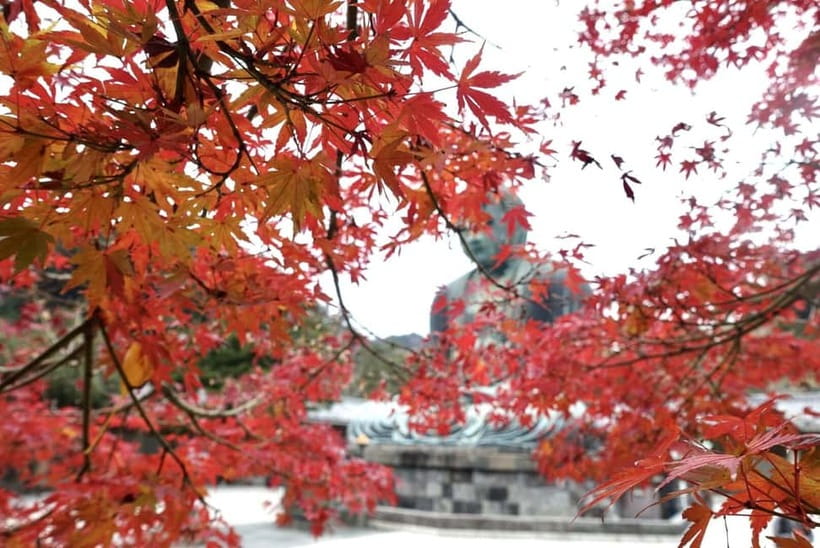
- Hasedera changes with the seasons: cherry blossoms, peonies, hydrangeas, and autumn leaves give the temple different appeal throughout the year.
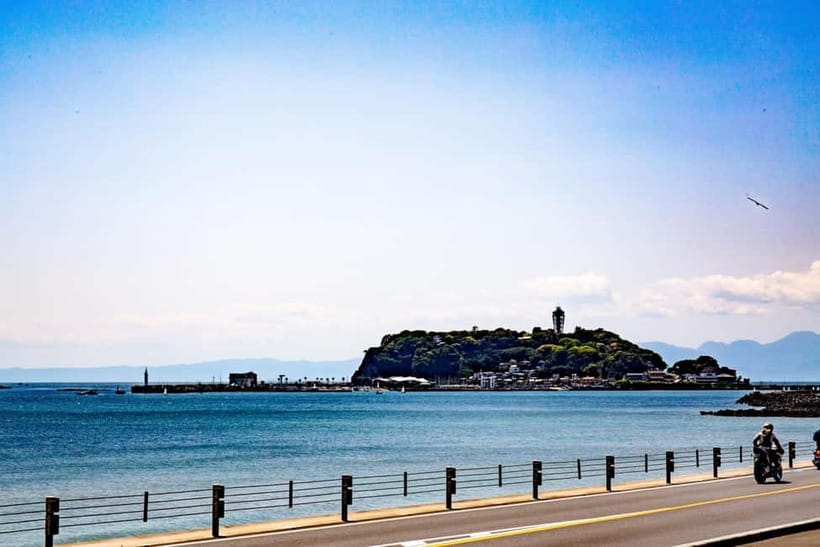
- Enoshima is the scenic finale: high points can offer a view of Mount Fuji on a clear day.
- Guides keep the day moving: guides including Eric, Yuki, Mitsuko, Omar, and Koji have been praised for clear explanations and good timing.
- The schedule favors breadth over depth: you see the headline sights, then decide which ones deserve a longer return visit.
Why this day trip works from Tokyo
Kamakura sits on Honshu’s Pacific side and served as Japan’s political and cultural center during the Kamakura period. Its temples and shrines are not isolated museum pieces. They remain active places of worship, surrounded by ordinary streets, small restaurants, sweets shops, and residential lanes.
That mix is the main reason I find this outing worthwhile. You get the grand ceremonial approach to Tsurugaoka Hachimangu, the snack-filled energy of Komachi Street, quiet temple gardens at Hasedera, and the famous Buddha at Kōtoku-in. Then the mood changes again at Enoshima, where the day ends with sea air and coastal views.
The air-conditioned vehicle saves you from working out several train connections and local transfers. That convenience matters most if you have only a few days in Tokyo, are traveling with family, or want a guide to explain what you are seeing. The tradeoff is that road traffic can affect the schedule, especially around Kamakura’s narrow streets. If delays occur, stop times may be adjusted.
The listed price is $58 per person. For that amount, you receive transport, a live English or Chinese-speaking guide, and admission to Hasedera and Kōtoku-in. You still pay for your own food, shopping, and any extras at Enoshima, but the basic cost is fair for a nine-hour outing with several major stops.
More Bus Day Trips in Japan
- Mt Fuji and Hakone 1-Day Bus Tour Return by Bullet Train
★ 5.0 · 26,383 reviews - 1-Day Tokyo Bus Tour
★ 5.0 · 14,250 reviews - PERFECT KYOTO 1-Day Bus Tour
★ 5.0 · 13,518 reviews
Starting in Shinjuku and heading south
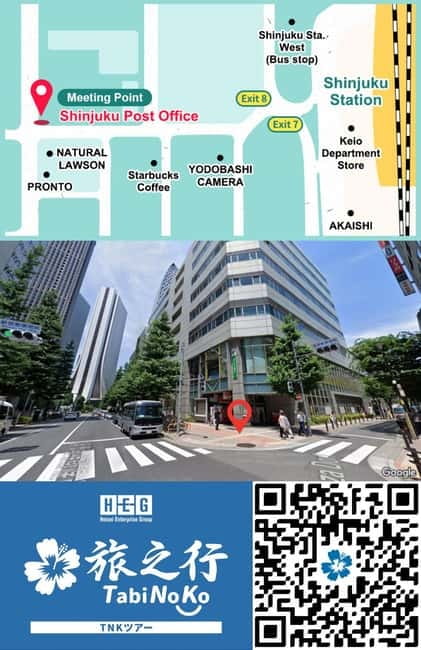
Pickup is offered from one of two listed locations, Shinjuku Post Office or GLOBAL RING CAFÉ, depending on the option you choose. Check the exact meeting point carefully and scan the correct QR code shown for your booking. The only return area is Shinjuku.
Arrive at least 10 minutes early. This is a timed group trip, and the vehicle leaves on schedule. Some departures combine English and Chinese bookings in the same vehicle, so the guide may switch between languages. Vehicle size can also change with group numbers.
The drive gives you a useful transition from central Tokyo to the coastal side of Kanagawa Prefecture. It is not the fastest way to reach Kamakura on every day, but you do not need to navigate unfamiliar stations or manage several local connections. Guides such as Eric, Yuki, Mitsuko, Omar, and Koji have received particularly strong praise for keeping people informed and on time.
Tsurugaoka Hachimangu and the old samurai center
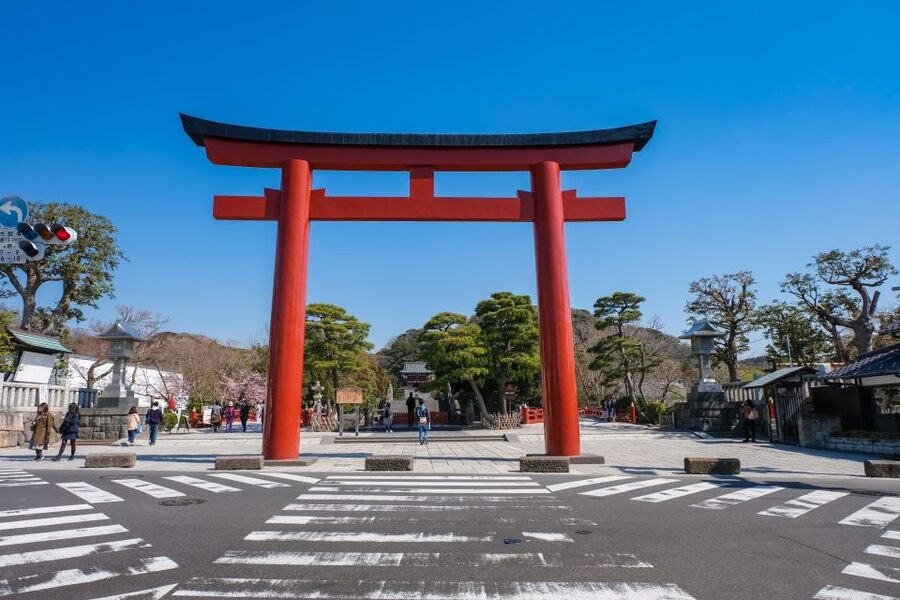
Your first major stop is Tsurugaoka Hachimangu, Kamakura’s best-known shrine and one of Japan’s most visited. The shrine dates back more than 800 years and served as a spiritual anchor for samurai society during the Kamakura period.
Allow yourself time to notice the long approach, broad ceremonial spaces, shrine buildings, and the sense of order that makes the complex feel important even when you are not following every historical detail. Your scheduled visit is about one hour, enough to see the main areas and take photographs, but not enough for every side path or small museum.
The shrine becomes especially busy during New Year’s hatsumode, when about 2.5 million people visit. That figure gives you a sense of its national importance, but the shrine is not only a pilgrimage site. It remains part of everyday religious life, with ceremonies, seasonal displays, and people making quiet offerings.
This is a good place to listen to the guide’s background before exploring on your own. Some guides walk with the group and explain the setting, while others give an overview and let you choose your own route. That flexibility suits independent-minded visitors, but anyone wanting a detailed lecture at every building should stay close to the guide.
Komachi Street for snacks and shopping
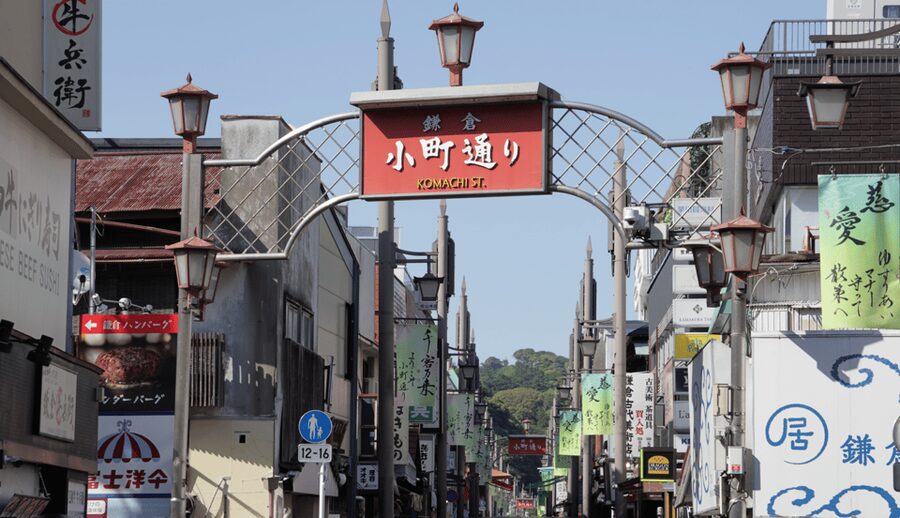
From the shrine area, you head toward Komachi Street, a shopping road stretching roughly 360 to 600 meters between Kamakura Station and Tsurugaoka Hachimangu. About 250 shops line the route, selling souvenirs, clothing, sweets, local food, and small craft items.
I like this stop because it keeps the day from becoming a procession of sacred sites. You can see how Kamakura works as a living town, not simply a collection of monuments. The street blends old-fashioned local flavors with modern shops, so you can grab a quick bite, browse for gifts, or simply watch the flow of people.
Look for shirasu dishes, dumplings, croquettes, and other local snacks. Shirasu are tiny white fish associated with the coastal area, and they offer a more regional taste than standard sightseeing food. The exact choice is yours, but keep an eye on the meeting time. Sitting down for a full meal can use most of your break.
You receive about one hour here. That is enough for a snack and a little shopping, but not a leisurely restaurant meal plus a thorough browse. If you want to maximize Enoshima later, a vendor snack may be wiser than waiting for table service. One useful tip from the day’s practical advice is to avoid a long sit-down meal if you want time for the Iwaya Caves.
Same city, a different seat on the bus:
- Peaceful Hiroshima & Miyajima UNESCO 1 Day Bus Tour
★ 5.0 · 5,309 reviews - Kyoto: Fushimi Inari, Kinkakuji, Bamboo Grove 1 Day Bus Tour
★ 4.8 · 4,316 reviews - Tokyo: Meiji Shrine, Asakusa, Skytree Bus Tour and Cruise
★ 4.7 · 1,986 reviews - Mt Fuji & Hakone Cruise, Drum Show Bus 1 Day from Tokyo
★ 4.0 · 1,287 reviews
Hasedera, flowers, and Sagami Bay views
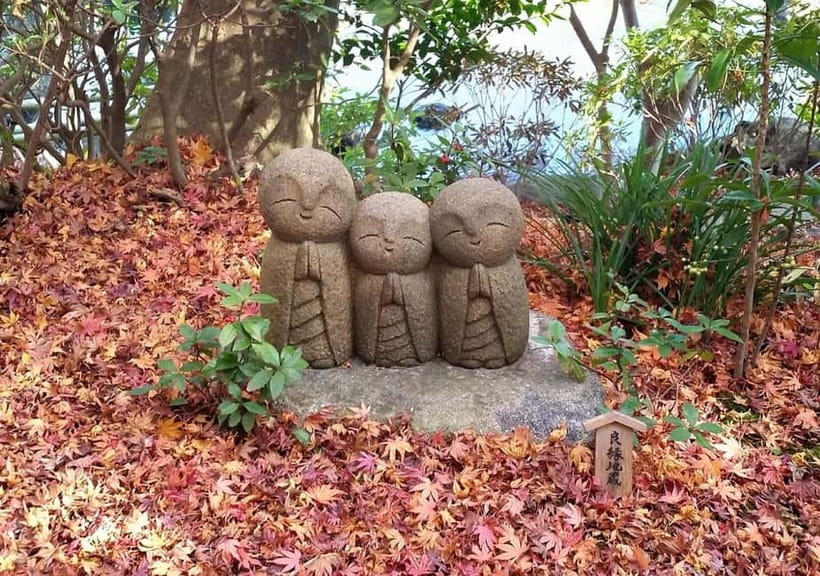
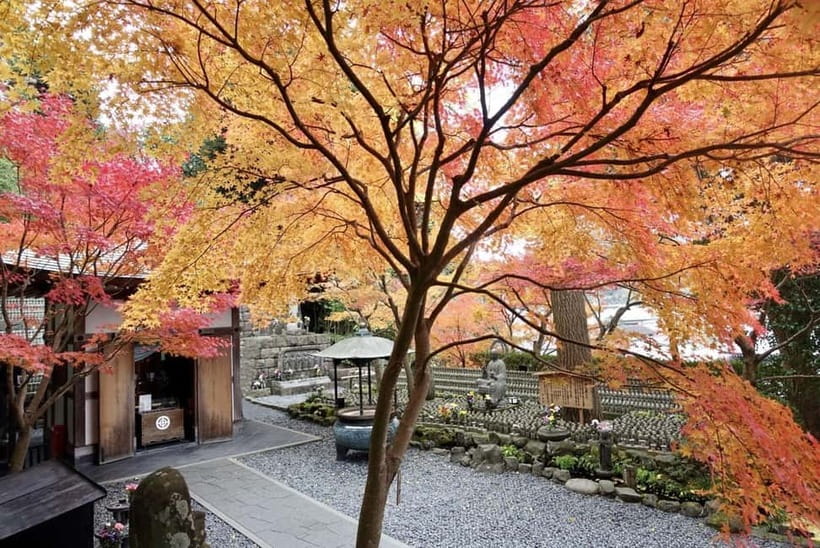
Hasedera is one of Kamakura’s oldest temples, founded in 736. Its grounds are known for seasonal flowers, including cherry blossoms, peonies, hydrangeas, and autumn leaves. The temple also contains a 9.18-meter Eleven-Headed Kannon statue.
The setting gives Hasedera a different feel from Tsurugaoka Hachimangu. Paths rise through planted areas, and higher points offer views over Kamakura and Sagami Bay. You will also see small Jizo figures, traditionally linked with protection and care, placed around the grounds.
Your visit lasts about 50 minutes. That is enough to see the main temple areas, enjoy the views, and take photos, but the hills and flower terraces reward a calm pace. In hydrangea season or during autumn color, you may wish the schedule allowed more time.
Hasedera tickets are included, which makes this stop better value than a simple drive-by visit. Wear shoes suited to walking and steps. The activity includes plenty of movement between the vehicle and the sights, and summer heat can make even modest uphill paths feel tiring.
Kōtoku-in and the Great Buddha
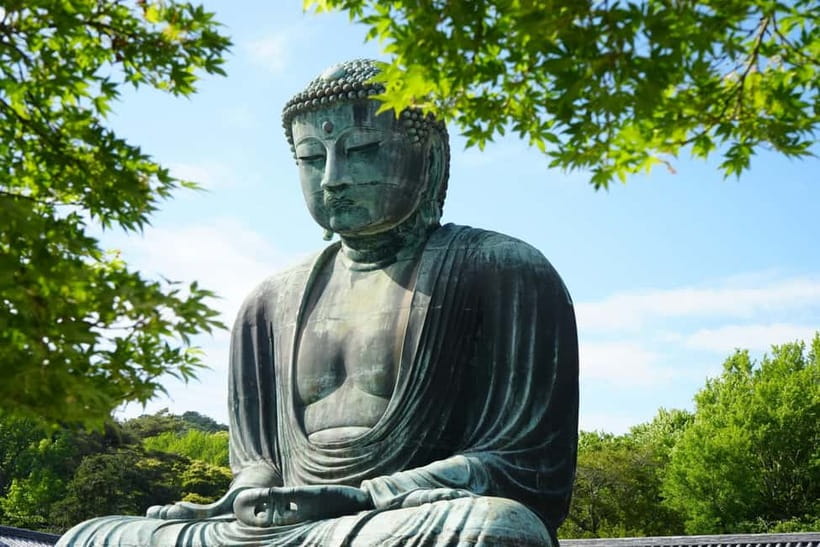
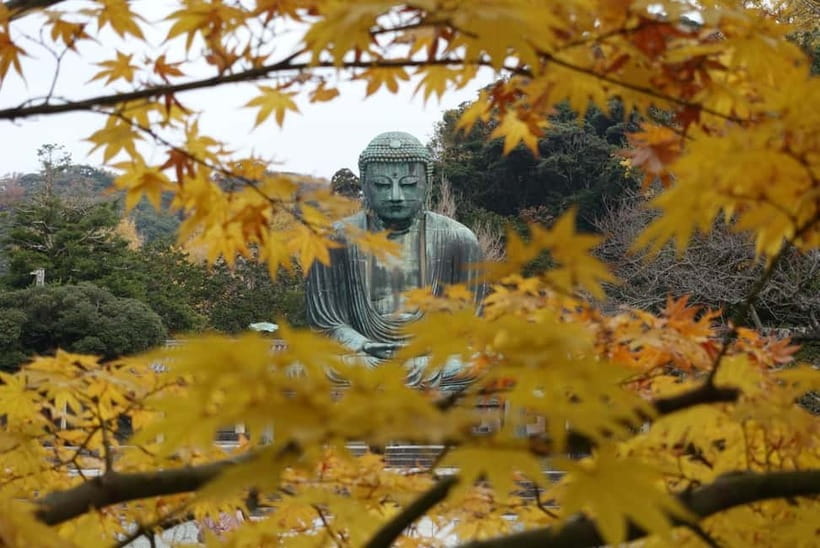
Kōtoku-in is home to the Great Buddha of Kamakura, a bronze Amida Buddha about 13.3 meters tall and weighing roughly 121 tons. The statue is a National Treasure and one of Japan’s most recognizable Buddhist works.
The scale is easy to underestimate in photographs. Standing near the base, you can study the calm expression, the weathered bronze surface, and the way the statue occupies the open temple grounds. Its outdoor setting also lets you appreciate how it has endured through centuries of changing weather and surrounding development.
The scheduled stop is around 30 minutes, and admission is included. You can view the Buddha from several angles and enter the interior to see its construction. That interior visit is brief, but it adds something real: you are not only looking at a monument from outside, you are seeing how a huge hollow bronze statue was made.
This is the most obvious place where the schedule feels tight. If the Great Buddha is your main reason for visiting Kamakura, you may want to return independently for a longer look. For a first introduction, half an hour is workable if you arrive ready to focus.
Enoshima gives the day a coastal finish
Enoshima is the final major stop and receives about two hours. The island combines religious sites, walking paths, sea views, cafés, food stalls, and shopping streets. It feels different from inland Kamakura, and that change of mood is one of the day’s strengths.
The island is linked with the sea and local traditions, while its high points provide broad views along the Shonan Coast. On a clear day, Mount Fuji may appear in the distance. Visibility depends entirely on weather, so treat Fuji as a bonus rather than a promise.
The main schedule includes Enoshima Sea Candle, Enoshima Shrine, Enoshima Iwaya Cave, and Benzaiten Shopping Street. You can follow the guide or use free time to choose your own route, but keep track of the meeting location and return time. The island has enough paths and attractions to make two hours pass quickly.
Several people have found that they wanted more time here. That is understandable. Enoshima is the sort of place where you can spend extra time on a view, stop for seafood, browse a shop, and then realize the clock has moved on. If you want to see the caves, take food from a vendor rather than settling into a long restaurant meal.
Sea Candle, shrine, and Iwaya Cave
Enoshima Sea Candle is the island’s scenic observation tower. It is included in the sightseeing program, but the supplied information does not specify a separate admission arrangement, so check the day’s instructions if you want to confirm access beyond the listed visit.
The tower is most useful for orientation. From a high point, you can understand the island’s shape, the surrounding coast, and the conditions that might allow a Fuji view. It is also a good photography stop when the air is clear.
Enoshima Shrine is more than 1,000 years old and forms an important part of the island’s identity. The visit gives you another look at Japanese religious practice after the larger shrine in Kamakura, but the island setting changes the experience. Take time to notice the approach, the small details, and the way shops and cafés fit around the sacred areas.
The Iwaya Caves provide a more unusual finish. You walk through natural rock spaces connected with local religious tradition. The visit involves walking and may take planning within the two-hour window, so do not leave it until the final minutes. If the caves matter to you, eat quickly and go there early enough to return comfortably.
Benzaiten Shopping Street is where you can pick up local snacks and browse for souvenirs. Seafood is a natural choice around Enoshima, and the area also has cafés and restaurants. I would treat this as a chance to sample something small rather than plan a formal meal, since the schedule is short.
How the guides shape the day
The guide can make a big difference on a packed outing. English and Chinese are offered, and the guide may change by departure. Eric has been praised for historical explanations and practical restaurant suggestions. Yuki is often described as patient and clear, while Mitsuko and Omar have received strong approval for keeping the group organized and adding useful background.
Koji and other guides have also been noted for friendly service and good timing. One useful point is that some guides provide a short explanation, then let you explore independently. That format works well if you want photographs or food stops without staying in a tight group.
The main caution is that speaking speed and the amount of explanation can vary. If you need every site explained in detail, stay near the guide and ask questions. If you prefer freedom, use the meeting times as your anchor and explore on your own.
Who should book this Kamakura and Enoshima trip
I would choose this tour if you are staying in Tokyo, have limited time, and want a broad first look at Kamakura and Enoshima. It is also a good fit for families and for anyone who finds Japanese transport systems stressful. The air-conditioned vehicle, included temple tickets, and clear return to Shinjuku remove much of the day’s planning work.
It suits photographers who want varied subjects: shrine architecture, flowers, the Great Buddha, shopping streets, sea views, and a possible Fuji sighting. Food-focused visitors also get several chances to try local snacks and seafood.
I would not choose it if you want long, quiet temple visits or a full day on Enoshima alone. The schedule is efficient, and traffic can reduce time at the stops. Hot weather can also make the walking feel harder, especially around Hasedera and the island.
Cancellation is free up to 24 hours before departure, and you can reserve now and pay later. Arrive early, wear comfortable shoes, carry water in hot weather, and keep your own watch on the return time.
Should you book it?
Book this $58 trip if you want to see the major Kamakura sights, sample the coastal atmosphere, and let someone else handle the driving. The strongest value comes from the number of distinct places covered, the included Hasedera and Kōtoku-in tickets, and the steady help of guides such as Eric, Yuki, Mitsuko, and Omar.
Skip it in favor of an independent visit if the Great Buddha, Hasedera flowers, or Enoshima caves deserve several hours each. For everyone else, this is a practical first pass that shows you what deserves a slower return.
FAQ
How long does the Kamakura and Enoshima day trip last?
The activity lasts nine hours, or 570 minutes, including transport and sightseeing.
Where does the tour start?
The available starting points are Shinjuku Post Office and GLOBAL RING CAFÉ. The exact meeting point depends on the option you book.
Where does the tour finish?
The only listed drop-off area is Shinjuku.
What languages are available?
Live guiding is available in English and Chinese.
Is transportation included?
Yes. The tour includes an air-conditioned vehicle.
Are temple admission tickets included?
Admission to Hasedera and Kōtoku-in is included.
How much free time is provided at Enoshima?
The planned Enoshima visit lasts about two hours, including time for sightseeing, food, shopping, and the listed attractions.
Can I see Mount Fuji from Enoshima?
You can see Mount Fuji from higher points on Enoshima when conditions are clear. The view depends on the weather.
What happens if the vehicle is delayed?
Traffic or other unexpected delays may lead to adjusted stop times. The tour departs on time, so arrive at least 10 minutes early.
Can I leave the group during the tour?
You may leave the group partway through, but you must tell the guide on the day and complete the required departure form.
Can I cancel for a full refund?
You can cancel up to 24 hours in advance for a full refund.
Can I pay later?
Yes. The reserve-now, pay-later option lets you hold a place without paying immediately.
More 1-Day Tours in Japan
- Mt Fuji and Hakone 1-Day Bus Tour Return by Bus
★ 4.5 · 929 reviews - Tokyo: Mt.Fuji & Lake Kawaguchiko 1-Day Bus Tour w/Optional Lunch
★ 4.5 · 839 reviews - From Hiroshima: Hiroshima & Miyajima 1 Day Tour with Lunch
★ 4.7 · 395 reviews - Tokyo: A Half-Day Trip Bus Tour in the Morning
★ 4.6 · 236 reviews
Just added around Japan
- Fukuoka Open Top Bus and Hakata Doll Painting Experience with Guide★ 3.5 · 3 reviews
- Huis Ten Bosch Full Day Bus Tour From Hakata★ 3.5 · 3 reviews
- Tokyo: A Half-Day Trip Bus Tour in the Morning★ 4.6 · 236 reviews
- 3-Row Luxury Bus Tour to Mt. Fuji, Lake Kawaguchi from Tokyo★ 4.3 · 3 reviews
- Full Tokyo: Meiji Shrine, Imperial Palace, Asakusa & Skytree★ 4.4 · 7 reviews
- Tokyo: Mount Fuji Views and KABA Amphibious Bus Day Tour★ 5.0 · 4 reviews
- Tokyo: 1 Day Bus Tour with Meiji-Jingu,Odaiba,lunch&Skytree★ 4.6 · 156 reviews
- Shirakawago and Takayama 1 Day Bus Tour from Nagoya★ 4.5 · 2 reviews
Japan Bus Tours, compared.
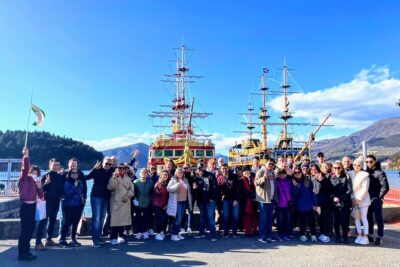
Mt Fuji and Hakone 1-Day Bus Tour Return by Bullet Train
Read our review →
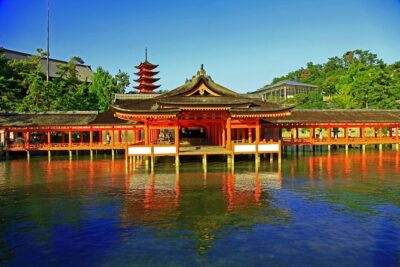
Peaceful Hiroshima & Miyajima UNESCO 1 Day Bus Tour
Read our review →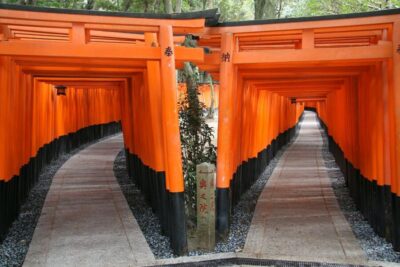
Fushimi Inari, Kinkakuji, Bamboo Grove 1 Day Bus Tour
Read our review →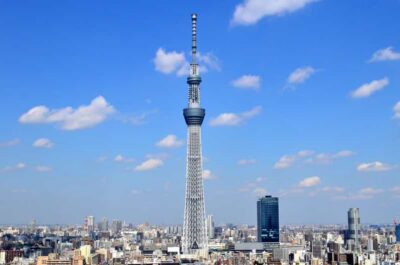
Meiji Shrine, Asakusa, Skytree Bus Tour and Cruise
Read our review →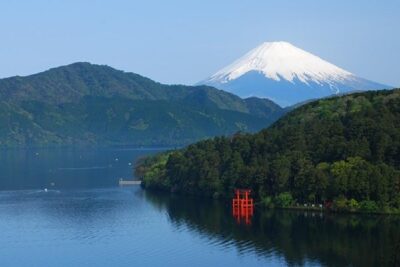
Mt Fuji & Hakone Cruise, Drum Show Bus 1 Day from Tokyo
Read our review →
Kyoto/Osaka: Nara, Fushimi Inari Taisha, Arashiyama Bus Tour
Read our review →
Mt Fuji and Hakone 1-Day Bus Tour Return by Bus
Read our review →Browse the lists this tour appears in