
REVIEW · SWITZERLAND
Swiss Travel Pass: Unlimited Travel on Train, Bus & Boat
Switzerland’s Swiss Travel Pass turns the country’s famously punctual transport system into one easy-to-use ticket. For 3 to 15 days, you can board trains, buses, trams, and many boats without stopping at a ticket machine each time. That freedom matters when rain changes your plans or you spot a worthwhile stop between Zurich and Lucerne.
I like two things especially: the easy hop-on, hop-off travel and the free admission to more than 500 museums. I also like the family rule, since children under 16 travel free with a parent. The main drawback is the price, listed at $327 per person, and the fact that many mountain lifts are discounted rather than fully included.
Key points to know before you buy
- Unlimited national transport: Use public trains, buses, trams, and boats across more than 90 Swiss towns and cities.
- Three to 15 travel days: Choose a Continuous Pass for consecutive days or a Flexi Pass for selected travel days.
- Free mountain trips: Rigi, Stoos, and Stanserhorn are included, while many other mountain rides receive up to 50 percent off.
- 500-plus museums included: Popular stops include the FIFA World Football Museum, Olympic Museum, Paul Klee Center, and Château de Chillon.
- Children under 16 ride free: The benefit applies when children travel with their parents on covered trains, buses, and boats.
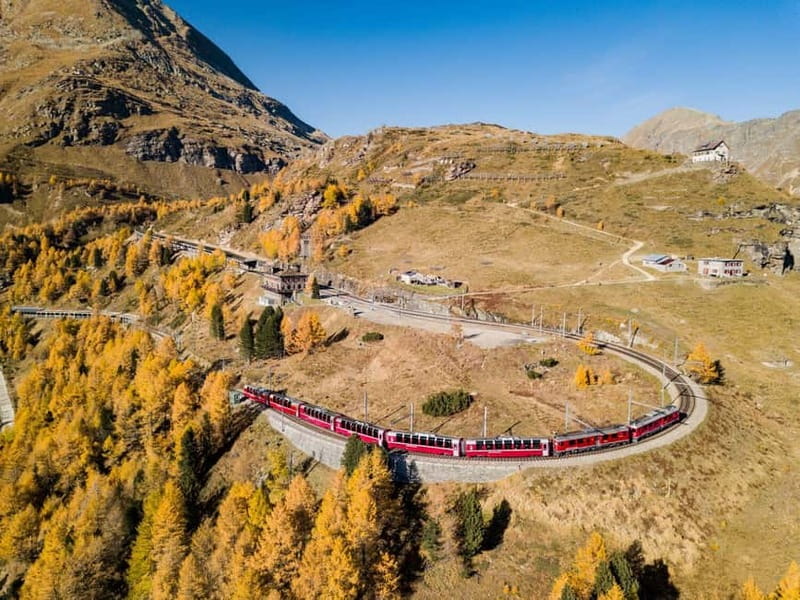
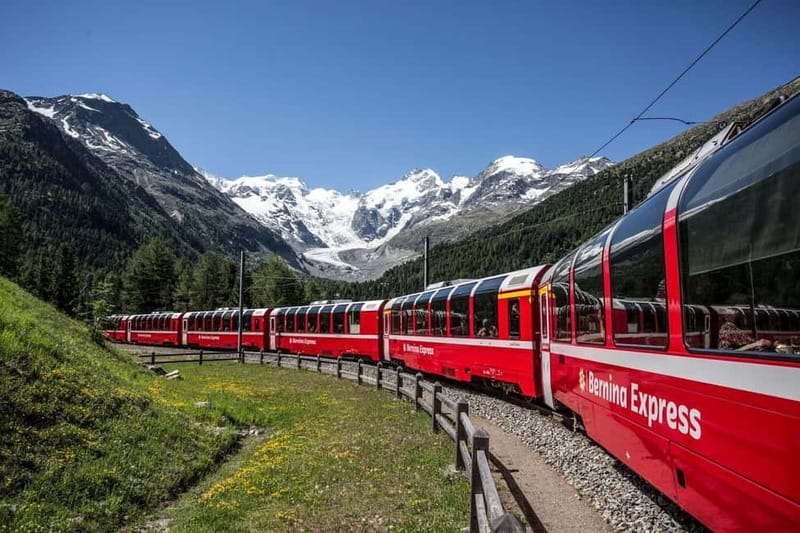
- Panoramic trains need planning: The ride may be covered, but seat reservations for trains such as the Glacier Express and Bernina Express cost extra.
What the Swiss Travel Pass actually gives you
Think of this as a national transport pass with a museum card attached. The biggest benefit is not one spectacular train ride. It is the ability to string together several ordinary journeys without buying a separate ticket for each one.
You can travel by public train, bus, tram, and boat in more than 90 towns and cities. That includes major routes between places such as Zurich, Bern, Lucerne, Interlaken, Lausanne, and Geneva. The exact coverage depends on the route and the transport map, so I would still check the SBB app before setting off.
The pass is valid from midnight on the first date through midnight on the final date. A three-day pass is therefore three calendar days, not 72 hours from the moment you first use it. That detail can affect the value, especially if you arrive late in the evening.
There are two main formats. The Continuous Pass works on consecutive days. The Flexi Pass gives you selected travel days within its validity period. The supplied options include 3, 4, 8, and 15 days, so your choice should follow your actual route rather than a vague hope that you will use it often.
More Train Trips in Switzerland:
- Geneva: Hop-on Hop-Off Bus & Scenic Mini-Train Tour
★ 3.8 · 501 reviews - Switzerland: Train, Bus, Boat Travel Pass Flex
★ 4.5 · 74 reviews - From Milan: Bernina Express Train and St. Moritz Tour by Bus
★ 4.6 · 29 reviews
Choosing between Continuous and Flexi
The Continuous Pass is the simple choice for a fast-moving trip. If you plan to change towns often, ride trains most days, take a boat, and visit museums along the way, you do not need to keep deciding when to activate your ticket.
The Flexi Pass suits a slower plan with rest days or hotel stays in one place. You could spend a quiet day walking around Bern, then use a travel day for a long rail journey to another region. The key is to know that a Flexi Pass does not mean unlimited travel on every calendar day. It works according to the selected travel dates.
I would compare the pass with your likely point-to-point fares before buying. Switzerland is expensive, so a few long train rides can quickly add up. Add a boat journey, a museum visit, and a mountain trip, and the pass begins to look stronger.
Riding the trains, buses, trams, and boats
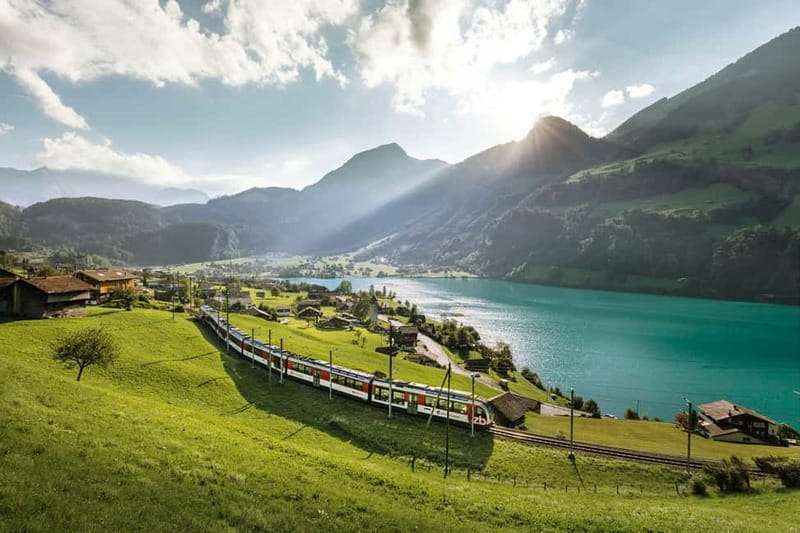
The easiest part of the pass is ordinary public transport. You generally board a covered service and show the digital pass if a conductor checks. There is no need to queue for a new ticket before each ride.
The SBB app is extremely useful for checking departure times, changes, platforms, walking directions, and local connections. Several people found it made a major difference, especially when moving between trains and buses. I suggest downloading the pass and saving it where you can show it without a strong mobile signal.
Keep a screenshot or printed copy as a backup. Ticket checks are regular, and a dead phone or weak connection can create needless stress. Bring the passport or identity card connected to the booking, since identification may be requested with the pass.
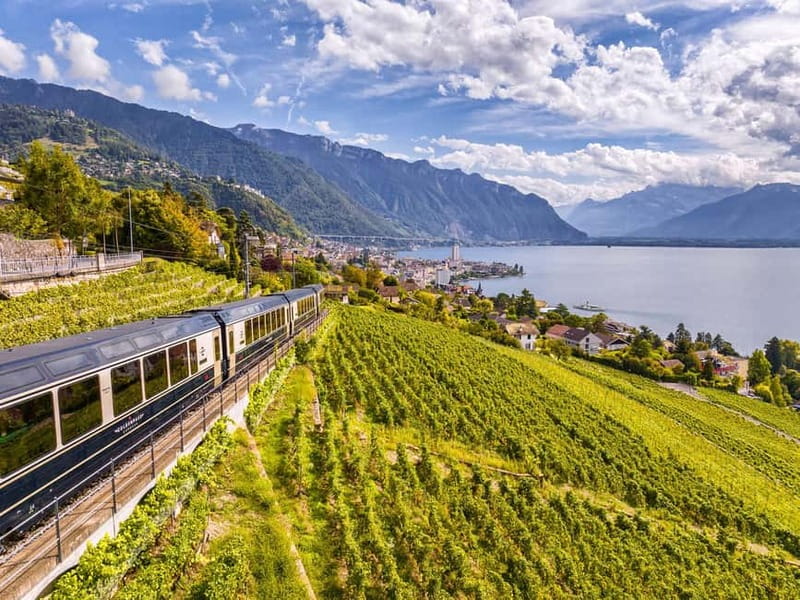
The trains are generally clean and punctual, but no rail system avoids every problem. A cancelled GoldenPass service left one passenger changing three trains with luggage to reach Montreux. That is a useful reminder: the pass gives you transport access, not a guarantee that every planned departure will run.
On busy services, you may not find a seat. The route between Bern and Zurich can fill up, while other journeys may feel relaxed. Second class is adequate for most people. First class is an optional upgrade for travelers who value more room, especially with luggage.
Panoramic routes: beautiful, but not entirely automatic
The pass includes free travel on panoramic trains, but the wording needs care. You still need to pay for a seat reservation on trains such as the Glacier Express and Bernina Express. The same principle applies to other scenic services where reservations are required.
That means the pass covers the transport fare, but not every extra connected with the ride. Check reservation rules before the day of travel, particularly if you have a fixed hotel booking or want a specific departure.
The Bernina Express, Lucerne to Interlaken Express, and GoldenPass route can form the backbone of a rail-focused holiday. The scenery changes sharply between regions, which is one reason the pass works so well for people who want Switzerland by train rather than by rental car.
Do not assume that every scenic train is included in exactly the same way. Use the SBB app and the operator’s reservation information. A little checking beforehand is better than arriving with the right pass but no seat.
A few more bus tours around Switzerland worth a look
- From Zurich: Bus Day Trip to Heidiland and Liechtenstein
★ 4.5 · 2,531 reviews - Zurich: City Highlights Tour by Bus, Cable Car, and Ferry
★ 4.4 · 2,366 reviews - Chamonix & Mont Blanc Panoramic Sky-Glass Bus Guided Day Trip
★ 4.0 · 1,324 reviews - Zurich: City Bus Tour with Audio Guide and Lake Cruise
★ 4.3 · 1,195 reviews
Free museums add surprising value
The museum benefit is easy to ignore when you are dreaming about mountains, but it can change the economics of a trip. The pass includes entry to more than 500 museums, giving you useful options on rainy days or between train connections.
In Zurich, the FIFA World Football Museum is a clear choice for sports fans. In Bern, you can visit the National History Museum and the Paul Klee Center. Geneva adds the Natural History Museum, while Lausanne offers the Olympic Museum.
The pass also includes access to Château de Chillon and the Ballenberg Swiss Open-Air Museum. These are not minor add-ons. They give you a way to see Swiss culture beyond stations, peaks, and hotel towns.
I like the museum access because it encourages flexible planning. You may skip an attraction if you had to pay another admission fee, but with the pass already in hand, a short visit becomes easier to justify. You can spend an hour in a museum rather than forcing yourself to stay outside in bad weather.
Mountain trips: where the fine print matters most
Mountain excursions are the area where you need the clearest expectations. Trips to Rigi, Stoos, and Stanserhorn are included, while most other mountain railways, cable cars, and gondolas offer up to 50 percent off.
That can be a major saving, but it does not make every mountain excursion free. The Jungfrau region is a good example of why route research matters. The pass does not cover all gondola costs there, although a discount may apply.
Gornergrat and Titlis are also examples of popular mountain trips where you should expect a reduction rather than full coverage. Prices and eligible sections can vary, so check the specific lift or railway before treating the pass as a complete ticket.
Rigi, Stoos, and Stanserhorn are especially useful choices because the pass covers them fully. If one of these fits your route, it can make a noticeable difference to the pass calculation. If your main goal is a different summit, compare the discounted fare with the cost of buying individual train tickets.
A practical route through Switzerland
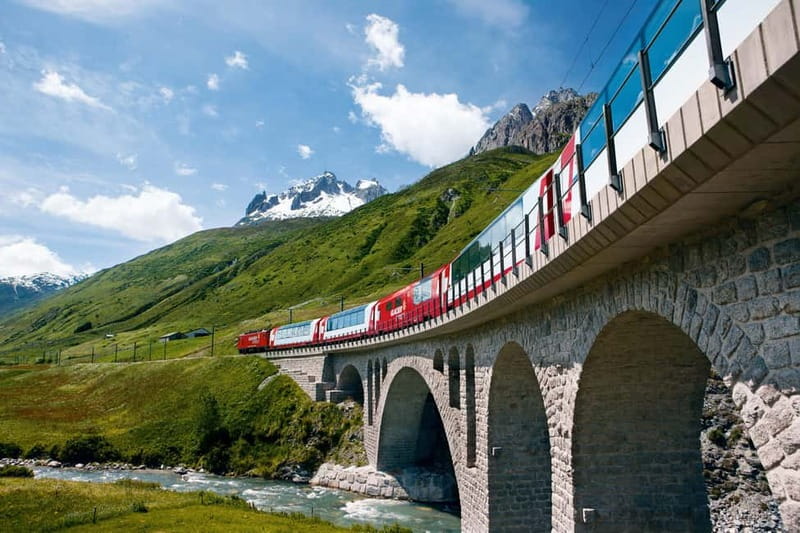
There is no fixed meeting point or guided schedule. The pass arrives by email, so you build the trip yourself. That is its strength, but it also means you need a basic plan.
A Zurich start can lead to Lucerne, where you might combine city transport, a boat journey, and a mountain trip. From Lucerne, the rail network makes it easy to continue toward Interlaken or Bern. Bern offers the National History Museum and Paul Klee Center, while Interlaken works well as a base for regional rail and mountain outings.
From Bern, continue toward Montreux or Lausanne. Lausanne gives you the Olympic Museum, and Château de Chillon provides a memorable stop near Montreux. Geneva can then add the Natural History Museum before you return to the airport or continue elsewhere.
This route is only an example, not a required program. The point is that the pass rewards movement. If you plan to stay in one town for most of your holiday, its transport value may be limited. If you want several cities and scenic routes, its flexibility becomes much more useful.
Family value is one of the strongest features
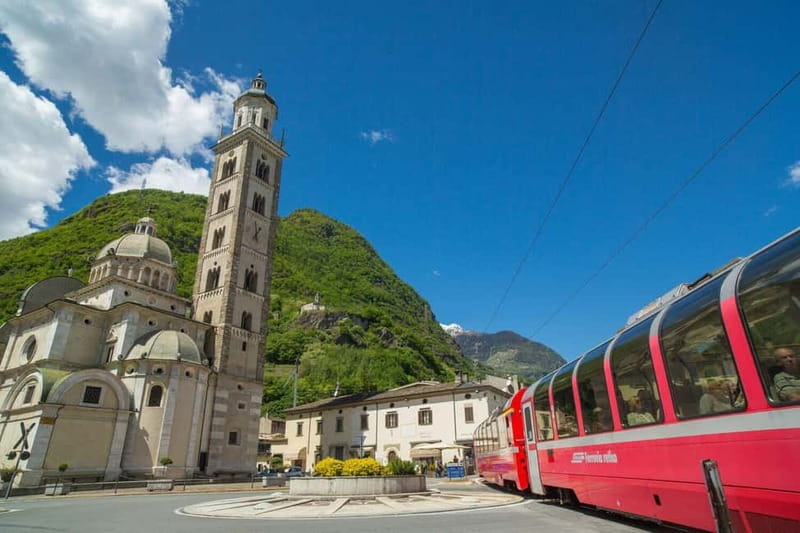
Children up to age 15 travel free with their parents on covered trains, buses, and boats. For a family, this can change the calculation quickly, since separate Swiss transport fares are costly.
The pass does not remove every family expense. Mountain lifts that are not included may still require payment, and seat reservations on panoramic trains remain separate. Still, free public transport for children makes city hopping and boat rides much less painful for the budget.
It also helps with spontaneous decisions. If everyone is tired after a museum, you can take a train back without debating another small ticket purchase. If rain spoils a planned walk, you can redirect the day to another town.
Price and value at $327
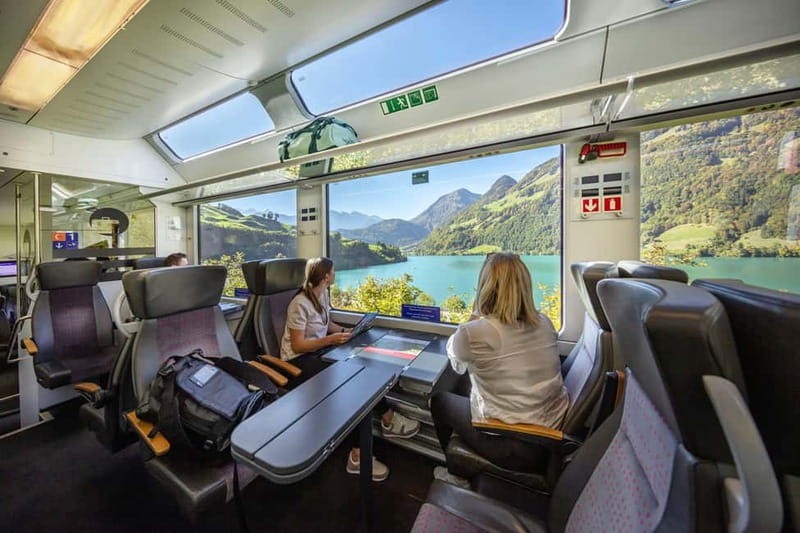
At $327 per person, this is not a casual purchase. The pass earns its keep when you use several long-distance trains, add boat routes, visit included museums, and take at least one included or discounted mountain trip.
It is less convincing for a short stay based in one city. Someone spending three days mostly in Zurich may find local tickets cheaper. Someone traveling between Zurich, Lucerne, Bern, Interlaken, Lausanne, and Geneva has a much better chance of coming out ahead.
The pass also saves time and mental effort. You are paying for convenience as well as transport. That matters in Switzerland, where a holiday can involve trains, buses, boats, trams, funiculars, and cable cars in a single day.
I would make a simple list before buying:
- Count your planned long-distance rail journeys.
- Add likely boat and local transport costs.
- Include museum admissions.
- Check the exact mountain discounts.
- Compare the total with $327.
Do not count every possible trip just because it is available. Count the rides you genuinely expect to take.
Digital delivery and small practical details
There is no physical meeting point. The pass is sent by email, but the booking confirmation is not the original Swiss Travel Pass. The activity provider sends the digital ticket after booking, with delivery stated as within 24 hours.
Save the ticket to your phone and print a copy if possible. A printed backup is sensible on long rail days, when battery power and mobile service cannot be taken for granted.
Free cancellation is available up to 24 hours in advance for a full refund. The activity is wheelchair accessible, though you should still check the exact station, boat, or mountain facility for the route you intend to use.
Who should buy it?
I would choose the Swiss Travel Pass if you are crossing several regions, using public transport on most days, or traveling with children under 16. It is also a strong fit for a rail holiday built around the Bernina Express, GoldenPass, Lucerne to Interlaken Express, or other scenic routes.
Museum fans and flexible planners get extra value. The pass gives you something useful to do when the weather turns, and it makes unplanned stops feel affordable.
I would think twice if you are staying in one place, taking only a few short rides, or mainly visiting mountain resorts with separate lift tickets. In that case, individual fares or a different regional pass may work better.
Should you book the Swiss Travel Pass?
Book it when you want Switzerland to feel open rather than carefully rationed. The strongest case is a multi-region trip with frequent trains, boats, museums, and at least one covered mountain excursion.
Do not buy it simply because Switzerland is expensive. Check your route first. At $327, the pass needs regular use, but for an active 6 to 15-day trip, the combination of unlimited transport, free museums, child savings, and mountain discounts can make it worthwhile.
FAQ
How long is the Swiss Travel Pass valid?
You can choose a pass valid for 3, 4, 8, or 15 days. It works from midnight on the first date through midnight on the final date.
Is the Swiss Travel Pass continuous or flexible?
Both options are available. A Continuous Pass works on consecutive days, while a Flexi Pass lets you choose specific travel days.
Are children included for free?
Children up to age 15 travel free with their parents on covered boats, trains, and buses.
Are mountain excursions included?
Trips to Rigi, Stoos, and Stanserhorn are included. Many other mountain excursions and cableways offer up to 50 percent off, but not all are free.
Do panoramic trains require reservations?
Yes. The pass covers travel on panoramic trains, but seat reservations for services such as the Glacier Express and Bernina Express cost extra.
Is the booking confirmation the travel pass?
No. The booking confirmation is not the original Swiss Travel Pass. The provider sends a separate digital ticket after booking, and you must show that ticket to the conductor.
Just added around Switzerland
- (KTG361) – Interlaken day trip by bus from Geneva★ 4.5 · 35 reviews
- Private Tour to Chamonix Mont-Blanc Scenic Glass-Roof Bus★ 4.5 · 23 reviews
- Basel City Sightseeing Bus Tour★ 3.5 · 104 reviews
- Switzerland: Train, Bus, Boat Travel Pass Flex★ 4.5 · 74 reviews
- Rhine fall Visit and Zurich Open Top City Tour★ 4.7 · 6 reviews
- Geneva: Hop-on Hop-Off Bus & Scenic Mini-Train Tour★ 3.8 · 501 reviews
- From Zurich: Scenic Interlaken Day Trip by Coach★ 4.9 · 12 reviews
- From Milan: Bernina Express Train and St. Moritz Tour by Bus★ 4.6 · 29 reviews
Switzerland Bus Tours, compared.
Day Trip to Grindelwald, Interlaken & Lauterbrunnen
Read our review →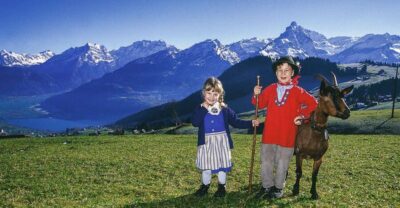
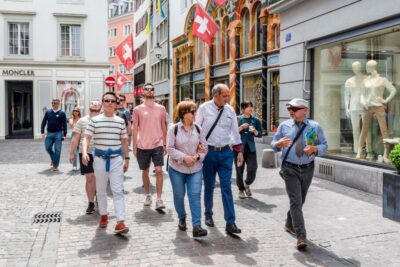
City Highlights Tour by Bus, Cable Car, and Ferry
Read our review →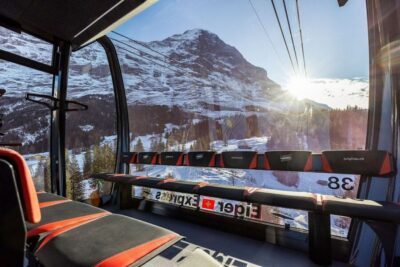
From Interlaken: Guided Tour to Jungfraujoch – Top of Europe
Read our review →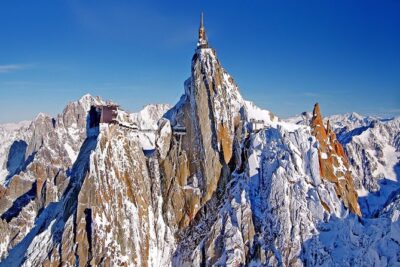
Chamonix & Mont Blanc Panoramic Sky-Glass Bus Guided Day Trip
Read our review →
City Bus Tour with Audio Guide and Lake Cruise
Read our review →
Open Top Bus Sightseeing Tour with Optional Cruise
Read our review →
Browse the lists this tour appears in