
REVIEW · MALTA
Malta: Vintage Bus Ride through the Three Cities
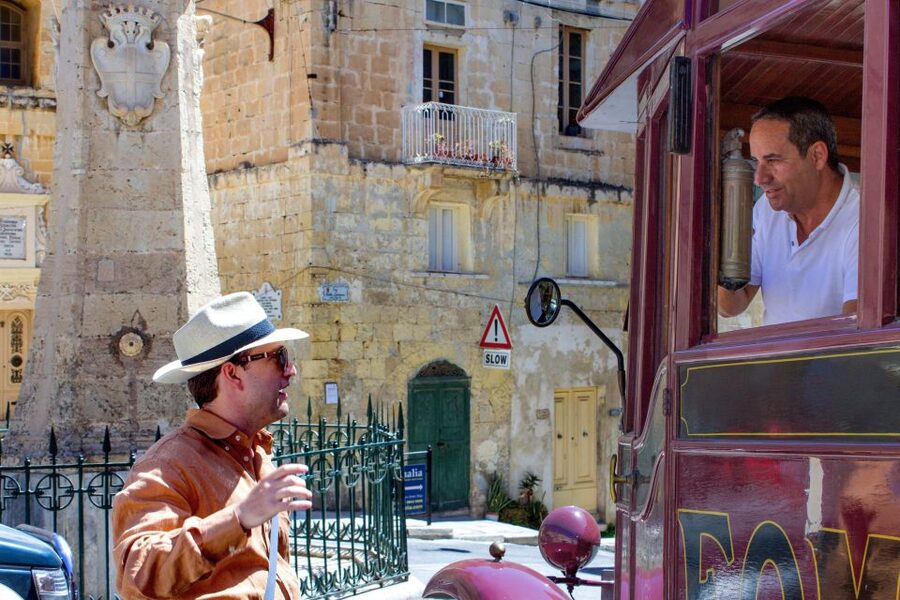
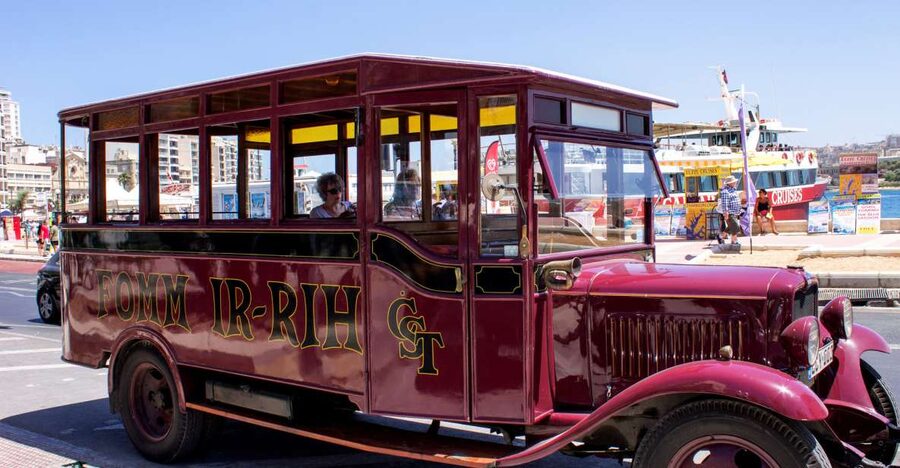
Malta’s Three Cities are best understood from the road, where fortress walls, harbor buildings, and narrow town streets reveal how tightly this corner of the island was built. This 90-minute ride on a 1928 vintage bus adds plenty of character, while driver-guide David gives the journey its human touch with stories about the Great Sieges of 1565 and 1942.
I like the mix of useful history and easy sightseeing, especially for a first look at the Cottonera area. I also like the chance to pause for photographs rather than stare through a bus window the whole time. The main drawback is comfort: the old bus can jolt over Malta’s uneven roads, and people with back problems should choose another way to see the area.
Key points to know before you book
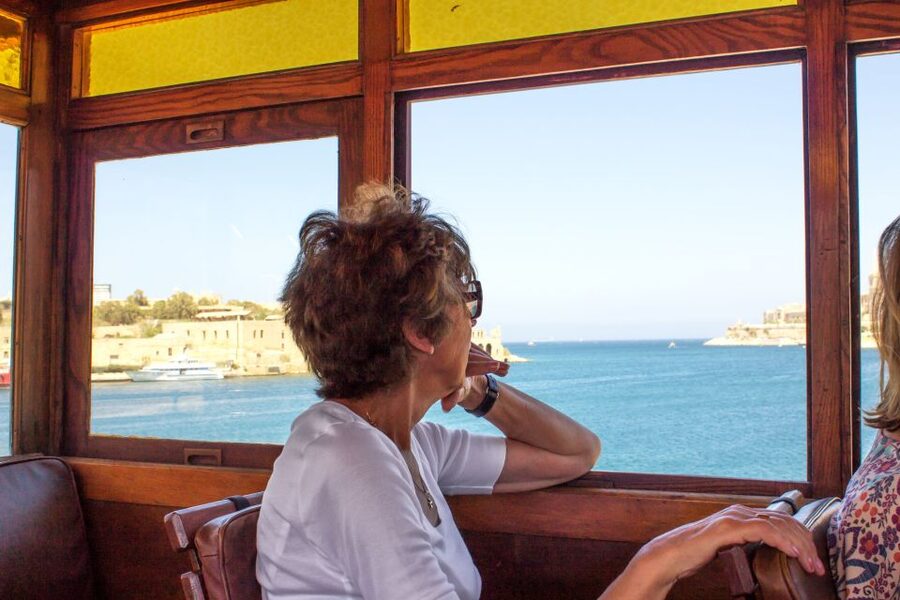
- The 1928 bus is the main attraction: This is a genuine old-style ride, not simply a standard sightseeing bus with a vintage paint job.
- David leads the English commentary: His explanations cover Valletta, the Three Cities, Malta’s fortifications, and the sieges of 1565 and 1942.
- You see more than the Three Cities: The route passes through Valletta, Gzira, Ta’ Xbiex, Msida, Pieta’, Marsa, and Paola.
- Photo time is built in: You can stop for pictures, and the ride includes a short break.
- Plan carefully around the schedule: It runs on Tuesdays at 2:30 p.m. and is not offered on public holidays.
- The price is modest for a history introduction: At $24 per person, it works well as a gentle orientation before exploring the cities on foot.
Why the old bus changes the whole outing
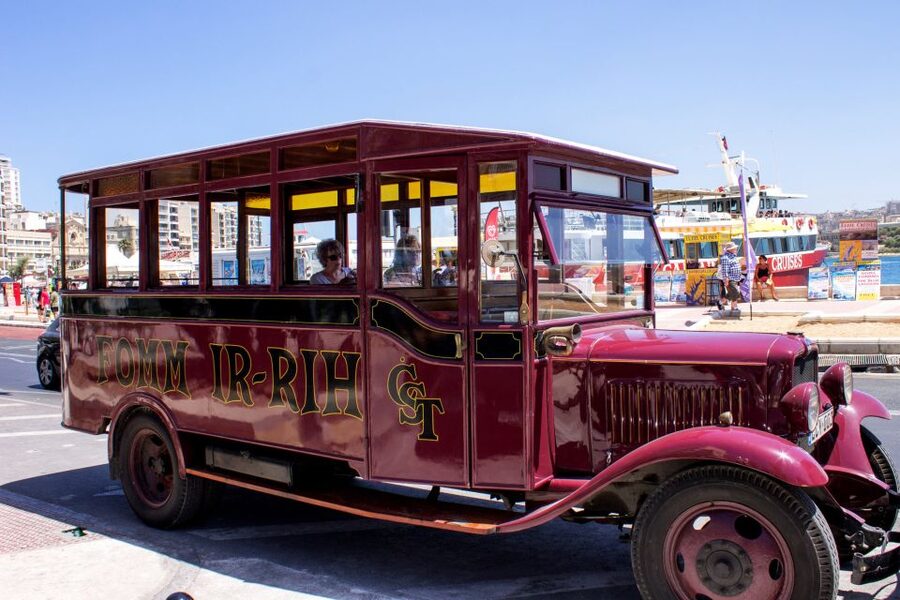
A modern coach would get you from Sliema to the Cottonera district more efficiently. It would also remove much of the fun. The old wooden-bodied bus makes the journey feel like part transport, part museum piece, and part neighborhood tour.
That character matters because this is not a polished attraction built around a single famous monument. Much of the pleasure comes from passing through ordinary streets and catching glimpses of old walls, church fronts, harbor structures, and small squares. The bus gives you a broad view without asking you to walk uphill through every area.
The ride lasts about an hour and a half. That is long enough to cover a large section of the southeast harbor area, but short enough to fit beside another activity. You are not signing up for a full-day excursion or a lengthy museum program.
The bus is also part of the practical trade-off. The seats have been described as padded, but the ride can be bumpy. One useful tip is to bring a small cushion if you are sensitive to hard jolts. The driver has been praised for slowing down over speed bumps, but an old bus cannot turn Malta’s rougher roads into a smooth ride.
More Open-Top Bus Tours in Malta
- Valletta: Vintage Bus to Valletta, Sliema, Rabat & Mdina
★ 4.1 · 433 reviews - Malta: 5 hr Vintage Bus Tour – Mdina & Blue Grotto inc. food
★ 4.8 · 169 reviews - Valletta: Sunday Vintage Bus to Marsaxlokk
★ 4.1 · 117 reviews
Starting at Sliema Ferries
The meeting point is at Sliema Ferries, beside the seaside near Tanti Ice-Cream Kiosk. Be there by 2:15 p.m. for the 2:30 departure, and look for David, the driver.
This is one detail to take seriously. A ferry area can be busy and easy to misread, especially if you are arriving by public transport or walking along the waterfront. Give yourself enough time to identify the kiosk and the bus rather than arriving at the last moment.
The departure point also makes the outing easy to combine with time in Sliema. You might have lunch or a swim before the tour, then return to the waterfront afterward. The route is not designed as a hotel pickup service, so confirm your own way to Sliema Ferries before booking.
Past departures have not always been perfectly smooth. A late bus, an unclear pickup, or an overbooked departure can spoil an otherwise pleasant outing. Those problems appear to be exceptions rather than the normal plan, but arriving early gives you the best chance of sorting out any confusion.
Valletta, Gzira, and the harbor approach
The route begins with views around Valletta and the central harbor towns. You pass through Gzira, Ta’ Xbiex, Msida, Pieta’, Marsa, and Paola before reaching the fortified area known as Cottonera.
This part of the ride gives you useful geographic context. Malta’s towns are close together, but their histories and roles differ. From the bus, you can see how roads, waterfronts, and defensive walls connect the modern island with the strongholds built by the Knights of Malta.
The commentary is in English. David’s style is one of the strongest parts of the outing, with explanations delivered as the bus turns through the towns. He has been praised for adding details beyond a basic script and for making historical events relevant to the streets outside the window.
Do not expect a formal lecture with long stops at every monument. The tour is a moving overview. You get the story of the area while the scenery changes, then a few chances to stop and take pictures.
Cospicua and the Cottonera fortress line
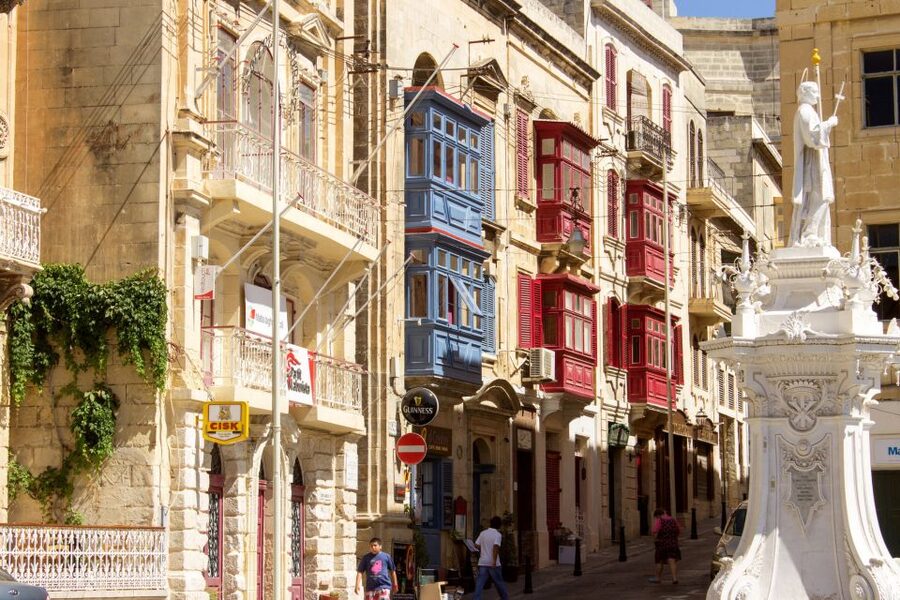
Cospicua is the first of the Three Cities on the main route. It has been inhabited since Neolithic times and is enclosed by major fortification walls, giving you an immediate sense of why this area mattered to Malta’s defenders.
The city is also known as Bormla, although the supplied tour information uses Cospicua. Its position between the other two cities helped make it part of a linked defensive system. From the bus, the walls are easier to grasp as part of a broad military plan than they would be from a single street corner.
The old bus is useful here because you can cover more ground before deciding where to return on foot. If you are new to Malta, this first pass helps you identify the areas that deserve a closer look later.
There is a limit, though. You are not given a long walking visit inside Cospicua, and you should not expect detailed access to every fortification. Think of this section as a visual introduction with commentary, not a site-by-site archaeological tour.
Same city, a different seat on the bus:
- Malta: Hop-On Hop-Off Bus Tours
★ 4.0 · 2,041 reviews - From Sliema: Gozo, Comino & The Blue Lagoon Boat & Bus Tour
★ 4.4 · 1,931 reviews - Gozo: City Sightseeing Hop-On Hop-Off Bus Tour
★ 4.2 · 1,117 reviews - Malta: City Sightseeing HOHO Bus Tour & Optional Boat Tour
★ 3.4 · 1,021 reviews
Vittoriosa and Malta’s maritime past
Vittoriosa, also called Birgu, is the city most closely tied to maritime, commercial, and military life in the Cottonera area. It is home to the historic Vittoriosa Waterfront, the Palace of the General of the Galleys, the treasury of the Order of St. John, and the Malta Maritime Museum.
The tour helps you see these places in context, even though museum admission is not included. If one of the museums catches your interest, you can return on your own with a separate ticket and give it the time it deserves.
This is where the commentary earns its keep. The story is not only about attractive stone buildings. The waterfront and military sites connect to Malta’s role in Mediterranean power struggles, and the guide explains how the cities fit into the Great Siege of 1565 and the events of 1942.
Road conditions and local roadworks can affect the exact route. A previous trip had difficulty reaching Vittoriosa because of construction, so keep your expectations flexible. The city remains central to the subject of the tour, but a temporary closure may mean a changed drive or less direct access.
Senglea and the smaller-town atmosphere
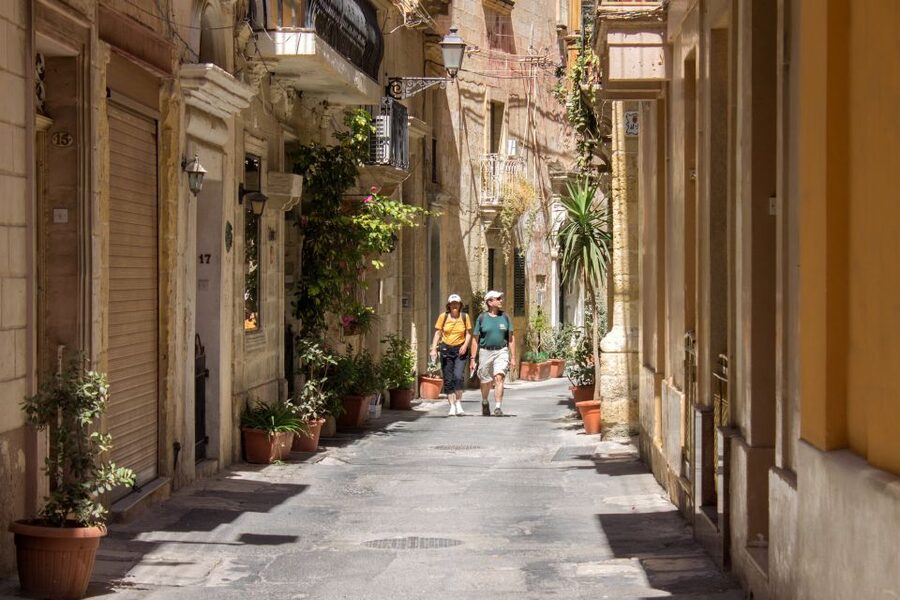
Senglea is the third city, a walled town linked to Cospicua by a land bridge built during the period of the Knights of St. John. It was once used as a hunting area and was known as L’Isola di San Giuliano.
Senglea feels different from the larger, more open harbor areas. Its walls and compact streets show how the Three Cities were planned around defense, access, and control of the water. You can take photographs of the architecture and small squares during the stops, though the exact pause can depend on traffic and local events.
The town is also a good reminder that the Three Cities are not simply three versions of Valletta. Each has its own position, street pattern, and past. The bus route lets you compare them without wearing yourself out on Malta’s hills and hard paving.
A local festa or road closure may alter the planned path. That can be inconvenient, but it may also reveal how strongly these towns still use their streets and squares for community life. If the bus cannot reach one corner, the guide may adjust the route rather than wait.
The Great Sieges in plain English
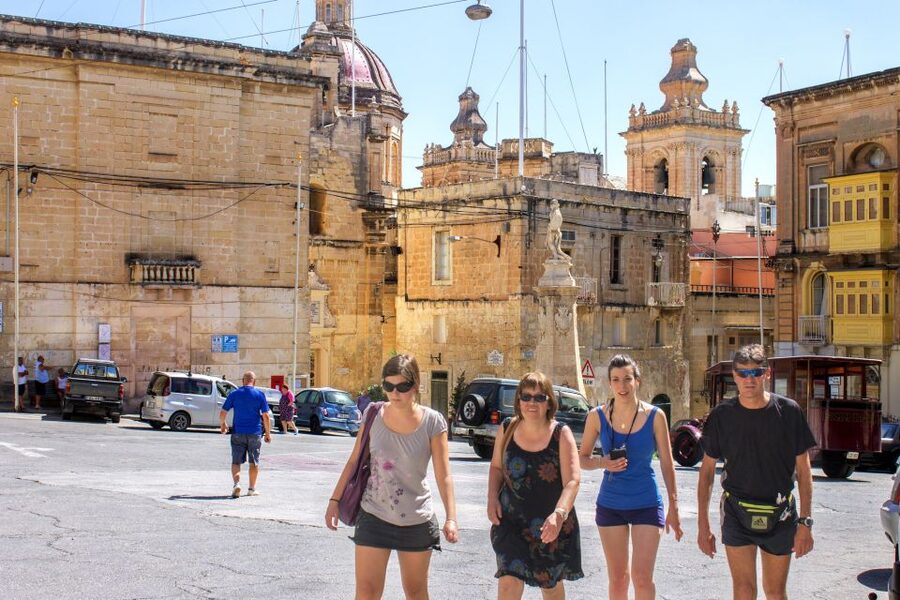
The historical focus is the role of the Three Cities in the Great Sieges of 1565 and 1942. The first refers to the Ottoman siege of Malta, when the Knights of St. John and the island’s defenders faced a major attack. The second connects the same fortified harbor area with Malta’s wartime experience during World War II.
You do not need a detailed military background before boarding. David explains the places as you pass them, linking walls, harbors, and town positions to the larger story.
That approach works well for me because the history remains tied to physical sights. A wall is not just old stone when you understand why it was built and what it protected. At the same time, the ride is not a replacement for a serious history museum or a specialist walking guide.
If you want dates, military strategy, and long explanations, you may find the moving format too brief. If you want enough background to make the streets and buildings more meaningful, the commentary should give you a useful base.
Photo stops, a short break, and the pace of the route
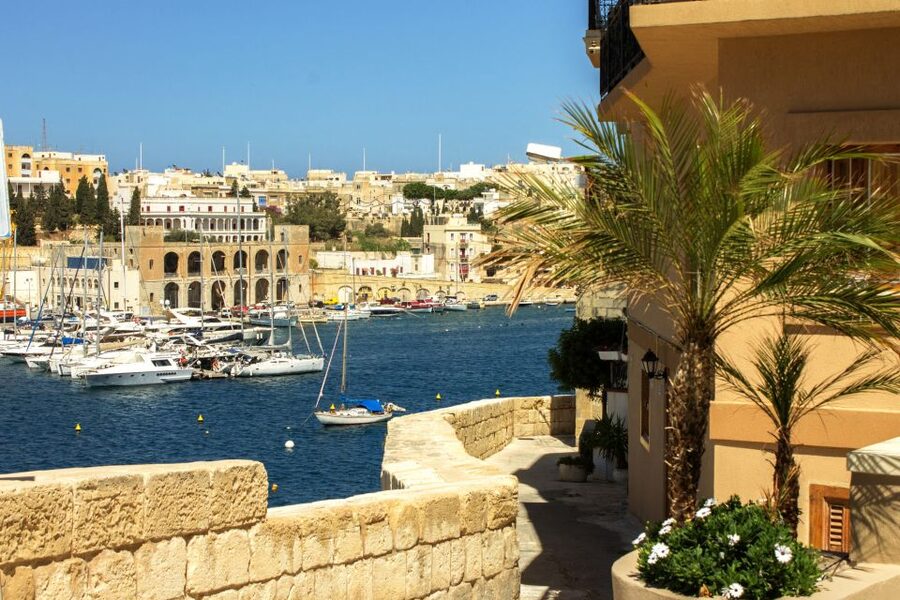
The tour includes time to take pictures and a short break. One earlier itinerary included roughly ten minutes for a toilet stop, and another included time for coffee and cake at a small cafe with a blue door in a market square.
Because exact stopping arrangements can change, do not count on a particular cafe or refreshment. Bring water, especially in warm weather, and use the break for the facilities if you need them. The pause also helps keep the outing from feeling like 90 straight minutes on a moving vehicle.
The photo opportunities are a real advantage for solo visitors. David has helped passengers take pictures of themselves, which is a small but welcome service when you are traveling alone.
The schedule is not built around long walks. That makes it a good choice if you want to see a large section of Malta without spending the afternoon climbing streets. It also means you will have to accept quick views of some places rather than extended time inside them.
Is $24 good value?
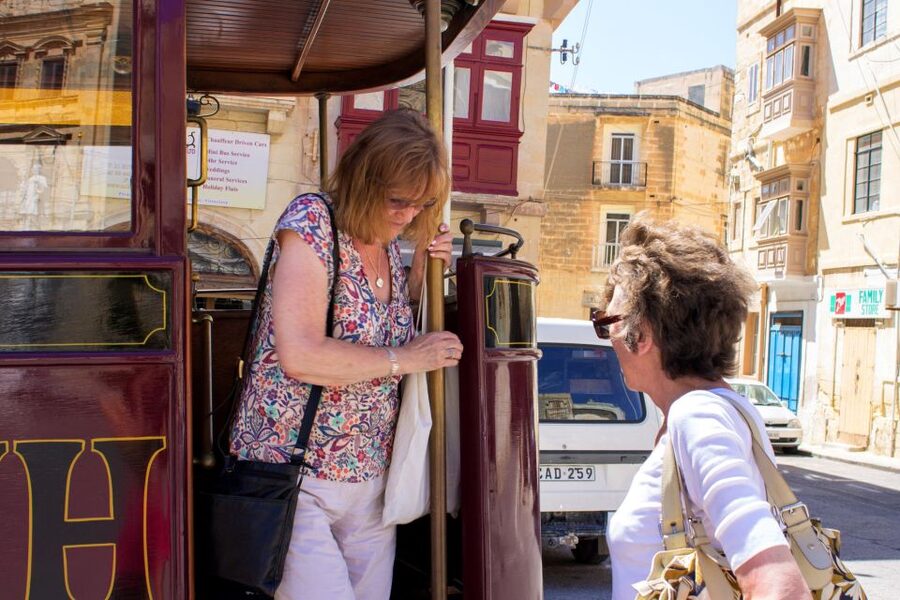
At $24 per person, I consider this a fair price for a short orientation tour with a distinctive vehicle and a live English-speaking guide. You are paying for the old bus, the route through several towns, the commentary, and a few chances to stop, not for museum admissions.
The value is strongest if you are visiting Malta for the first time and want to understand the layout of the Three Cities before returning independently. It is also strong for families, older visitors who prefer not to walk for hours, and anyone who enjoys historic transport.
The value is weaker if your main goal is to enter museums or spend long periods inside the cities. Those costs are separate, and the tour does not give you enough time to explore every landmark in depth.
The 90-minute length keeps the price manageable and the commitment low. You can still visit a museum, take a harbor walk, or spend time in Sliema on the same day.
Comfort, access, and who should skip it
This is not the right outing for people with back problems. Malta’s roads can be uneven, and the vintage bus has a firm, lively ride even when the driver takes care over speed bumps.
The old vehicle is part of the charm, but it may not offer the same comfort, space, or easy boarding as a modern sightseeing coach. If you need a very smooth ride, ask yourself if the historic vehicle is worth the trade-off.
I would recommend it to:
- First-time visitors who want a clear introduction to the Three Cities
- People interested in old buses and traditional transport
- Families looking for a short outing with a story attached
- Solo visitors who value planned photo stops
- Anyone who prefers seeing a broad area before choosing where to walk later
I would skip it if you want a full walking tour, museum time, or a highly predictable route unaffected by roadworks and local events.
Timing, cancellation, and the small print
The tour runs on Tuesdays at 2:30 p.m. and does not operate on public holidays. Check the current date before planning your day around it.
You can cancel up to 24 hours ahead for a full refund. You can also reserve now and pay later, which helps if your Malta plans are still shifting.
The tour is conducted in English, and museum tickets are not included. The practical meeting instruction is simple: arrive at Sliema Ferries by 2:15 p.m. and look for David near Tanti Ice-Cream Kiosk.
Should you book the vintage bus ride?
Book it if you want a fun, low-cost introduction to Malta’s Three Cities and understand that the vintage bus is as important as the sightseeing. David’s friendly explanations, photo opportunities, and broad route make this a useful first look at Cospicua, Vittoriosa, Senglea, and the surrounding harbor towns.
Do not book it expecting a detailed walking tour or a smooth modern coach. Bring patience for road changes, a cushion if your back is sensitive, and time to explore the places that catch your eye later. For $24, this is a good way to get your bearings, hear the story of the fortifications, and enjoy a piece of Malta’s transport past.
FAQ
Where does the vintage bus tour leave from?
The tour leaves from Sliema Ferries at the seaside, near Tanti Ice-Cream Kiosk.
What time should I arrive?
You should arrive at 2:15 p.m. for the 2:30 p.m. departure and look for David, the driver.
On which day does the tour operate?
The tour operates on Tuesdays at 2:30 p.m.
How long does the tour last?
The vintage bus ride lasts 90 minutes, or one and a half hours.
What language is the commentary in?
The driver provides commentary in English.
Which places does the bus pass through?
The route passes through Valletta, Gzira, Ta’ Xbiex, Msida, Pieta’, Marsa, Paola, and the Three Cities of Cospicua, Vittoriosa, and Senglea.
Are museum tickets included?
No. Museum entrance tickets are not included in the tour price.
Is the tour suitable for people with back problems?
No. The tour is not suitable for people with back problems because the vintage bus ride can be bumpy.
Can I cancel for a refund?
Yes. You can cancel up to 24 hours in advance for a full refund.
Just added around Malta
- Gozo Full-Day Group Coach Tour including Lunch and Transfers★ 3.5 · 4 reviews
- St. Paul’s Bay: Blue Lagoon, Comino & Gozo with Bus Tour★ 4.6 · 142 reviews
- Sliema: Gozo Full Day with Opentop Bus and Comino Caves★ 5.0 · 2 reviews
- Vintage Bus: Mdina, Clapham Junction, Buskett, Dingli Cliffs★ 3.8 · 50 reviews
- Malta: Private Chauffeur-Driven Vintage Bus★ 4.5 · 4 reviews
- Malta: 2-Day Hop-On Hop-Off Bus & Harbour Cruise (CMO)★ 4.1 · 12 reviews
- iSeeGozo Day Pass with Ferry & Gozo Bus Hop-On Hop-Off (CMO)★ 3.6 · 10 reviews
- Hop-On Hop-Off Bus Malta (North and South Routes – CMO)★ 3.1 · 19 reviews
Malta Bus Tours, compared.

From Sliema: Gozo, Comino & The Blue Lagoon Boat & Bus Tour
Read our review →
Gozo: City Sightseeing Hop-On Hop-Off Bus Tour
Read our review →
City Sightseeing HOHO Bus Tour & Optional Boat Tour
Read our review →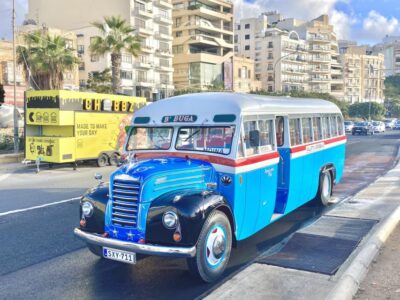

5 hr Vintage Bus Tour – Mdina & Blue Grotto inc. food
Read our review →Browse the lists this tour appears in