
REVIEW · REYKJAVIK
8-Day Small Group Tour Around Iceland from Reykjavik
Iceland packs an astonishing amount into this eight-day circuit: geysers, black beaches, glacier ice, whale-filled fjords, lava caves, fishing villages, and waterfalls that seem to appear around every bend. You cover roughly 2,200 kilometers, but someone else handles the driving and daily logistics.
I like the mix of included adventure and free time, especially the glacier hike, ice cave, and whale watch. I also like the small group format, with a maximum of 18 people and guides such as Thor, Erla, Gylfi, and Pauli praised for clear safety instructions, humor, and good local stories. The main drawback is the pace: you change hotels often, spend long hours on the road, and may find a full minibus tight for eight days.
Key details before you book
- Seven nights in changing accommodations: Expect clean, simple hotels and country guesthouses, with breakfast included each morning.
- Three major active outings: The glacier hike, ice-cave visit, and Hauganes whale watch are part of the package.
- A genuine Ring Road circuit: You reach South Iceland, the East Fjords, Lake Mývatn, Akureyri, Snæfellsnes, and West Iceland.
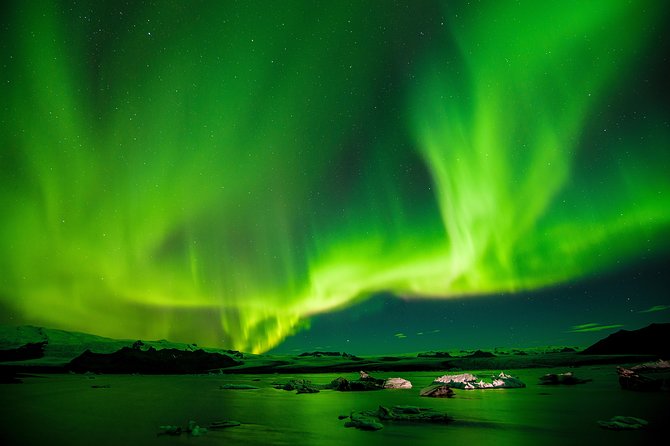
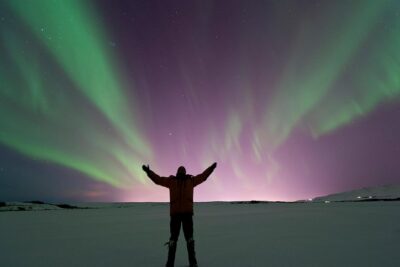
- Northern Lights chances: Rural overnight stops such as Hvolsvöllur, Vík, Akureyri, and areas near Grábrók offer dark skies, mainly from September through March.
- Pack for walking and wet weather: Waterproof layers, sturdy ankle boots, gloves, and light luggage will make the trip much easier.
- Extras cost extra: Horseback riding, Vök Baths, the Víðgelmir lava cave, and several clothing rentals are not included.
Why this eight-day route works
At $2,777.76 per person, this is not a cheap bus trip. It is a packaged journey that includes transport, seven nights of accommodation, seven breakfasts, an English-speaking driver-guide, WiFi, whale watching, a glacier hike with safety equipment, and an ice-cave outing with safety equipment.
That bundle has real value in Iceland, where hotels, meals, car hire, fuel, and guided activities can quickly add up. You also avoid the hard work of driving in fast-changing weather and planning a route across 2,200 kilometers.
The tradeoff is control. You cannot linger for half a day at your favorite waterfall or choose a different hotel each night. Most days run roughly from morning until late afternoon, and the group must keep moving.
The minibus holds up to 18 people. That is still far more personal than a large coach, but the difference between 13 or 15 people and a full 18 matters. With luggage, camera gear, and winter clothing, space can feel limited. Pack light: a small carry-on and daypack are much easier to manage than a large suitcase.
Other bus tours people book around Reykjavik:
- From Reykjavik: Northern Lights Bus Tour with Hot Cocoa
★ 4.3 · 13,947 reviews - Northern Lights Bus Tour from Reykjavik with Hot Chocolate
★ 4.0 · 1,782 reviews - The Golden Circle Guided Bus Tour from Reykjavik
★ 4.5 · 1,726 reviews
Day 1: Þingvellir, Geysir, and Gullfoss
The opening day introduces Iceland through the Golden Circle. Þingvellir National Park gives you two stories at once. It is the historic home of the Althingi parliament, founded in 930, and a place where the North American and Eurasian tectonic plates pull apart.
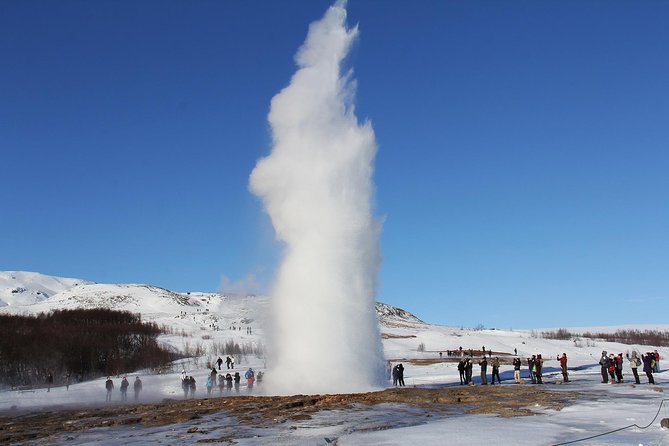
You then visit the Geysir geothermal area, where bubbling pools and steam vents surround Strokkur. The active geyser erupts every few minutes, sending boiling water up to about 25 meters. It is a short stop, but the frequent eruptions make it easy to see the main event.
Gullfoss completes the classic trio. The route description lists Gullfoss at the start of the day, while the other Golden Circle stops are Þingvellir and Geysir. Either way, you should expect the famous waterfall to be part of this opening circuit.
The first overnight is in Hvolsvöllur, away from city lights. That gives you an early chance to see the Northern Lights outside your accommodation if the sky is clear. The key phrase is chance: aurora sightings depend on darkness, cloud, and solar activity.
Day 2: Waterfalls, black sand, and a glacier hike
South Iceland begins with Seljalandsfoss, a waterfall famous for the path behind its falling water. Waterproof clothing is useful here, not optional fashion. Spray can reach the walking path, and the ground may be slippery.
Skógafoss is broader and more forceful, dropping 60 meters into a gorge. You get a powerful front-on view, and the mist often adds to the drama. These stops are short on paper, but guides may adjust timing when weather or group needs require it.
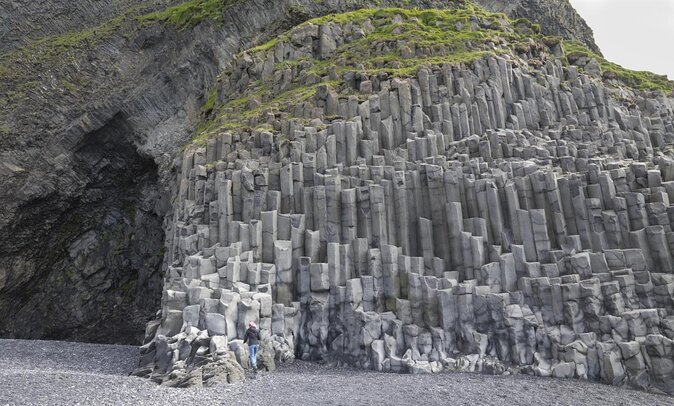
Reynisfjara brings you to black volcanic sand, basalt columns, and the rough Atlantic. The beach is striking, but it is also a place to take conditions seriously. Stay alert near the water and follow the guide’s instructions.
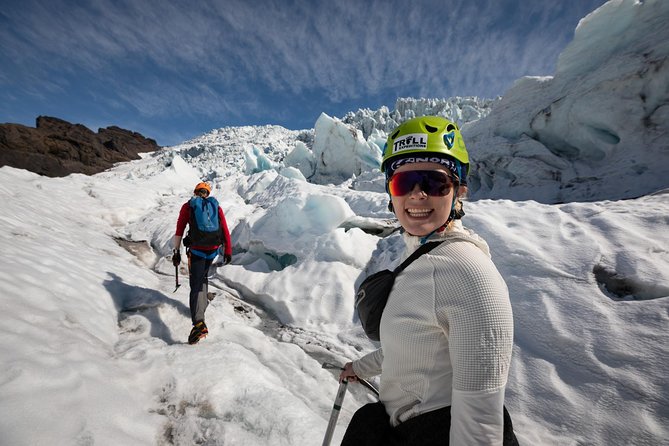
The major activity is a three-hour guided hike on Sólheimajökull. Safety equipment is included, and the route crosses glacial ice marked with volcanic ash. It is one of the trip’s most memorable outings, but it is not a casual stroll. One 70-year-old participant described it as challenging, though the glacier guides offered help throughout.
You sleep in Vík í Mýrdal, a small village with limited light pollution. That makes it another useful Northern Lights base. It also means you should not expect a wide urban choice of evening dining or entertainment.
Day 3: Icebergs, Diamond Beach, and Crystal Ice
Jökulsárlón Glacier Lagoon is one of Iceland’s essential sights. Icebergs break away from the glacier, float in the lagoon, and drift toward the sea. Seals may be visible, particularly in winter, adding movement to an already remarkable scene.
Across the road, Diamond Beach displays chunks of glacial ice on black sand. Some pieces are small and clear, while others are large enough to look like polished sculptures. The beach changes constantly, so your visit will not look exactly like anyone else’s photographs.
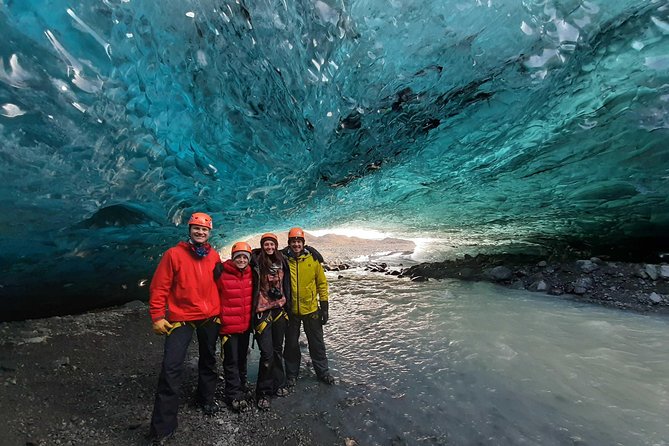
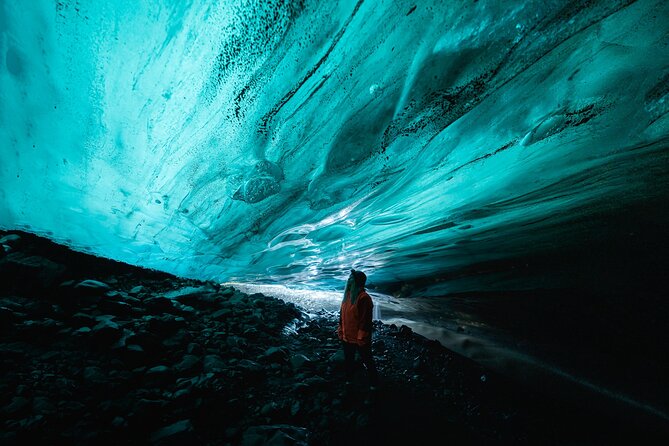
The three-hour ice-cave excursion takes you into the Vatnajökull glacier area. Safety equipment is included. Natural ice formations change over time, and the exact cave experience can vary. One useful expectation to set is that an ice cave may feel smaller than the dramatic photographs suggest. The outing is still valuable for seeing glacial ice from the inside, but it is not a giant underground hall.
This is one of the longest, most scenic days, with views toward Hvannadalshnjúkur, Iceland’s highest peak at 2,110 meters. You are seeing major sights, but you are also spending substantial time on the road. That balance defines this tour.
Same city, a different seat on the bus:
- Reykjavik: Golden Circle, Crater & Blue Lagoon Minibus Tour
★ 4.9 · 1,583 reviews - Reykjavik: City Sightseeing Hop-On Hop-Off Bus Tour
★ 3.9 · 1,283 reviews - Northern Lights Guided Bus Tour from Reykjavik
★ 4.0 · 1,183 reviews - City Sightseeing Reykjavik Hop-On Hop-Off Bus Tour: 24 or 48-Hour
★ 3.0 · 839 reviews
Day 4: The quieter East Fjords
The East Fjords bring a slower mood. Mountain ridges drop toward fishing villages, and the route passes near Vatnajökull. Djúpivogur is a pleasant first stop, known for its Cittaslow membership and relaxed pace.
Búlandstindur, a sharply shaped pyramid mountain, gives this part of the route a memorable landmark. The East Fjords are also Iceland’s main area for possible wild reindeer sightings, though wildlife is never guaranteed.
Horseback riding at Finnstaðir is optional and costs extra. The local Icelandic horse is small, sturdy, and known for a gentle temperament. If you want this activity, contact the operator before the trip rather than assuming it is included.
You may also hear stories about the Lagarfljótsormur, Iceland’s lake monster, near Lake Lagarfljót. Hallormsstaðarskógur, Iceland’s largest forest, is nearby. Iceland’s biggest surprise here is not one single attraction, but the contrast with the busier southern stops.
Vök Baths is another optional add-on. Its floating pools sit on Lake Urriðavatn, with onshore pools, a sauna, a cold tunnel, and an outdoor pool bar. It is a sensible way to end a long day, but budget for it separately.
Day 5: Geothermal Mývatn and Akureyri
Námaskarð looks almost otherworldly, with sulfur-colored mud springs and steam rising from fumaroles. The smell can be strong, so do not be surprised if your first reaction is more scientific than romantic.
Dimmuborgir, or Dark Castles, is a field of lava formations created when molten rock flowed into wet ground. The paths lead among arches and rough volcanic shapes. It is an easy place to appreciate how much of Iceland was built by fire.
Lake Mývatn adds open water to the day. The region has seen repeated volcanic activity, including eruptions between 1975 and 1984, and the area is known for Arctic char and the Laxá River’s trout fishing.
Goðafoss, the Waterfall of the Gods, is the final major stop. Its name connects the waterfall to Icelandic history, but its broad curved drop is reason enough to visit.
You spend the night in Akureyri, the northern capital, with around 20,000 people. Heart-shaped traffic signs and a lively small-town feel give it more character than its size suggests. It can also provide another Northern Lights opportunity.
Day 6: Whales and the road south
Hauganes is a small fishing village with a harbor, black sand beach, mountains, and open sea. The two-hour whale-watching boat trip heads into Eyjafjörður, one of northern Iceland’s best areas for spotting whales.
The boat trip is included, but sightings are not guaranteed. Weather can also cancel the outing. One cancelled whale watch was refunded, so this is an important part of the package to understand: the activity is included when conditions allow, but nature controls the schedule.
The route continues toward Grábrók Crater, formed two or three thousand years ago and surrounded by moss-covered lava. The crater gives you a short walk and broad views without requiring a full mountain hike.
This day has a useful rhythm, with a town visit, a major marine activity, and a volcanic stop. It also marks the shift toward western Iceland.
Day 7: The full Snæfellsnes sampler
Snæfellsnes is often called Iceland in miniature because one peninsula brings together beaches, cliffs, lava, glaciers, fishing villages, and volcanic peaks.
Gerðuberg begins the day with tall hexagonal basalt columns. Ytri-Tunga is unusual for its pale sand and possible seal sightings. At Búðir, the small black church makes a simple, memorable stop against the open surroundings.
Arnarstapi is ideal for a short coastal walk. Sea erosion has shaped cliffs, arches, and unusual rock forms, while local stories connect the area with Bárður, a half-man, half-troll figure.
Snæfellsjökull Glacier sits at the peninsula’s tip. Its fame comes partly from Jules Verne’s Journey to the Center of the Earth, which uses the volcano as an entrance to the planet’s center.
Lóndrangar’s basalt cliffs and Djúpalónssandur’s black beach add more volcanic drama. The walk to Djúpalónssandur passes through moss-covered lava formations before reaching the shore.
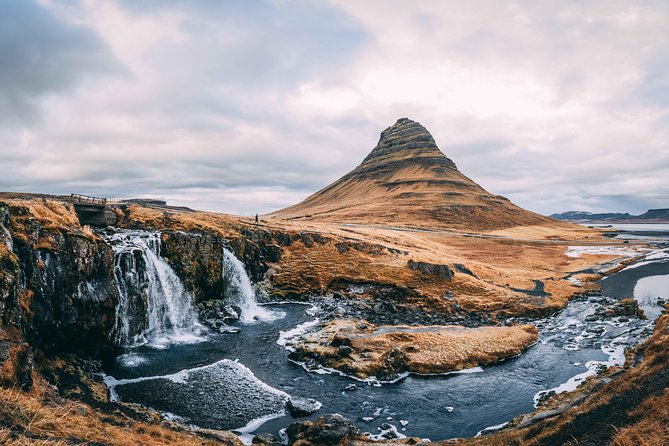
Kirkjufell is the final photo stop. Fans of Game of Thrones may recognize it as Arrowhead Mountain. The stops are brief, so expect a broad introduction rather than long hikes at every site.
Day 8: Lava waterfalls and West Iceland
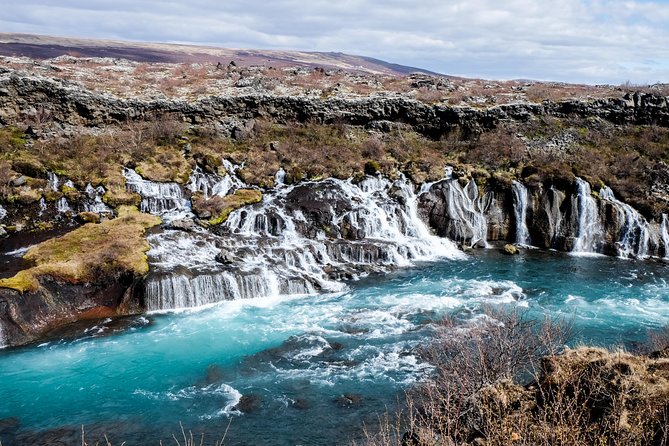
Hraunfossar is one of the route’s most unusual waterfalls. Water flows from the Hallmundarhraun lava field across roughly 900 meters, appearing to seep from the rock rather than drop from one single river channel.
Nearby Barnafoss has a darker local legend involving two children who fell into the waterfall. You get only a short visit, but the pair makes an efficient final morning stop.
Víðgelmir is Iceland’s largest lava cave. It is an optional extra, not part of the base price, and the one-hour visit gives you a chance to see volcanic formations underground. Contact the operator to add it before relying on space being available.
Deildartunguhver is Europe’s most powerful hot spring, producing about 180 liters of water per second at 100 degrees Celsius. You will see the steam and force of the spring, but this is not a place to bathe.
Reykholt closes the trip with a cultural note. It was home to Snorri Sturluson from 1206 to 1241 and has long been an important center of Icelandic writing and history. You return to Reykjavik in the afternoon.
Food, hotels, and daily comfort
Breakfast is included for all seven mornings. Lunch and dinner are not, and Iceland’s food prices can make this a major part of your budget. The route includes grocery-store stops, which let you buy snacks and simple food instead of eating every meal in a restaurant.
Accommodation ranges from country guesthouses to small city hotels. The rooms are generally clean and comfortable, but standards can vary by location. One stay in Akureyri was reported as having unpleasant rooms and a heating problem, so I would pack warm sleepwear and keep expectations practical rather than luxurious.
Guides often help with restaurant suggestions, meal timing, and grocery stops. A WhatsApp group can also be useful for sharing meeting times and photographs, so setting up an account before leaving home is sensible.
Pickup begins at 8:00 a.m. and can take up to 30 minutes. Reykjavik traffic rules mean the minibus may use a nearby designated bus stop rather than stopping at your hotel entrance. Check the exact location before the morning begins.
Fitness, clothing, and the real packing list
You do not need to be an athlete, but the trip suits people who can walk several miles over the course of a day. Some stops include slopes without handrails, and the glacier hike requires a moderate level of fitness.
Bring:
- Waterproof jacket and trousers
- Warm layers, hat, gloves, and neck covering
- Sturdy ankle boots
- Small luggage that you can lift on and off the minibus
- Snacks and a reusable shopping bag
- A towel or cloth for waterfall spray and geothermal bathing
Boots, waterproof clothing, hats, gloves, and luggage storage are available at extra cost. Rental prices listed are 4,000 ISK for hiking boots, 3,000 ISK each for a waterproof jacket or trousers, and 3,000 ISK for a hat and gloves combination.
Who should book this tour?
Book it if you want to see nearly every major part of Iceland without renting a car, planning hotels, or driving in snow, wind, and rapidly changing conditions. It is especially useful for a first Iceland visit, photographers who want many viewpoints, and people who value a guide’s local stories.
Think twice if you dislike early starts, frequent hotel changes, long minibus days, or group schedules. A self-drive trip gives you more freedom, but it also puts every road decision and booking in your hands.
The strongest part of this tour is the guide. Names change by departure, but guides such as Thor, Erla, Gylfi, Pauli, Johan, and Heidrun have been praised for safety, patience, humor, clear instructions, and calm changes when weather disrupts plans. That human element matters in Iceland.
Should you book it?
I would book this tour for a first visit when your priority is seeing the country’s major natural sights with minimal planning. The glacier hike, ice cave, whale watch, rural overnight stops, and Snæfellsnes route give you more than a simple Golden Circle package.
I would not book it expecting luxury, leisurely mornings, or guaranteed Northern Lights and whale sightings. Travel light, budget for meals and optional activities, and confirm every included experience if the operator changes your arrangements. Free cancellation is available up to 24 hours before the start time, but changes or cancellations inside that window are not accepted or refunded.
FAQ
How long is the tour?
The tour lasts approximately eight days and includes seven nights of accommodation before returning to Reykjavik on the afternoon of Day 8.
What is included in the price?
The package includes the guided minibus tour, seven nights of accommodation, seven breakfasts, WiFi, designated pickup and drop-off, whale watching from Hauganes, a glacier hike with safety equipment, and an ice-cave tour with safety equipment.
How many people are in the group?
The maximum group size is 18 people. The minibus can hold that number, though a group smaller than the maximum will generally feel more comfortable during a long journey.
Are meals included?
Seven breakfasts are included. Lunches and dinners are not included, so you should plan a separate food budget.
Are the Northern Lights guaranteed?
No. The tour provides several overnight stops with low light pollution and opportunities to see the Northern Lights, but sightings depend on clear skies and suitable conditions.
Can I cancel for a full refund?
You can cancel for a full refund up to 24 hours before the experience starts. Cancellations or changes made less than 24 hours before the start time are not accepted or refunded.
Just added around Reykjavik
- The Golden Circle & Hop On – Hop Off Combo Deal★ 4.5 · 15 reviews
- Reykjavík: Northern Lights Minibus Tour with Photos★ 4.1 · 117 reviews
- Reykjavik: Northern Lights Comfort Coach with Surprise★ 4.6 · 241 reviews
- Reykjavík: 4×4 Minibus Northern Lights with Photo and Cocoa★ 4.4 · 217 reviews
- Reykjavik: Golden Circle, Kerid, and Fridheimar Minibus Tour★ 4.8 · 509 reviews
- Northern Lights in Mini Bus, Photos, Hot Cocoa and Pastries★ 5.0 · 3 reviews
- Reykjavík: Golden Circle Minibus Tour & Blue Lagoon Transfer★ 4.9 · 546 reviews
- From Reykjavik: Volcanic Peninsula & Grindavik Minibus Tour★ 4.4 · 35 reviews
Reykjavik Bus Tours, compared.
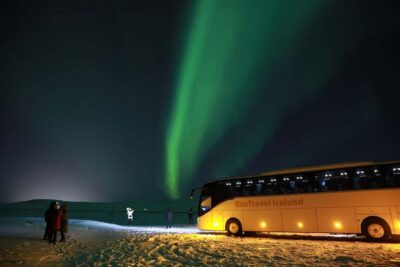
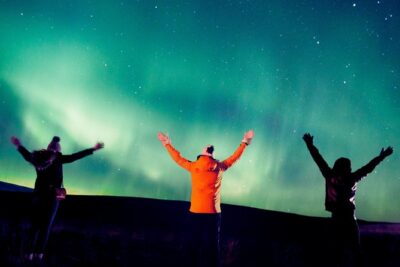
Northern Lights Bus Tour from Reykjavik with Hot Chocolate
Read our review →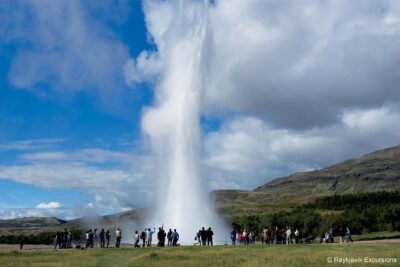
The Golden Circle Guided Bus Tour from Reykjavik
Read our review →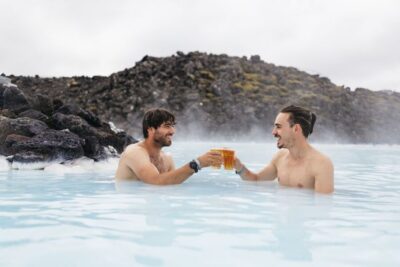
Golden Circle, Crater & Blue Lagoon Minibus Tour
Read our review →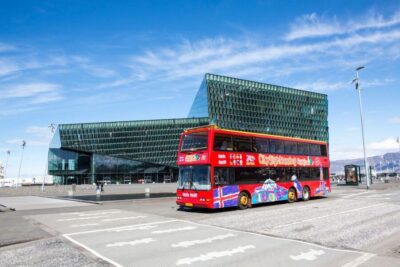
Northern Lights Guided Bus Tour from Reykjavik
Read our review →
City Sightseeing Reykjavik Hop-On Hop-Off Bus Tour: 24 or 48-Hour
Read our review →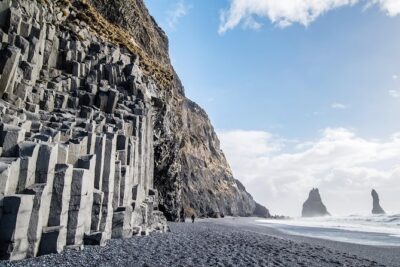
Glacier Hike and South Coast Small-Group Tour from Reykjavik
Read our review →Browse the lists this tour appears in