
REVIEW · USA
Waikiki Trolley Hop-On Hop-Off Tour of Honolulu
The best thing about the Waikiki Trolley is the freedom to build your own Honolulu day without renting a car or wrestling with city traffic. You can ride the scenic Blue Line toward Diamond Head, follow the Red Line through downtown and Chinatown, or use the shorter hotel and shopping routes for practical transportation.
I like the excellent local narration, especially when guides such as Oli, Sam, Duke, Tyler, and Tim are at the wheel. I also like the chance to use one pass for sightseeing and simple errands, such as reaching Ala Moana Center or Foodland. The main drawback is timing: trolleys can fill quickly, and advertised intervals are not always dependable.
Key points to know
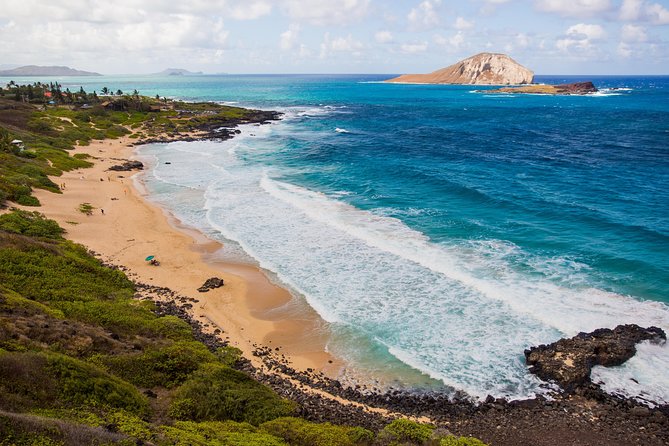
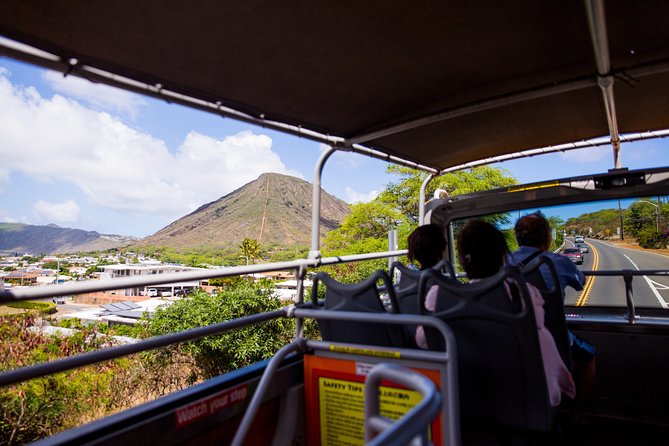
- Blue Line views: The east side route brings you past Diamond Head, the Waikiki Aquarium, Hanauma Bay area views, Halona Blow Hole, and Sea Life Park.
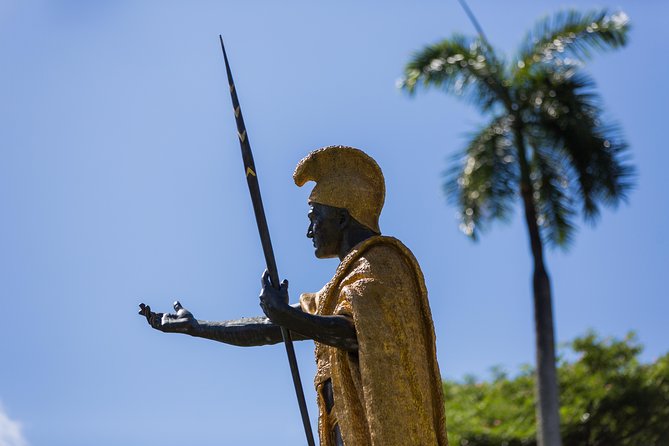
- Red Line history: Downtown Honolulu, Iolani Palace, the State Capitol, King Kamehameha Statue, Chinatown, and Aloha Tower form the strongest history-focused ride.
- Flexible passes: Choose 1, 4, or 7 days, with either a single-line ticket or access to all five lines.
- Good car-free transport: The trolley helps connect Waikiki with Ala Moana, Kakaʻako, downtown, and selected Oahu sights.
- Plan for full vehicles: Blue Line service is listed about every 40 minutes, but waits can stretch beyond an hour and some rides may have standing room only.
- Admissions are separate: The ticket covers the trolley only. It does not include Diamond Head admission, food, drinks, or attraction entry.
A simple way to get your bearings in Honolulu
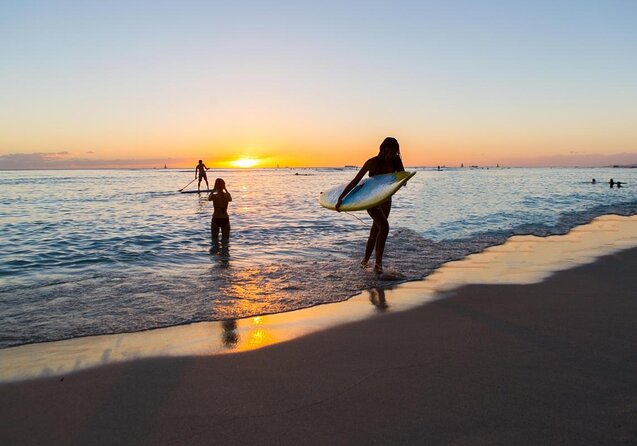
Honolulu is easy to explore in pieces, but the pieces are spread out. Waikiki, Diamond Head, downtown, Chinatown, Kakaʻako, and Ala Moana each have a different feel. Walking works well within Waikiki, but it becomes less practical when you want to combine the beach, a crater view, a museum, and downtown landmarks in one day.
That is where this trolley earns its keep. You can begin at 320 Royal Hawaiian Avenue, across from Waikiki Shopping Plaza, then ride without planning every turn. Stay aboard for a narrated overview, or hop off when something catches your eye and pick up another trolley later.
A single circuit takes roughly two hours, though your actual sightseeing time depends on the route, traffic, stops, and how long you wait for the next vehicle. The pass is offered for one, four, or seven days. You can select one line or pay for access to all five, which is the better choice if you want both sightseeing and transportation.
The listed price is $22 per person, but confirm the price for your chosen pass before booking. The value is strongest when you use the trolley several times, especially if you want to avoid parking and do not plan to rent a car. It is less compelling if you only want one short ride around Waikiki.
More Hop-On Hop-Off Bus Tours in the USA
- Savannah Hop-On Hop-Off Trolley Tour
★ 4.5 · 6,527 reviews - New York: Hop-on Hop-off Sightseeing Tour by Open-top Bus
★ 4.2 · 5,863 reviews - Nashville Hop On Hop Off Trolley Tour
★ 4.5 · 5,643 reviews
The Blue Line is the scenic choice
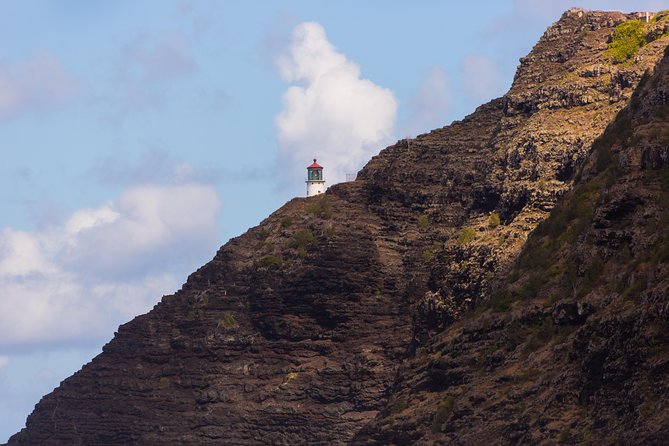
If I had to pick one route for a first look at Oahu, I would start with the Blue Line. It follows the coast and east side of Honolulu, giving you open views and a sense of how quickly Waikiki changes once you leave the hotel district.
From Waikiki Shopping Plaza, the route passes the Duke Paoa Kahanamoku Statue, the Honolulu Zoo, and the Waikiki Aquarium. These are easy first stops if you want a short walk, a swim-side stroll, or a closer look at one of Waikiki’s best-known public spaces.
The route then continues toward Kahala Mall and the Halona Blow Hole area. The blow hole is one of the more memorable stops because it provides a break from buildings and traffic. You also pass the Koko Marina Center and Sea Life Park, giving you access to a wider stretch of the southeast side.
The Blue Line includes Diamond Head Market & Grill, Aloha Pineapple Cafe, Rainbow Drive-In, and Local Foods as food-oriented stops. These are useful if you want to pair sightseeing with a casual meal, though food is not included in the ticket.
Diamond Head Crater is the major stop. The trolley gets you close to the famous volcanic landmark, but the ride does not include admission or the hike. Do not treat a trolley ticket as a crater entry ticket. If you plan to hike, check the separate admission requirements before setting out.
The KCC Farmers’ Market appears on the route on Saturdays only. That makes Saturday a particularly appealing day for the Blue Line, though you should allow time for the market itself and not expect to see the entire route at a relaxed pace in one short outing.
The biggest Blue Line issue is frequency. Service is advertised at about 40-minute intervals, and waits can be longer. Get to your stop early, especially if you need to make a connection or have a fixed booking elsewhere.
The Red Line tells Honolulu’s story
The Red Line is the best fit if you want more than beach scenery. It runs through central Honolulu and links major political, cultural, and historic sights.
The route includes the Honolulu Museum of Art, which is closed Mondays through Wednesdays according to the supplied schedule. That detail matters. If you want to visit the museum, plan for the days it is open rather than simply assuming the trolley stop guarantees access.
Next come the Hawaii State Capitol and Iolani Palace. These are among the most important stops for understanding Hawaii’s government and royal past. The nearby King Kamehameha Statue is another essential sight, especially if you want a classic Honolulu photograph without spending much time away from the trolley route.
Punchbowl Crater and the National Memorial Cemetery of the Pacific offer a quiet change of pace. Foster Botanical Garden adds another possible stop before the trolley continues toward the Izumo Taishakyo Mission of Hawaii and Royal Kitchen.
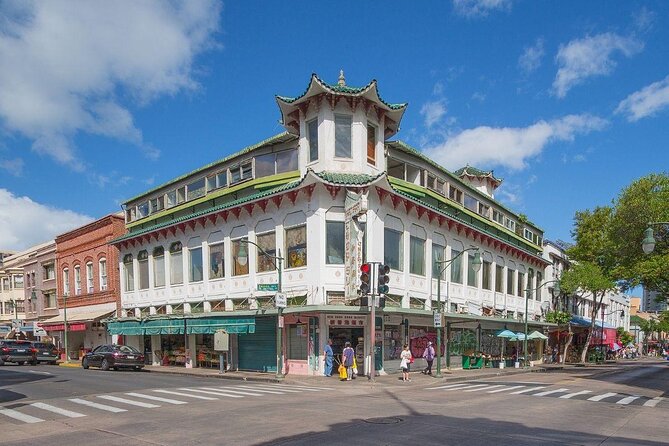
The Chinatown stop connects with downtown Honolulu and the Hawaii Theatre. Chinatown can be interesting, but it is not a polished sightseeing district at every corner. Conditions can vary, and you should pay attention to your surroundings. The important practical point is to confirm where and when you can board the next trolley before getting off. A passenger who could not find the pickup point near the Capitol ended up using a rideshare to leave the area.
The final downtown stops include the King Kamehameha Statue, Aloha Tower Marketplace, and Honolulu Harbor. The Aloha Tower stop adds context about the port and the city’s development. From there, the line reaches SALT at Our Kakaʻako, Ward Centre, and Ala Moana Regional Park.
The Red Line is also where the guide can make a big difference. Sam has been praised for combining useful information with humor, while Duke has been singled out for explaining Honolulu culture, local figures, and people such as entertainer Don Ho. The exact guide varies, but the strongest rides are not silent transfers. You get a moving introduction to the city.
Pink, Green, and the practical Waikiki routes
Not every route is designed as a full sightseeing circuit. Some are most useful for moving around Waikiki and reaching shopping areas.
One route connects Waikiki hotels with Ala Moana Center. Stops include the Duke Kahanamoku Statue, Twin Fin Hotel, Hilton Waikiki Beach Resort, Marugame Udon, Courtyard by Marriott Waikiki Beach, Hotel La Croix, and several Hilton or Aqua properties.
It then reaches Ala Moana Center, the Ilikai Hotel, Hale Koa Hotel, and Ka Laʻi Waikiki Beach. This is a practical choice when you want shopping, groceries, food, or a break from walking. One person used the Pink Line to reach Foodland for groceries, which shows the pass can serve everyday needs as well as sightseeing.
Another route begins near Ilikai Hotel and Hale Koa, loops through Waikiki Shopping Plaza and the Duke statue, then continues to the Honolulu Zoo, Diamond Head Crater, and the Saturday KCC Farmers’ Market. This route can be handy if you are staying near the western end of Waikiki and want to reach the east side without changing hotels or arranging a car.
Green Line service deserves a timing warning. A ticket sold for the Green Line after that line had stopped running created a serious disappointment, so confirm the operating schedule for your date. The all-line ticket may sound flexible, but it does not help if a selected route has finished for the day.
The all-line pass also requires more planning than it first appears. If you need to return to the main starting area to change routes, a late trolley or crowded vehicle can eat up a large part of your day.
More Open-Top Bus Tours in the USA
- Boston Hop-On Hop-Off Trolley Tour with 13 Stops
★ 4.5 · 5,576 reviews - Big Bus NYC: Hop-On Hop-Off Sightseeing Tour by Open-top Bus
★ 3.5 · 4,762 reviews - Waikiki Trolley Blue Line Coastline & Local Grindz Hop-on Hop-off
★ 5.0 · 4,159 reviews - Hop-on Hop-off Sightseeing Tour by Open-top Bus with 18 Stops
★ 3.5 · 3,848 reviews
Guides add more than transportation
The vehicle is only half the experience. The narration gives the ride its character, and the strongest guides turn a transfer into a local introduction.
Tyler and Tim have been praised for handling Honolulu traffic while keeping the ride informative. Oli has been described as funny and engaging on the Blue Line, which is useful on a route where you spend a fair amount of time looking out at the coast. Sam brings humor to the Red Line, and Duke offers a strong explanation of local culture and notable people.
You should still keep expectations realistic. Some parts of the ride are mostly a view of buildings from the street, not a guided visit inside them. The narration is most useful when you treat it as orientation: listen for places you want to revisit, then return on foot or by another ride.
The guides are also not identical from one departure to the next. That means the quality of the commentary can vary. Still, the overall rating of 4.7 from 4,783 reviews and a 92 percent recommendation rate show that the narration is one of the service’s strongest features.
Crowds and waits can shape your day
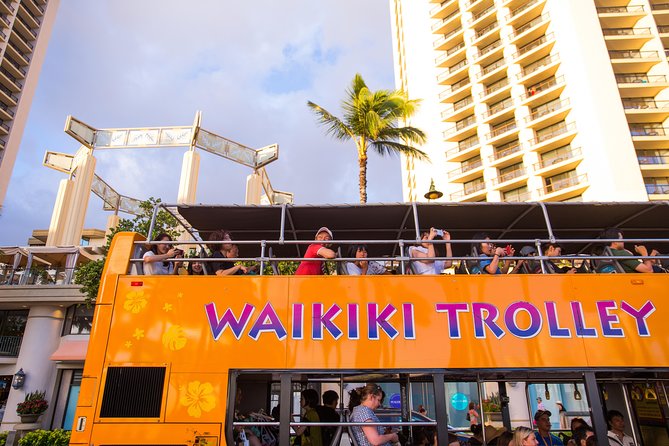
The main weakness is capacity. At busy times, especially peak season, a trolley may arrive already full. You might have to stand, wait for the next vehicle, or watch a trolley leave without you.
This is particularly frustrating on the Blue Line, where the stated 40-minute interval can become more than an hour. One full vehicle could not take everyone waiting at a stop. If you have limited time, build in extra room and avoid planning a paid attraction immediately after a trolley connection.
Arrive early at your chosen stop. The main redemption point is at 320 Royal Hawaiian Avenue, across from Waikiki Shopping Plaza, and that location is easy to find. If you use another stop, make sure it is clearly marked and confirm the direction of travel.
Ticket redemption has also caused confusion. You may be able to use the app instead of walking to collect a ticket, so check your booking instructions carefully. Do not assume that showing up at the nearest trolley stop automatically converts your purchase into a boarding pass.
The open-air design is pleasant in good weather, but the covered sections may not keep you dry in heavy rain. A leaky pink trolley roof has been reported, so bring a light rain layer if the forecast looks unsettled.
What the ticket includes, and what it does not
The ticket covers unlimited hop-on hop-off use for the duration of the pass you select, either one, four, or seven days. Depending on your purchase, you can choose one line or all five.
It does not cover:
- Food or drinks
- Hotel pickup or drop-off
- Admissions to Diamond Head or other attractions
- Separate activities at the stops
The trolley is not a guided hike. It brings you to sights, but you pay and plan separately for entry. This distinction is especially important at Diamond Head.
The pass suits you best if you will ride more than once. A single ride can be interesting, but the real value comes from combining sightseeing with transport. Use the trolley in the morning to learn the city, get off at one or two stops, then board again later.
The service is also well suited to people who want to avoid driving. You do not need to search for parking, and you can let the driver handle Honolulu traffic. That convenience has real value in Waikiki, where a short distance can take longer than expected.
You can bring a foldable stroller, boogie board, or other baggage only if it stays within the stated maximum size of 24 by 18 by 12 inches, fits on your lap, and does not block another seat. Food, drinks, and smoking are not allowed on board. Shirts, cover-ups, and footwear are required, and you must stay out of the stairwell while the vehicle is moving. Service animals are allowed.
Who should book the Waikiki Trolley?
I would recommend this tour to a first-time Honolulu visitor who wants an overview before choosing where to spend more time. It is also a good fit for families, solo visitors, and anyone who does not want to rent a car.
Choose the Blue Line if scenery and Diamond Head matter most. Choose the Red Line if you want Honolulu landmarks, government buildings, Chinatown, Aloha Tower, and local stories. Choose a Waikiki or Ala Moana route if your main goal is simple transportation.
I would be more cautious if you have only a few hours, dislike waiting, or need guaranteed departure times. In that case, the trolley may feel slow, particularly when vehicles fill up. A seven-day pass is not automatically a bargain if you expect to walk most places.
Book it if you will use the pass repeatedly and accept a relaxed pace. Arrive early, verify operating hours, use the app or redemption instructions carefully, and keep your plans flexible. For an easy first look at Honolulu with entertaining local narration, it can be a smart addition to your Oahu plans.
FAQ
How long does the Waikiki Trolley tour take?
A complete ride takes approximately two hours, but the total time depends on the route, traffic, waits, and how often you get off.
How long is the trolley pass valid?
You can choose a pass valid for one, four, or seven days.
Can I use every trolley route with one ticket?
Yes, an all-line option is available. You can also choose a ticket for a single line.
Does the ticket include Diamond Head admission?
No. The ticket includes trolley transportation only. Admission and any hike at Diamond Head are separate.
Where do I redeem the ticket?
The listed ticket redemption point is 320 Royal Hawaiian Avenue, across from Waikiki Shopping Plaza in Honolulu.
Can I bring luggage or a stroller?
You may bring baggage up to 24 by 18 by 12 inches if it can be stored on your lap. Foldable strollers and boogie boards must not extend into another seat or interfere with other passengers.
Just added around the USA
- Gettysburg Haunted Tour by Bus★ 4.5 · 47 reviews
- Sunset Double Decker Bus Tour in Gettysburg★ 4.5 · 31 reviews
- Historical Tour of Galveston by Air-Conditioned Bus★ 4.5 · 221 reviews
- Hookah Bus Tour/Ft Lauderdale-Hard Rock, Las Olas & Wynwood★ 4.5 · 39 reviews
- Party Bus Luxury Sprinter Limos★ 5.0 · 59 reviews
- Franklin Hop-On Hop-Off Sightseeing Tour with Live Narration★ 4.0 · 28 reviews
- Half-Day Fredericksburg Bubbly Booze Night Bus Guided Experience★ 5.0 · 15 reviews
- Fort Lauderdale Private Party bus★ 5.0 · 38 reviews
USA Bus Tours, compared.

Grand Canyon West Bus Tour with Hoover Dam and Optional Skywalk
Read our review →
Hop-on Hop-off Sightseeing Tour by Open-top Bus
Read our review →
Boston Hop-On Hop-Off Trolley Tour with 13 Stops
Read our review →
Muir Woods and Sausalito (Return by Bus or Ferry)
Read our review →
New Orleans City Sightseeing Hop-On Hop-Off Bus Tour
Read our review →
Big Bus NYC: Hop-On Hop-Off Sightseeing Tour by Open-top Bus
Read our review →Browse the lists this tour appears in