
REVIEW · EGYPT
14 Days Egypt adventure Nile sahara desert bus tour
The unusual strength of this 14-day Egypt tour is its range. You move from the pyramids and crowded Cairo to the quiet White Desert, then follow the Nile south through Minya, Luxor, Edfu, Kom Ombo, and Aswan. It is a long road trip with ancient temples, desert nights, and plenty of time in the vehicle.
I like the Sahara portion, especially the 4×4 route through the Black Desert, Crystal Mountain, Moon Cave, and White Desert. I also like the practical setup: 4-star hotels, lunches on tour days, bottled water, airport pickup, and a maximum group size of 20.
The main drawback is the pace. Several days include four to five hours of driving, and the admission fees for most major sites are extra. This is a good fit for you if you want to cover much of Egypt in one booking, but less so if you prefer slow mornings and free afternoons.
Key points to know before booking
- Two full days in Bahariya Oasis: Ride 4×4 vehicles through black volcanic hills, sand dunes, hot springs, and the White Desert, with one night of desert camping.
- A broad Nile Valley route: The tour reaches Minya, Abydos, Dendera, Luxor, Edfu, Kom Ombo, and Aswan rather than stopping only at Cairo and Luxor.
- Four-star accommodation throughout: The plan includes hotels in Giza, Bahariya, Minya, Luxor, and Aswan, with Wi-Fi at the hotels.
- Many entrance fees are extra: The tour includes the sightseeing schedule, but you pay government entrance charges separately at most archaeological sites.
- A choice at the end: You can use the overnight sleeper train from Aswan to Giza or upgrade to a flight from Aswan to Cairo.
- Optional add-ons: Abu Simbel, a Nubian village, and a hot-air balloon ride are not included in the base price.
From Cairo’s pyramids to the Sahara
At $1,700 per person, this is not a simple Cairo package. You are paying for nearly two weeks of transport, hotel stays, meals, guided sightseeing, and a route that reaches far beyond the usual pyramid and Nile cruise circuit.
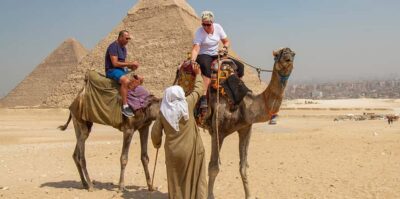
Your first afternoon is simple. A driver collects you from Cairo, Giza, or Cairo International Airport and takes you to your Giza hotel. The first full day begins at 8:00 a.m. with the Pyramids of Giza and the Great Sphinx, followed by a papyrus workshop and the Egyptian Museum in Cairo.
The pyramids are the obvious headline, but the timing matters. Two hours around the pyramid site and another 40 minutes at the Sphinx give you a useful introduction, though you may want to budget extra money for entrance tickets and any interior access. The papyrus stop is short and commercial in feel, but it does show how plant material was turned into writing sheets in ancient Egypt.
The Egyptian Museum provides a different kind of experience. Its collection includes around 100,000 ancient objects, covering roughly 7,000 years of Egyptian culture. Two hours will give you a broad look, not a slow examination of every gallery. I would treat the visit as an orientation to the objects and symbols you will see again farther south.
Your third day stays near Cairo but moves to older sites. The Step Pyramid of Djoser at Saqqara predates the completed pyramids at Giza by about 200 years. It is an important stop because it shows an early stage in the development of pyramid building.
You also visit Memphis, Egypt’s ancient capital, and an oriental carpet school. The school offers a look at handmade carpet production and training. As with the papyrus stop, this may include shopping pressure, so decide in advance if you want to browse or simply observe.
A few more bus tours around Egypt worth a look
- VIP Day Trip to Cairo by Bus with Top Tour operators
★ 5.0 · 739 reviews - Day trip to Cairo by bus from Sharm el Sheikh
★ 4.5 · 334 reviews - Sharm El Sheikh: Great Pyramids, Sphinx, Museum Tour by Bus
★ 3.7 · 287 reviews
Two days across Bahariya Oasis and the White Desert
Day four begins at 6:00 a.m. for the drive to Bahariya Oasis, about four hours from Cairo. The long day continues with a 4×4 excursion through the White and Black Desert areas, so you should expect a full schedule rather than a relaxed check-in day.
The first desert route includes date palms, a salty island, sand dunes, and a hot sulfur spring. You then climb toward the Mountain of the British, described as the highest point in the oasis, for sunset views. Bedouin tea and a barbecue dinner follow before you return to the hotel.
This is one of the most appealing parts of the trip because it changes the rhythm completely. After several archaeological sites, you get open desert, rough tracks, warm tea, and a meal outdoors. The desert setting is not just a photo stop. You spend enough time here to see how the oasis supports palms, water sources, and local life.
Day five is another long 4×4 day. You visit the Black Desert, try sandboarding, eat lunch in a Bedouin village, and continue to Crystal Mountain and Moon Cave. The day ends in the White Desert, where wind-shaped chalk formations create the most unusual scenery of the tour.
You then camp in the desert and have another barbecue dinner. The supplied plan does not specify the exact camping facilities, so ask what bedding, toilets, and lighting are provided before you leave Cairo. The same practical question applies to the 4-star desert hotel, listed as Peter Hotel or Apple Hotel depending on availability.
These two days are physically simple but logistically demanding. You are not hiking for hours, yet the early starts, sun, sand, and bouncing 4×4 rides can wear you down. Bring closed shoes, sun protection, and a warm layer for the desert after dark.
Minya, Akhenaten, and tomb paintings
After breakfast in the oasis, day six takes you about five hours by road to Minya, known as the Bride of Upper Egypt. The journey is mainly a transfer, so this is a good time to rest, read, or watch the countryside pass by.
Day seven brings two strong archaeological stops. Tell el-Amarna was the capital built by King Akhenaten, the ruler associated with the worship of the Aten and the reign of Nefertiti. The two-hour visit adds a different chapter to Egyptian history because the site reflects a major religious and political change.
Beni Hassan follows with tombs belonging to nobles. Their painted scenes show daily activities and retain striking colors. The visit lasts about 90 minutes, enough to see the main features without turning the morning into a long museum session.
Minya is an especially useful stop for anyone who wants more than the standard Cairo and Luxor route. It breaks up the long journey south and puts less famous sites into the trip. The trade-off is that the route has more road time than a compact itinerary centered on the Nile’s major cities.
Abydos, Dendera, and the move to Luxor
Day eight is one of the longest. After breakfast, you drive about four hours from Minya to Abydos. The schedule lists admission to Abydos as included at one point, but also says entrance fees are generally not included. Confirm the current fee arrangement before the tour begins.
Abydos Temple was dedicated to seven ancient Egyptian gods and was an important religious center. You have about an hour at the temple, followed by roughly three hours on the road to Dendera.
Dendera Temple Complex is dedicated to Hathor, the goddess associated with love and happiness. The visit lasts about 90 minutes, then you drive another hour and a half to Luxor. By the end of the day, you will have seen two important temples, but you will also have spent much of the day sitting in a vehicle.
That pattern is worth understanding. This is not a river cruise in which you unpack once and drift between sites. It is a land tour using road transfers, with the benefit of reaching places that many shorter programs leave out.
Same city, a different seat on the bus:
- Sharm El-Sheikh: Full-Day Tour of Cairo and Pyramids by Bus
★ 4.8 · 237 reviews - Ras Mohamed National Park Half Day Tour by Bus In Sharm El Sheikh
★ 4.5 · 60 reviews - Abu Simbel Excursion 1 Day Trip from Aswan (Sharing Bus & Egyptologist Guide)
★ 4.0 · 52 reviews - Pyramids Of Giza And Egyptian Museum Day Tour By Bus From Sharm
★ 4.5 · 50 reviews
Luxor’s royal tombs and giant temples
Day nine begins in Luxor with the Valley of the Kings. Two hours here lets you visit the royal burial area and see painted tomb interiors. Standard admission usually covers a limited number of tombs, while special tombs can cost more, so ask the guide which entrance tickets are included and which are optional.
Next comes the Temple of Hatshepsut at Deir el-Bahari. Hatshepsut ruled as king of Egypt and is one of the country’s most important female rulers. The temple’s terraces and setting against the cliffs make it a strong contrast to the enclosed tombs.
You then stop at the Colossi of Memnon for about 20 minutes. These huge seated figures are a quick roadside visit rather than a full tour. The day ends with a short stop at an alabaster workshop, where you can see stone vases and statues being made by hand.
Day ten is devoted to Karnak Temple and Luxor Temple. Karnak, dedicated primarily to Amun-Ra, is vast enough to justify two hours. Give yourself time to notice the columns, courts, and changing scale as you move through the complex.
Luxor Temple receives about an hour. Together, these temples make Luxor the architectural center of the trip. You get a better sense of how religious buildings worked as connected spaces, not just isolated monuments.
A three-night stay in Luxor is helpful here. The plan includes the Iberotel Luxor or a hotel of similar standard, breakfast, Wi-Fi, and lunches on sightseeing days. If a hot-air balloon ride interests you, it is an optional 45-minute activity rather than part of the $1,700 package.
Edfu, Kom Ombo, and Aswan
Day eleven is another road-heavy day. You drive about two hours to Edfu and visit the Temple of Horus, one of Egypt’s best-preserved temples. The building’s condition makes its reliefs and layout easier to read than those at many more weathered sites.
From Edfu, you continue about two hours to Kom Ombo. Its temple is unusual because it honors two gods, Horus and Sobek. The adjoining crocodile museum adds a small but memorable stop, with preserved crocodile mummies.
Another 90-minute drive brings you to Aswan. The route is long, but the sites are well chosen. Edfu shows a largely complete temple, while Kom Ombo gives you a rare shared temple design and a museum focused on animal mummies.
Day twelve is lighter. You visit Philae Temple, dedicated to Isis, with about 90 minutes at the site. The plan does not spell out the transfer details, so ask how the boat or other transport to Philae is handled and whether it is part of the entrance cost.
You also stop at a perfume bazaar associated with Aswan’s essential-oil trade. It is a short 30-minute visit and may include shopping. Two nights at the Obelisk Nile hotel give you a little breathing room before the return to Cairo.
Two optional excursions can be added from this part of Egypt. Abu Simbel takes about 10 hours, while a Nubian village visit takes about four hours. Neither is included, so adding one will make an already full journey even busier.
Sleeper train or flight back to Cairo
The final transfer gives you a choice. The standard plan includes one night on a sleeper train from Aswan to Giza. The listed rail journey takes about 13 hours, which is long, but it saves a separate hotel night and lets you travel while sleeping.
A flight from Aswan to Cairo takes about one hour and 15 minutes. It is an upgrade, and the information also mentions an extra night at a Giza hotel with the flight option. Confirm the total price, hotel arrangement, luggage rules, and airport transfers before choosing.
The train is the more distinctive option and may appeal to you if you want to experience a classic Egyptian rail journey. The flight is the sensible choice if you value time and a more predictable night. Either way, the final morning includes transport from your Giza hotel or railway station to Cairo, Giza, or the airport.
What the $1,700 price really covers
The price is strong for the amount of ground covered, but it is important to read the inclusions carefully. You receive:
- Three nights in Giza
- Two nights in the Sahara area
- Two nights in Minya
- Three nights in Luxor
- Two nights in Aswan
- One sleeper-train night
- Breakfast every day
- Nine lunches
- Three dinners
- Professional drivers and newer transport
- Bottled water during tours
- English-speaking guiding
- Hotel Wi-Fi
- Airport and hotel transfers
The largest extra cost is admission to the archaeological sites. Most stops list the entrance fee as not included, so the base price is not the final spend. Guide services in French, German, Spanish, Italian, and Dutch also cost extra, while English guiding is included.
Tips are not included either. The policy says tipping covers everyone except the tour guides. Carry small Egyptian-pound notes or ask the operator for current advice before you arrive.
The group can reach 20 people. That is not a private tour, but it is small enough to be more manageable than a large coach group. Dietary needs such as vegetarian, vegan, and gluten-free meals can be accommodated if you state them when booking.
Who should book this Egypt tour?
I would choose this tour if you want a single, organized route through much of Egypt and do not want to arrange each hotel, transfer, guide, and ticket yourself. It suits people who value coverage and structure more than free time.
Families may like the broad mix of temples, pyramids, desert vehicles, and train travel. The positive family feedback attached to this experience points to the appeal of combining history, culture, and entertainment in one trip. The desert days also give children something different from repeated temple visits.
Solo visitors can benefit from the organized transfers and on-site support. The tour operator emphasizes safety at each location, and the pickup system uses a sign with the company name at the airport or hotel.
You should think twice if you dislike early departures, long drives, shopping stops, or changing hotels. The schedule includes several days lasting 12 or 13 hours, and the tour duration counts travel time. You will see a lot, but you will not always have a slow afternoon to explore on your own.
The cancellation terms are straightforward: cancel at least 24 hours before the start for a full refund. Changes made within 24 hours are not accepted, and poor weather may lead to a new date or full refund.
Should you book it?
Book this tour if you want the big Egyptian picture: Cairo’s pyramids, desert camping, lesser-known Minya sites, Luxor’s tombs, the great southern temples, and Aswan in one organized package. The strongest value comes from the transport, hotels, meals, and unusually wide route.
Before paying, ask for a written estimate of all entrance fees, tips, the flight upgrade, optional excursions, and the exact hotel names. I would also confirm the sleeper-train cabin, desert camping equipment, and which guide language is available.
If you prefer an unhurried trip, choose a shorter itinerary centered on Cairo, Luxor, and Aswan. If you want variety and can handle long road days, this ambitious route gives you far more than the usual Egypt introduction.
FAQ
How long is the Egypt tour?
The tour lasts 14 days. It begins after midday on the first day and finishes around 8:00 a.m. on the final day at your selected Cairo, Giza, or airport location.
Where can pickup take place?
Pickup is available from your location in Cairo, Giza, or Cairo International Airport. The driver or guide waits with a sign showing the company name.
What type of hotels are included?
The package includes 4-star hotels in Giza, the Sahara area, Minya, Luxor, and Aswan. Listed properties may change based on availability, but the replacement should be the same standard.
Is breakfast included every day?
Yes. The package includes 13 breakfasts, along with breakfast at the listed hotels and restaurants.
How many lunches are included?
Nine lunches are included during tour days. Three dinners are also included, mainly during the Sahara portion.
Are entrance fees included?
Most entrance fees are not included. You pay government admission charges separately for many sites listed in the schedule.
Is the tour conducted in English?
English in-person guiding is included. French, German, Spanish, Italian, and Dutch guiding are listed as extra options.
Can I fly from Aswan to Cairo?
Yes. You can upgrade from the included sleeper train to a flight from Aswan to Cairo. The flight option may include an extra night at a Giza hotel, so confirm the upgrade details and price.
Are Abu Simbel and the Nubian village included?
No. Abu Simbel is an optional activity lasting about 10 hours, and the Nubian village visit is optional and lasts about four hours.
How large can the group be?
The tour can have a maximum of 20 people. It also includes professional drivers, newer transportation, and airport or hotel transfers.
Just added around Egypt
- Full Day Cairo Tour from Hurghada by Minibus★ 5.0 · 2 reviews
- Luxor Full Day Sightseeing Tour by Bus from Hurghada★ 5.0 · 18 reviews
- Tour to Abu Simbel by bus★ 4.5 · 3 reviews
- Day Tour to Abu Simbel from Aswan by Bus★ 4.5 · 25 reviews
- Private Tour: Abu Simbel by Minibus from Aswan★ 4.0 · 42 reviews
- Abu Simbel Temples Private Guided Tour from Aswan by coach★ 4.5 · 16 reviews
- Day Tour to Abu Simbel from Aswan by Bus★ 5.0 · 8 reviews
- Abu Simbel Excursion 1 Day Trip from Aswan (Sharing Bus & Egyptologist Guide)★ 4.0 · 52 reviews
Egypt Bus Tours, compared.
VIP Day Trip to Cairo by Bus with Top Tour operators
Read our review →
Sharm El Sheikh: Great Pyramids, Sphinx, Museum Tour by Bus
Read our review →
Sharm El-Sheikh: Full-Day Tour of Cairo and Pyramids by Bus
Read our review →
Ras Mohamed National Park Half Day Tour by Bus In Sharm El Sheikh
Read our review →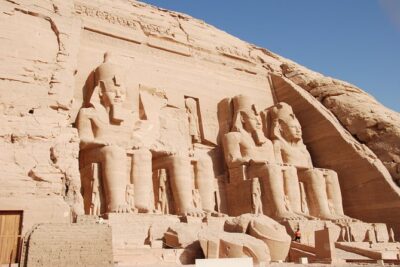
Abu Simbel Excursion 1 Day Trip from Aswan (Sharing Bus & Egyptologist Guide)
Read our review →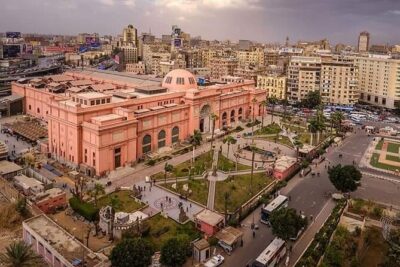
Pyramids Of Giza And Egyptian Museum Day Tour By Bus From Sharm
Read our review →
Browse the lists this tour appears in