
REVIEW · NEPAL
Pokhara: Full-Day Sharing Bus Tour on 7 Iconic Destination
Pokhara’s best value sightseeing ride packs caves, temples, waterfalls, and mountain views into one day for $12. You travel by shared bus from Lakeside, get time at each stop, and return near Fewa Lake. It is an efficient way to see places scattered across the city without hiring a taxi or arranging several separate rides.
I like the variety: one stop takes you underground among stalactites, another gives you the open view from World Peace Stupa, and another brings you into the calm of Bindabasini Temple. I also like the social side. The bus brings together local, Indian, and international visitors, which can make a solo day feel much less solitary.
The main catch is simple: this is not a traditional guided tour. You are dropped at each attraction, given a set amount of time, and expected to explore on your own. Bring some background reading, keep an eye on the meeting time, and expect a basic local-style bus rather than a polished coach.
Key points to know before booking
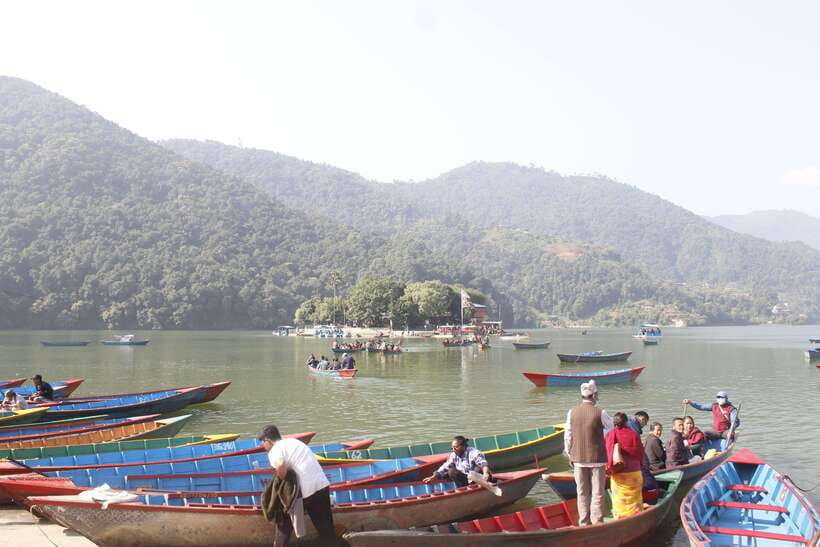
- Seven destinations on the title, often around nine stops in practice: The route can include Pumdikot, World Peace Stupa, Devi’s Fall, Gupteswor Cave, Mahendra Cave, Bat Cave, Seti River, and Bindabasini Temple.
- Self-guided sightseeing: The coordinator and driver manage the route, but there is no detailed explanation at every monument.
- Strong value at $12: Transport and Lakeside pickup are included, while entry fees of about $4 and food are extra.
- A full day in a six-hour package: The stated duration is six hours, but some departures take closer to eight hours depending on traffic and the day’s pace.
- Best for independent visitors: You need comfortable walking shoes, water, sunscreen, and enough confidence to explore each stop without a guide beside you.
- Not suited to everyone: Tight cave passages can be uncomfortable for people with claustrophobia, and the bus and walking make it unsuitable for wheelchair users.
Why this bus tour works for a first day in Pokhara
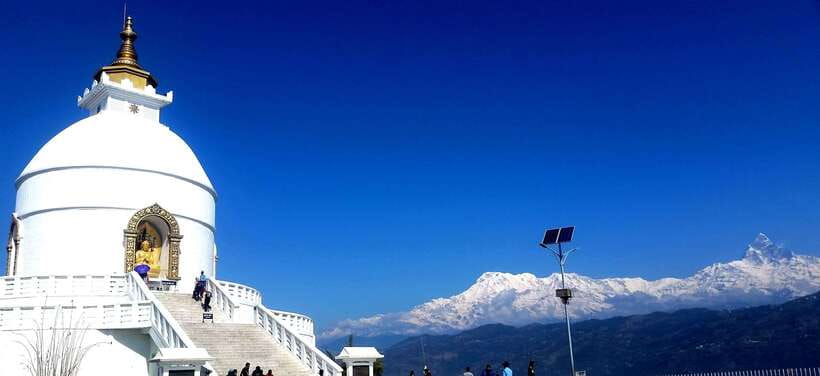
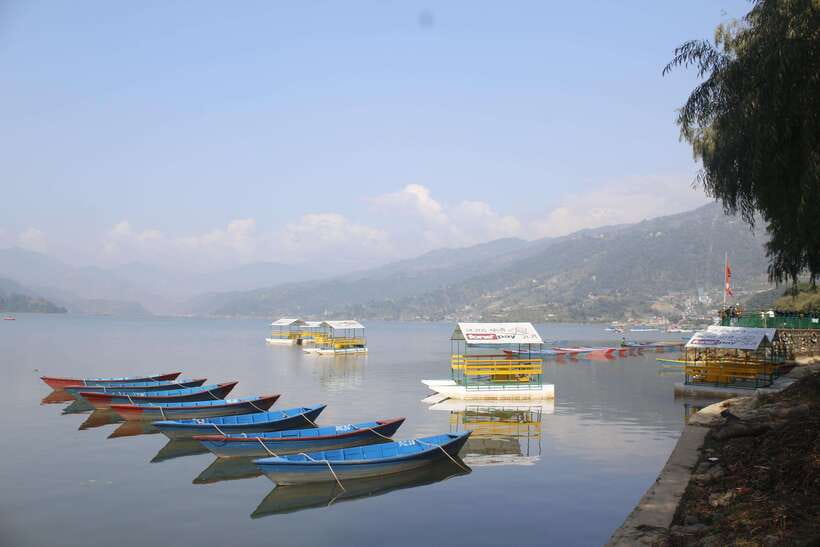
Pokhara is easy to enjoy slowly around Fewa Lake, but its main sights are spread across a wide area. Pumdikot lies above the city, the World Peace Stupa sits across the lake, the waterfalls and caves are elsewhere, and Bindabasini Temple is north of the central tourist zone.
That geography makes this shared bus useful. You cover a lot of ground without negotiating taxi prices or trying to fit several rides into one afternoon. At $12 per person, the transport alone is a good part of the value. The day also gives you a quick map of Pokhara, helping you decide which places deserve a longer return visit.
You should set your expectations correctly. The activity is described as a full-day outing, but the listed duration is six hours. Actual timing can stretch to around eight hours because of road conditions, pickup arrangements, and the number of stops. Think of it as a packed sightseeing day, not a strict six-hour city transfer.
The bus is functional rather than luxurious. Some departures use a non-air-conditioned local tourist bus, while air-conditioned transport has been arranged on particularly hot days. The vehicle type can vary, so book this for the route and price, not for a premium ride.
More Full-Day Tours in Nepal:
- Kathmandu : City Highlights Bus Tour Full Day
★ 5.0 · 2 reviews - Water Taxi All Day hop-on hop-off Venice of America Boat Tour
★ 4.5 · 3,932 reviews - Thessaloniki: Full-Day Bus Trip to Meteora
★ 4.8 · 3,471 reviews
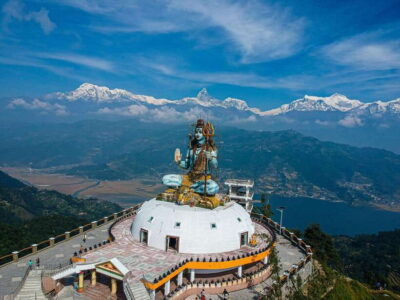
Pumdikot Shiva Idol and the first mountain views
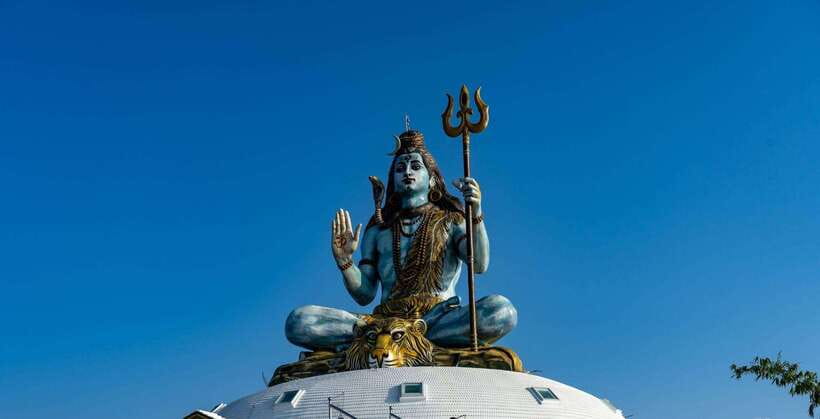
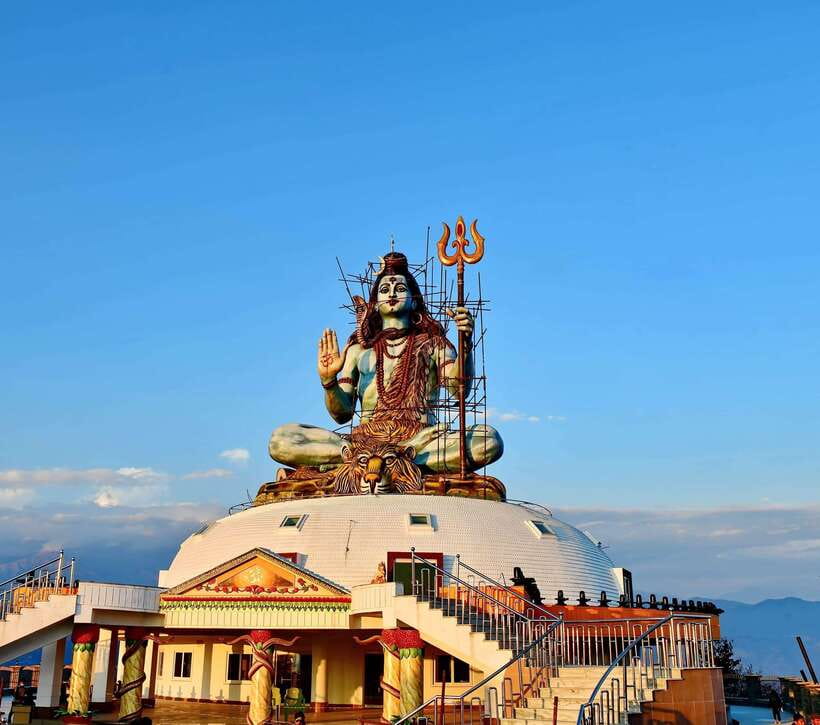
The day begins with hotel pickup in the Lakeside area. You are collected with a name card, then driven toward Pumdikot, where a large Shiva statue provides one of the most memorable opening views.
The stop combines religious interest with a broad view across Pokhara. On a clear day, the Annapurna range can appear beyond the city, and the journey itself gives you a better sense of Pokhara’s hills and valley floor. The view is one reason this stop is worth keeping near the beginning of the route.
Allow for steps and some walking around the site. This is not simply a quick photo stop, so wear shoes with a good grip. The high point of Pumdikot can also be exposed to sun, making sunscreen and water useful.
The title of the activity refers to seven iconic destinations, but the actual route can cover more. Pumdikot is one of the additions that helps turn the day into a broad tour of Pokhara rather than a narrow cave-and-waterfall trip.
World Peace Stupa above Fewa Lake
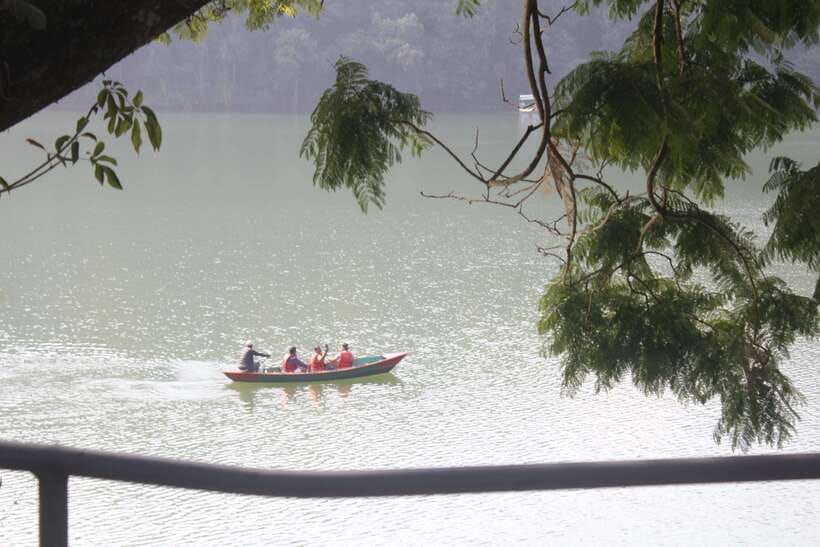
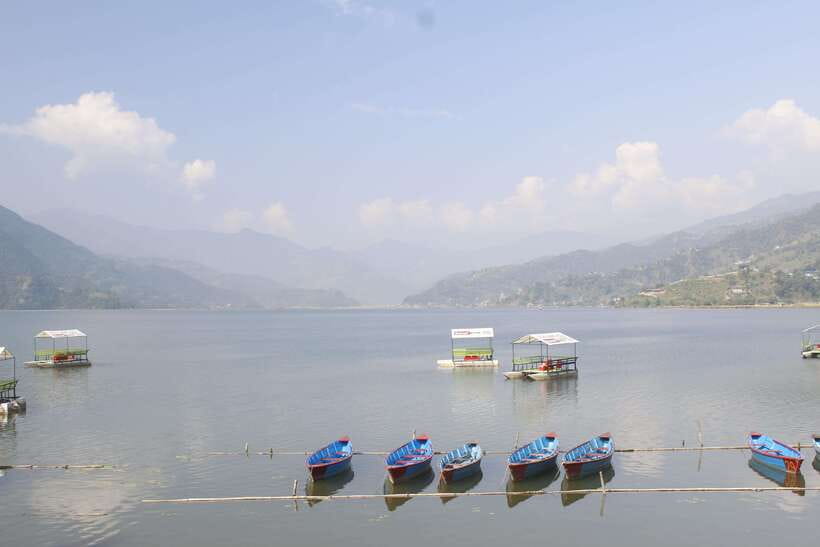
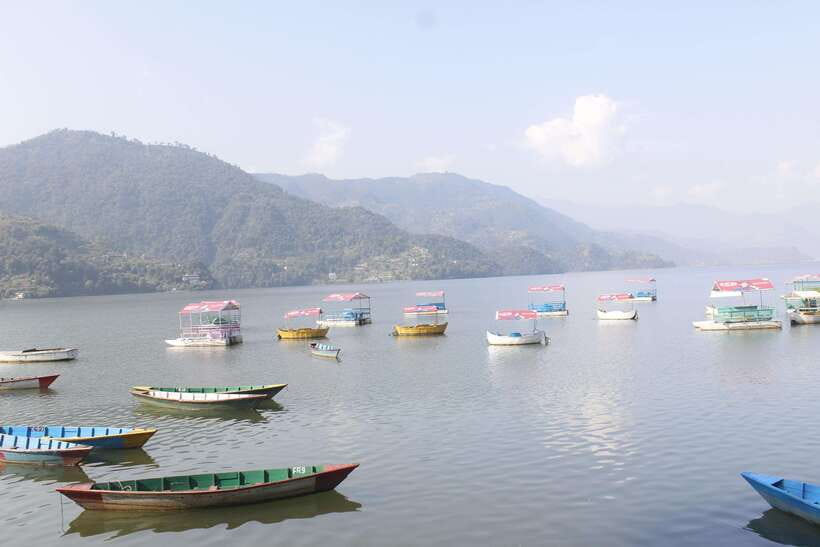
From Pumdikot, the bus continues to the World Peace Stupa, also called the World Peace Pagoda. Its position above Fewa Lake gives you a different view from Pumdikot, with the water, city, and surrounding hills laid out below.
This is one of the quieter stops. The white stupa and open setting offer a welcome change after the bus ride and the first viewpoint. You can take in the setting, walk around the monument, and enjoy the stillness of the site before returning to the bus.
The attraction works best when the weather is clear. Clouds or rain can hide the mountains, though the stupa remains worth visiting for its setting. Keep your time in mind, since the tour runs on a shared schedule and the bus cannot wait indefinitely for long personal exploration.
Entry fees are not included in the $12 price. The total monument fees are listed at about $4, though the exact amount can vary by attraction. Carry some Nepalese rupees or small notes so you are not caught short at the entrance desks.
Devi’s Fall and the water beneath the city
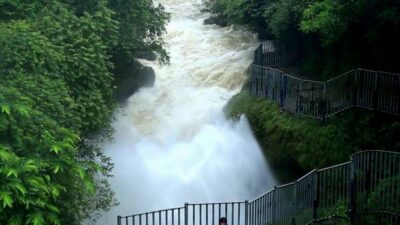
Devi’s Fall is one of Pokhara’s signature natural sights. Water drops through a channel and disappears underground, making this more than an ordinary roadside waterfall. Its power changes with the season and recent rain.
This stop can be brief, and the condition of the falls may vary. A departure in rainy weather can produce a stronger flow, but wet paths and poor visibility can also affect the experience. One departure found the first waterfalls closed, so you should treat access as weather-dependent rather than guaranteed.
The area can be busy, and the attraction itself is not a long walk. You will get the most from it by looking closely at how the water vanishes into the rock instead of expecting a huge open cascade. It is a quick, unusual natural stop that fits well into a day covering many sights.
A few more bus tours around Nepal worth a look
- Pokhara: City Sightseeing Group Bus Tour
★ 4.1 · 37 reviews - Kathmandu City Sightseeing Bus tour (5 Sights)
★ 4.2 · 15 reviews - Pokhara: Visit Best Seven Tourist Destination by Sharing Bus
★ 3.4 · 10 reviews - Pokhara: Sightseeing tour (Unguided) in Sharing Bus
★ 4.5 · 10 reviews
Gupteswor Cave and its sacred underground setting
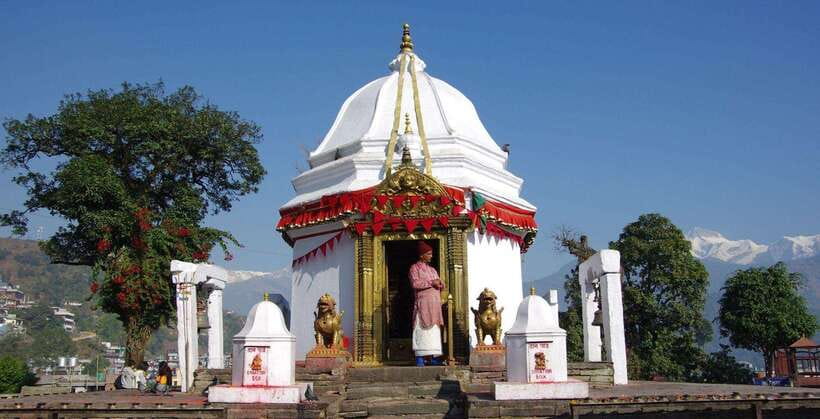
Across from Devi’s Fall is Gupteswor Cave, often referred to as Mahadev Cave because of its connection with Shiva. The cave has religious importance as well as natural features, so the experience is part temple visit and part underground walk.
You move through a darker, tighter space and may see rock formations shaped by water over time. The cave ends near the area of the waterfall, linking the two stops in a way that makes geological sense. For many people, the combination is more interesting than visiting either attraction alone.
This is where the physical limitations matter. The cave is not suitable for people with claustrophobia, and the activity is not suitable for wheelchair users. Watch your footing, stay aware of the ceiling and walls, and do not rush simply because the group has a schedule.
You should also expect the meaning of the site to matter as much as the rock. Remove your shoes where requested and dress respectfully around religious areas. The tour does not promise a detailed lecture inside the cave, so reading a little about its Shiva connection before you go will make the visit more rewarding.
Mahendra Cave and Bat Cave underground
The route then heads north to the cave area, where Mahendra Cave provides another look at Pokhara’s limestone formations. Inside, you can see stalactites and stalagmites in a dark underground setting.
Mahendra Cave feels different from Gupteswor Cave. Gupteswor has a stronger sacred character and a closer link to Devi’s Fall, while Mahendra Cave is more focused on the rock formations and the feeling of entering a natural chamber. Visiting both lets you compare the sites rather than treating them as duplicate attractions.
Bat Cave, also called Chamere Cave, adds a wildlife angle. The cave is associated with bats, and the stop introduces you to the creatures that use such spaces. Do not assume you will see a large colony. Conditions vary, and one departure found no bats at all. The cave is still part of the underground theme, but it may not deliver a dramatic animal encounter.
Both caves require walking and some comfort with darkness and confined areas. I would not recommend this day to anyone who dislikes tight spaces, even if the rest of the itinerary sounds appealing. You are better off choosing an open-air city tour or private vehicle itinerary instead.
The Seti River through Pokhara
After the caves, the tour shifts back outdoors at the Seti River. The Seti cuts through Pokhara in a narrow channel, and its pale water and steep banks reveal how much force the river has carried through the city.
This stop is less about a grand viewpoint and more about seeing a natural feature inside an urban setting. You get a break from entrance queues and dark caves, and you can watch the river move through its confined course.
The river visit is also a useful reminder that Pokhara is not only a base for mountain trips. Its identity comes from the meeting of water, hills, temples, and city streets. The stop may be short, but it adds balance to the day.
Bindabasini Temple and the quieter final stop
Bindabasini Temple brings the tour back to a living place of worship. The intricate design and calm setting make it a good late-day stop, especially after the noise and movement of the bus route.
You can walk through the temple area, take in its religious atmosphere, and pause before the final drive. As with the caves, respectful behavior matters. Dress modestly, follow local instructions, and ask before taking photographs where worship is taking place.
This stop can feel more personal than the major viewpoints because it is not only a sightseeing attraction. It remains an active holy place. You do not need a long explanation to appreciate its calm, but a little advance reading will help you understand what you are seeing.
At the end of the route, the bus returns to the Fewa Lake area. You can get off near the lake and explore Lakeside on your own, or continue on the same bus toward your hotel area. That final drop-off is useful if you want dinner, a lake walk, or a relaxed evening rather than another transfer.
What the self-guided format means
The word guide can be misleading here. The company arranges pickup, transport, the route, and the timing, but you should not expect a guide to walk through every site with you and explain each monument in detail.
That arrangement suits me when I want structure without being tied to a leader. You have a bus, a planned sequence, and a social group, but you can decide what to look at once you arrive. The trade-off is that you must watch the clock and learn the basic facts yourself.
A few people found the driver especially important to the day. Skilled driving matters in Pokhara, where traffic and hill roads can slow progress. The coordinator may also contact you through WhatsApp before pickup, which is useful because start times can depend on hotel location and the day’s arrangements.
The social side is another plus. Solo visitors can easily meet people on the bus, and the mix of local and international passengers gives the outing a more ordinary, less packaged feel. Tea has also been offered on some departures, though you should not treat that as a guaranteed inclusion.
Price, extra costs, and comfort
At $12, this is one of the more economical ways to see Pokhara’s main sights in one day. The price includes pickup and drop-off within Lakeside and shared sightseeing transport. It does not include monument entry fees, which are listed at approximately $4, or food and drinks.
Bring water and some money for lunch. Food is not included, though a restaurant stop may be part of the day’s arrangements. The exact timing can change, so I would carry a snack even if you plan to buy lunch.
Comfort depends on the bus and the weather. Some buses are not air-conditioned, and hot conditions can make the middle of the day tiring. The company has upgraded transport to air conditioning on some hot departures, but this is not something to count on when comparing the tour with a private car.
Wear comfortable shoes. You will walk around viewpoints, temple grounds, waterfall areas, and cave entrances, and the cave surfaces may be uneven. A camera, sunscreen, and a full water bottle belong in your day bag.
Who should book this Pokhara day tour?
You should book it if you have limited time, no scooter or private car, and want to see many of Pokhara’s headline sights at a low cost. It is particularly useful on your first visit, when you want a broad introduction before choosing where to spend more time.
Solo visitors can also benefit from the shared format. The bus gives you company without the price of a private tour, and the self-guided stops allow you to set your own pace within the group timetable.
Families can manage the day, but the caves, heat, waiting, and long route may test young children. One family completed the outing with children aged three and seven, though your own decision should depend on how well your children handle walking and confined spaces.
Skip it if you want a slow schedule, a private vehicle, detailed commentary at every site, or guaranteed air conditioning. You should also choose another activity if you have serious back problems, use a wheelchair, or feel uneasy in enclosed caves.
FAQ
How much does the Pokhara shared bus tour cost?
The listed price is $12 per person. Monument entry fees, estimated at about $4, are not included, and neither are food or drinks.
How long does the tour take?
The stated duration is six hours. Depending on traffic, pickup arrangements, and the day’s route, the outing can take closer to eight hours.
What attractions are included?
The route can include Pumdikot Shiva Idol, World Peace Stupa, Devi’s Fall, Gupteswor Cave, Mahendra Cave, Bat Cave, Seti River, and Bindabasini Temple. The activity title refers to seven destinations, but the actual route can cover around nine places.
Is this a guided tour?
It is a shared sightseeing bus with a coordinator and driver, but the stops are mainly self-guided. You are given time at each attraction and must return to the bus at the agreed time.
Is hotel pickup included?
Pickup and drop-off are included for hotels within the Lakeside area of Pokhara. Pickup is arranged with your name card.
What should I bring?
Bring comfortable shoes, water, sunscreen, and a camera. You should also carry money for entry fees and food. Smoking, alcohol, and drugs are not allowed.
Should you book it?
Book this tour if your priority is coverage and price. For $12, you can reach the main viewpoints, waterfalls, caves, river, and temple without arranging several separate rides. The route is busy, but it gives you a useful first look at Pokhara.
Do not book it expecting a polished coach, a personal guide, or a leisurely pace. The best way to enjoy it is to read about the sites beforehand, keep your watch handy, and accept that the bus is part of the local experience. If that sounds right for you, this is a practical and unusually affordable way to spend a day around Pokhara.
Just added around Nepal
- Pokhara: City Sightseeing Group Budget Bus Tour★ 4.7 · 6 reviews
- Pokhara Sightseeing By Bus: Day Trip★ 4.6 · 7 reviews
- Pokhara Sightseeing By Bus – Day Trip★ 3.2 · 8 reviews
- Kathmandu City Sightseeing Bus tour (5 Sights)★ 4.2 · 15 reviews
- Kathmandu : City Highlights Bus Tour Full Day★ 5.0 · 2 reviews
- Pokhara Day Bus Sightseeing 8 points★ 3.5 · 9 reviews
- Pokhara: Sightseeing tour (Unguided) in Sharing Bus★ 4.5 · 10 reviews
- Pokhara: City Sightseeing Group Bus Tour★ 4.1 · 37 reviews
Nepal Bus Tours, compared.
Visit Best Seven Tourist Destination by Sharing Bus
Read our review →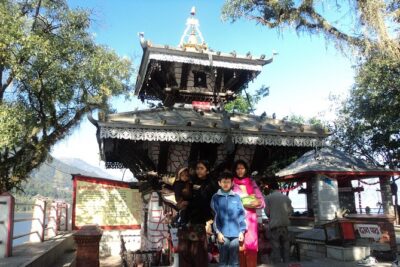
“Explore Kathmandu Rich Heritage: City Highlights Bus Tour”
Read our review →
Browse the lists this tour appears in