
REVIEW · LISBON
Lisbon: National Coach Museum Entry Ticket
The National Coach Museum gives you a rare look at royal power on wheels. Its grand carriages were not just vehicles: they were public displays of wealth, rank, ceremony, and political messaging. Inside the Belém museum, you’ll see ornate coaches from the 16th through 19th centuries, including ceremonial vehicles linked to Portuguese kings.
I like the range of designs, from Baroque and Rococo decoration to cleaner Neoclassical lines. I also like the small details, especially the children’s carriages and the clever construction methods that helped these vehicles carry royalty in comfort. The main drawback is practical: a $17 ticket is poor value if you qualify for free Sunday and holiday entry, and a booking problem or unexpected closure can spoil the visit.
Key points before you go
- See one of the world’s largest royal coach collections, with vehicles linked to Portuguese monarchs and European court life.
- Compare four centuries of design, from heavily decorated Baroque coaches to more restrained Neoclassical examples.
- Look beyond the grand coaches for sedan chairs, cabriolets, stagecoaches, and small royal children’s carriages.
- Plan your own visit, since admission includes entry only, not transportation or a guided tour.
- Check the date carefully, because the museum is free on Sundays and holidays until 6 PM for Portuguese citizens and foreign residents in Portugal.
- Arrive early enough for entry, with the last admission at 5:30 PM.
Why the National Coach Museum is worth your time
Lisbon has no shortage of grand monuments, but the National Coach Museum offers a different kind of royal spectacle. Instead of rooms where monarchs lived, you see the objects that carried them through streets, ceremonies, weddings, coronations, and public appearances.
That difference matters. A palace can show you where power was exercised in private. A ceremonial coach shows how power was presented in public. A carriage covered in gilding, carved figures, painted panels, and polished metal was designed to be seen by a crowd.
I especially like that the collection lets you trace changing taste across several centuries. The early and Baroque vehicles can feel almost theatrical, with elaborate decoration and strong visual impact. Later Neoclassical designs tend to look more controlled and balanced. You are not simply looking at old transport. You are watching European art and court fashion change in three dimensions.
The museum is in Belém, an area already packed with major sights. That makes it easy to combine with another part of your Lisbon day, though you should not treat the coach museum as a five-minute stop. The collection deserves time to inspect the details.
More Museum Visits in Lisbon:
- Lisbon: Belem, Jeronimos Monastery, and Coach Museum Tour
★ 4.8 · 478 reviews - Lisbon: National Coach Museum Entry Ticket and Audio Guide
★ 4.5 · 49 reviews - Dublin Hop-On Hop-Off Bus Tour with Guide and Little Museum Entry
★ 4.5 · 3,327 reviews
Entering the royal coach collection
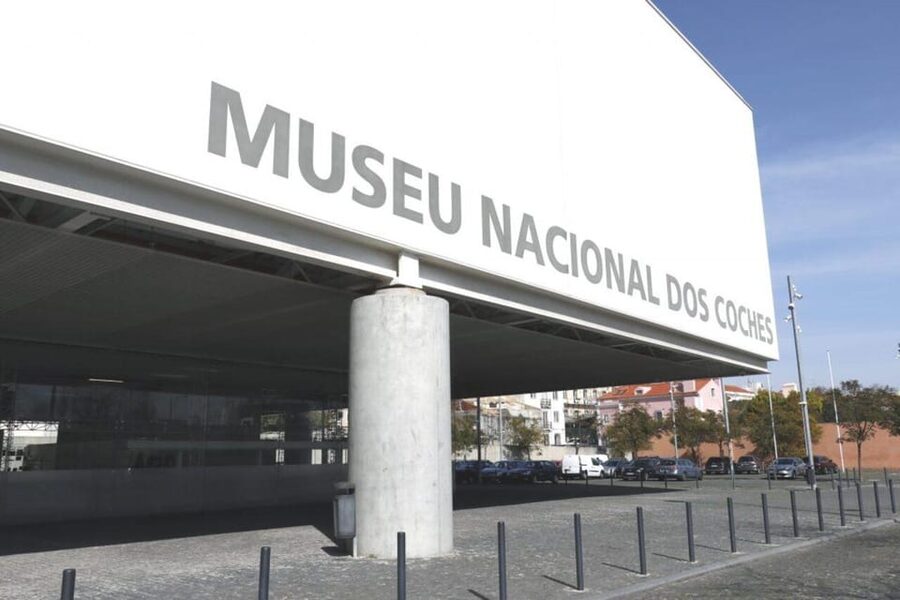
Your visit begins at the National Coach Museum entrance. This is a self-guided admission ticket, so you can move through the galleries at your own speed rather than follow a fixed group schedule.
The central attraction is the display of royal coaches and carriages. Many are large, formal vehicles made for ceremony rather than quick everyday travel. Their size, decoration, and careful presentation help you understand how much effort went into a royal appearance.
Look closely at the surfaces. Carved wood, painted panels, gilded details, upholstery, wheels, and metal fittings all tell part of the story. From a distance, a coach may look like one lavish object. Up close, it becomes a collection of separate craft skills brought together for one purpose.
The 18th-century ceremonial coaches connected with King João V are among the important highlights. These vehicles show the scale of royal display during a period when court ceremonies were meant to communicate wealth and authority. You can also see ornate carriages associated with the coronation of King Charles II of Portugal, adding a direct link between the vehicles and royal occasions.
The museum’s explanations help place the coaches in context. This is useful because the decoration can otherwise become a blur of gold, paint, and carved ornament. Read the descriptions that explain who used each carriage, what kind of occasion it served, and how its design reflected the period.
Four centuries of changing style
The collection works best when you compare vehicles rather than inspect each one in isolation. Start by looking at the overall shape, then notice the decoration, seating, windows, doors, and wheels.
Baroque coaches tend to communicate ceremony through heavy ornament and theatrical forms. Rococo examples bring a lighter, more playful quality to the decoration. Neoclassical designs favor cleaner shapes and a more measured appearance. These shifts reflect broader changes in European art and taste.
You may also notice that the coaches were built for different jobs. A vehicle used in a formal procession needed to make an impression. A carriage intended for regular travel required a different balance of comfort, access, and practicality. The museum’s display helps you separate these purposes.
I find this especially useful for families and visitors who are not normally interested in transport museums. The coaches provide an easy way into larger subjects: monarchy, social rank, craftsmanship, engineering, and public ceremony. Children can focus on the size and decoration, while adults can consider what these vehicles were saying about the people inside them.
Do not rush past the less imposing examples. The smaller carriages used by royal children are among the most affecting objects in the collection. They bring royal life down to a human scale and show that even children’s transport could be carefully designed and built.
Beyond coaches: chairs, cabriolets, and stagecoaches
The collection is not limited to grand state coaches. You will also encounter sedan chairs, cabriolets, and stagecoaches.
Sedan chairs are especially helpful for understanding how people moved through cities before modern transport. They also remind you that different social groups experienced travel in very different ways. A royal coach, a hired stagecoach, and a sedan chair each served a separate purpose and carried different social meaning.
Cabriolets offer another contrast. Their lighter form suggests a more practical or personal kind of movement than a large ceremonial coach. Stagecoaches connect the royal collection with wider public transport and longer-distance travel.
These smaller and more ordinary vehicles keep the museum from becoming only a parade of royal luxury. They show the wider development of horse-drawn transport and help you see where the grand coaches fit within European travel.
The museum also gives attention to construction and conservation. That is important because the vehicles have survived despite their size, delicate decoration, and long exposure to use. Notice the engineering choices that made the coaches workable, not just beautiful. The combination of painted wood, metal, upholstery, wheels, suspension, and interior fittings reveals how much technical skill was required.
A few more bus tours around Lisbon worth a look
- Lisbon: 72/96-Hour Hop-On Hop-Off Bus, Tram & Boat Ticket
★ 4.4 · 2,170 reviews - Lisbon: Boat Tour Ticket and Hop-on Hop-off 48-Hour Bus.
★ 4.1 · 1,252 reviews - From/To Lisbon: Sintra Hop-on Hop-off Tickets + Audio Guide
★ 3.7 · 119 reviews - Hop on Hop Off Bus with Oceanario Ticket
★ 4.4 · 33 reviews
The public image of monarchy
One of the most interesting ideas here is that these carriages had a political purpose. They transported people, but they also shaped public opinion.
When a monarch appeared in a richly decorated coach, the vehicle announced status before the passenger even spoke. Size, color, decoration, and ceremony all helped create an image of authority. A procession turned the coach into a moving stage.
This is why the collection is more than a display of expensive objects. It shows how rulers used art and design in public life. A coach could communicate stability, wealth, tradition, and connection to the royal past.
The vehicles linked to ceremonies are particularly useful for this. Think of them as part of a carefully planned performance. The coach, horses, attendants, clothing, route, and watching crowd all worked together. Even if you know little about Portuguese monarchy, the vehicles make that public theater easy to understand.
The collection also reveals the tension between appearance and function. A coach could be technically impressive and comfortable enough for royal use, yet still be designed mainly to impress an audience. That contrast gives the museum some bite. It is beautiful, but it also shows how luxury and power were displayed.
A self-guided visit in Belém
You should plan on using the ticket for a flexible museum visit rather than expecting a guided experience. The admission includes entry only. Transportation to Belém, a personal guide, and any other sightseeing are not included.
English and Portuguese support is available from the host or greeter, and the museum provides descriptions and interactive displays for background information. You can pause where you like, spend extra time with the ceremonial vehicles, or move faster through objects that interest you less.
That freedom is a plus if you like setting your own pace. It is less helpful if you want a detailed explanation of every coach from a specialist guide. If the story behind each object matters most to you, plan to read the museum information carefully.
Arrive 15 minutes early for check-in. The last entry is at 5:30 PM, so do not leave this visit until the end of a packed day. The ticket is valid for one day, not for repeated entry over several days, so plan to see the collection in one visit.
The museum is wheelchair accessible. Pets are not allowed, although assistance dogs are permitted. These details make the visit easier to plan for many people, but you should still allow enough time to move comfortably through the displays.
How the $17 ticket measures up
At $17 per person, this ticket can be reasonable if you want a simple way to secure museum admission and plan to spend time with the collection. The value is strongest for visitors who appreciate decorative arts, royal history, design, or unusual museums that you will not find in every European capital.
It is weaker if you only want a quick look at a few famous coaches. The collection has enough detail to reward a careful visit, but its value depends on your willingness to look closely and read the background material.
There is one major price warning. Entry is free on Sundays and holidays until 6 PM for all Portuguese citizens and foreign residents in Portugal. If that applies to you, check the free-entry rules before buying. Paying for a ticket you could have received at no cost makes little sense.
You should also confirm the museum’s opening status before setting out. One serious problem has been reported with a ticket sold for a day when the museum was closed. That kind of issue is especially frustrating because the activity is non-refundable. Check the date, opening information, and ticket access before leaving your hotel.
There was also a report of a very slow ticket application that prevented the buyer from opening or downloading the tickets. I would not wait until the entrance to discover that your phone cannot display them. Save the ticket in advance if possible and give yourself time to solve any access problem.
Who should book this museum visit?
I recommend the National Coach Museum for visitors who want a break from Lisbon’s churches, tiled facades, and lookout points. It offers a focused indoor experience with plenty of visual detail and a clear connection to European art and court culture.
It is a particularly good choice for:
- People interested in royal ceremonies and political symbolism
- Families who enjoy large, unusual objects with a strong visual impact
- Visitors curious about historic engineering and vehicle design
- Art and decorative arts enthusiasts
- Anyone already planning time in Belém
- Visitors who prefer self-guided museums
You may want to skip it if you have little interest in transport, royal life, or decorative objects. The museum’s appeal comes from looking closely. If you want only a quick photo stop, the admission price may not feel worthwhile.
The visit is also less suitable for anyone expecting a live tour. No guided tour is included, and no transportation is arranged. You are buying entry and exploring independently.
Practical timing and planning advice
Because the ticket lasts for one day, choose a time when you can give the museum your full attention. The exact starting times depend on availability, so check before booking.
Give yourself enough time to compare the carriages rather than walking past them in a single line. Begin with the largest ceremonial coaches, then return to the smaller vehicles and transport types. That order helps you understand the difference between public display, private travel, and practical transport.
Belém is a useful setting for this visit because you can continue exploring the district afterward. The museum puts you in a good position to spend more time with Lisbon’s cultural sights, but transportation to and from the museum is your responsibility.
If you are visiting on a Sunday or holiday, the free-entry rule deserves special attention. Portuguese citizens and foreign residents in Portugal can enter free until 6 PM, so a paid booking may be unnecessary. If you are not covered by that rule, the ticket gives you a straightforward one-day admission option.
Should you book the National Coach Museum ticket?
Book it if you want a close look at royal coaches, historic craftsmanship, and the public image of monarchy. The ceremonial vehicles are the main attraction, but the smaller children’s carriages, sedan chairs, cabriolets, and stagecoaches give the collection more range than the headline suggests.
I would book only after checking the museum date and confirming that you are not eligible for free entry. I would also prepare the ticket before arrival and avoid relying on a slow phone application at the door.
For the right visitor, this is a memorable and unusual Lisbon museum. For someone rushing through Belém or uninterested in royal decoration, it may be an expensive hour. Know what you are paying to see, and the decision becomes easy.
FAQ
Where is the National Coach Museum located?
The museum is located in Lisbon’s Belém district, in the Lisbon District of Portugal.
What does the admission ticket include?
The ticket includes admission to the National Coach Museum for one day.
Is transportation to the museum included?
No. Transportation to and from the museum is not included.
Is a guided tour included?
No. The ticket does not include a guided tour. You can explore the museum independently with descriptions and interactive displays.
What languages are available?
The host or greeter support is available in English and Portuguese.
What time is the last entry?
The last entry is at 5:30 PM.
Is the museum wheelchair accessible?
Yes. The activity is wheelchair accessible. Pets are not allowed, but assistance dogs are permitted.
Just added around Lisbon
- Lisbon: Tuk Tuk Hop-On Hop-Off Tour★ 5.0 · 3 reviews
- Lisbon: Belem, Jeronimos Monastery, and Coach Museum Tour★ 4.8 · 478 reviews
- Lisbon: National Coach Museum Entry Ticket and Audio Guide★ 4.5 · 49 reviews
- Lisbon: Sightseeing Boat Tour with Hop-On Hop-Off Option★ 3.3 · 58 reviews
- Hop on Hop Off Bus with Oceanario Ticket★ 4.4 · 33 reviews
- From/To Lisbon: Sintra Hop-on Hop-off Tickets + Audio Guide★ 3.7 · 119 reviews
- Lisbon: City Sightseeing Hop-On Hop-Off Bus Tour★ 3.8 · 1,220 reviews
- Lisbon: Boat Tour Ticket and Hop-on Hop-off 48-Hour Bus.★ 4.1 · 1,252 reviews
Lisbon Bus Tours, compared.


72/96-Hour Hop-On Hop-Off Bus, Tram & Boat Ticket
Read our review →

MiniBus Sintra, Pena, Regaleira, Cap Roca Tour
Read our review →
Boat Tour Ticket and Hop-on Hop-off 48-Hour Bus.
Read our review →

Belem, Jeronimos Monastery, and Coach Museum Tour
Read our review →Browse the lists this tour appears in