
REVIEW · HANOI
2 Day Sapa-Bac Ha Market: Night Train& Homestay-Bus Ha Giang
The best part of this Sapa trip is the walk from Cat Cat through Lao Chai to Ta Van, where rice terraces, mountain paths, village homes, and the Muong Hoa valley replace the usual quick town visit. I like the overnight train option because it saves a hotel night, and I like the Ta Van homestay because it gives you a meal and a roof in a Zay village rather than another standard hotel.
There is one important catch: the advertised plan mixes several routes. The main two-day schedule returns you to Hanoi, while the Ha Giang bus and Bac Ha Market are add-ons with extra time and cost. Confirm your exact transport before paying, especially if you want to visit Bac Ha or go straight from Sapa to Ha Giang.
Key points to know before booking
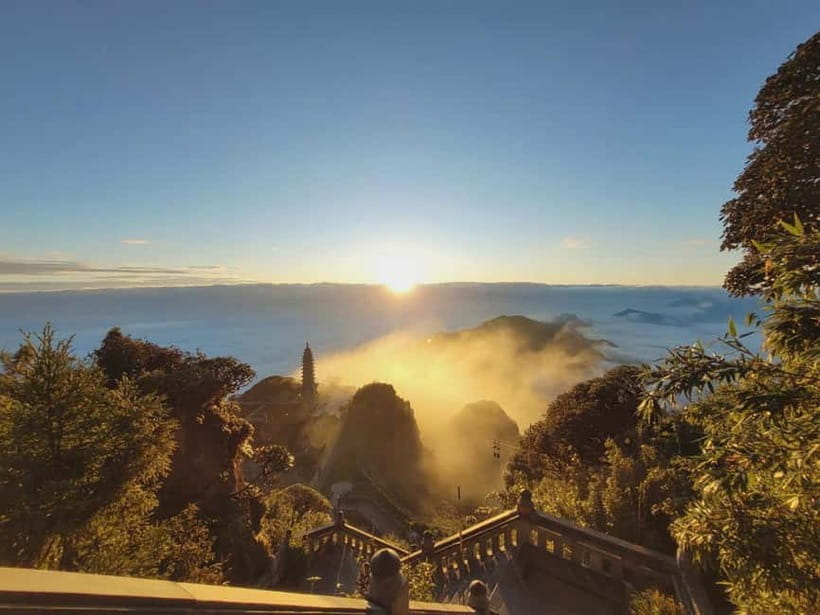
- The main walk links three memorable villages: Cat Cat, Lao Chai, and Ta Van, with a second trek toward Giang Ta Chai.
- Your overnight is in Ta Van: Expect a shared room or single mattress and a public bathroom, not private hotel comfort.
- The guides can make the trip: Guides Tung and Soa received especially warm praise for their humor, local knowledge, and willingness to explain village culture.
- Bac Ha is an optional extension: It requires a Sunday visit, a private car and guide, an additional hotel night, and a separate return arrangement.
- Ha Giang is another route choice: The Sapa to Ha Giang bus takes about six hours and costs 300,000 Vietnamese dong per person extra.
- The $56 base price offers strong value: It covers the main transport, guiding, meals, homestay, and listed entrance fees, but not drinks, insurance, holiday surcharges, or optional transport.
Why this Sapa trip works better than a quick town visit
Sapa town is easy to reach, but the town itself is only the front door. The real reason to come is the network of villages below Fansipan, where the road gives way to footpaths through rice terraces and the Muong Hoa valley.
This trip gives you two useful kinds of time. The first is a long walking day from Cat Cat to Lao Chai and Ta Van. The second is a shorter trek from Ta Van toward Giang Ta Chai. That balance lets you see several communities without spending every hour on a steep trail.
I especially like the cultural range. Cat Cat and Lao Chai are associated with Black H’Mong communities, Ta Van is home to Zay people, and Giang Ta Chai brings Red Dao, Zay, and Black H’Mong culture into the route. You are not simply looking at mountain scenery. You are moving through places where people farm, cook, work, and raise children.
The small-group limit of 15 matters here. Narrow paths and village lanes are easier to manage with a modest group than with a large coach party. It also gives you a better chance to ask your guide about customs, homes, farming, and daily life.
The trade-off is physical. This is not a gentle sightseeing circuit. You need comfortable shoes, sun protection, insect repellent, and enough fitness for a long village walk. The route can feel demanding, particularly if you are not used to uneven paths. Children under six, pregnant women, and people with mobility limitations should not take part.
More Train Trips in Hanoi:
- Hanoi City Tour: Bat Trang, Train Street, Lunch & Luxury Bus
★ 4.9 · 15 reviews - 1 Day – 1/2 Day Hanoi City – Luxury Bus, Lunch, Train Street
★ 4.9 · 8 reviews - Explore Sa Pa with Overnight Train & Sleeper Bus & Trekking
★ 3.9 · 7 reviews
Riding south from Hanoi on the night train
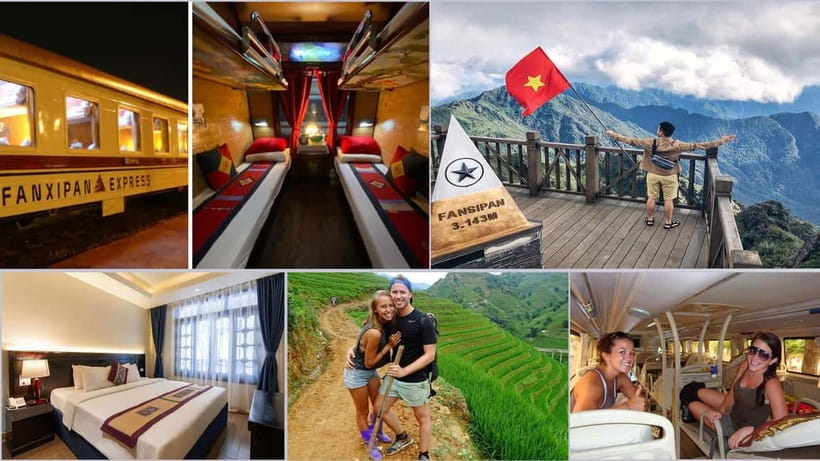
The standard rail plan starts at Hanoi Train Station, with trains listed as SP1, SP2, or SP3 departing around 9:30 p.m. The train reaches Lao Cai at about 5 a.m., where a driver takes you roughly 40 kilometers uphill to Sapa.
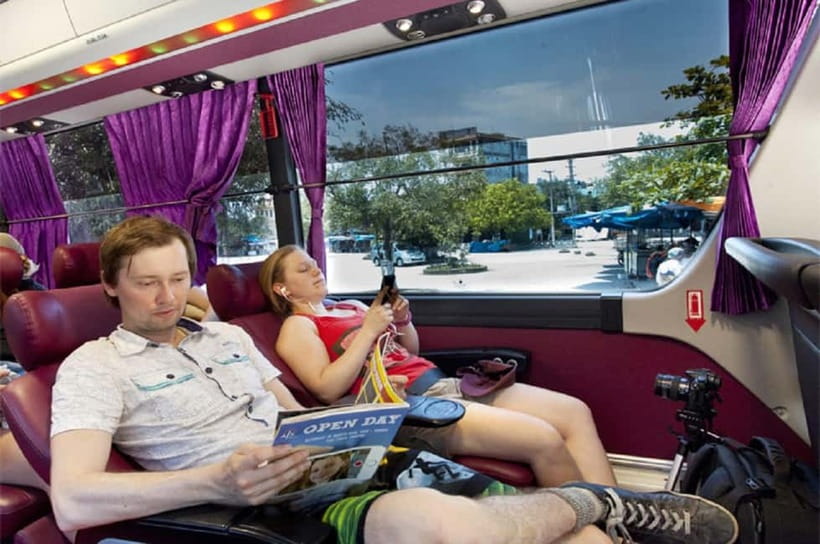
This is practical travel, not luxury travel. A sleeper train lets you cover the long distance while you sleep, though the experience is firmly old-school. The alternative is a sleeper bus, depending on the option you book. Check this detail closely if you care about having a berth, a bus seat, or a particular departure.
The early arrival sounds harsh, but the schedule makes good use of the day. You reach Sapa in the morning, refresh at a hotel, and have breakfast before heading out. The hotel is used for this morning reset, while the overnight stay is in Ta Van.
Bring a small bag for the trek and keep larger luggage organized. The walking portion is much easier when you are not carrying everything you brought from Hanoi.
Cat Cat, where the first trail begins
After breakfast, a local H’Mong guide leads you toward Cat Cat village. This area is known for Black H’Mong culture, the Muong Hoa stream, a waterfall, and rice terraces. You can also see a hydroelectric power plant dating from the French period and a local school.
Cat Cat is close enough to Sapa to be a popular stop, so it can feel more developed than the quieter villages later in the route. That is not necessarily a flaw. It gives you an accessible introduction to the region before the walk heads farther into the valley.
The path also provides an early test of your footwear. Comfortable walking shoes are listed as essential, and I would treat that advice seriously. Sunglasses, sunscreen, and insect repellent are useful too. You will be outdoors for much of the day, with limited reason to dress as if you are going to dinner in town.
After Cat Cat, a car returns you to the hotel for lunch. This break is welcome. It separates the morning visit from the longer afternoon trek and lets you collect anything you need before continuing.
Lao Chai and the Muong Hoa valley
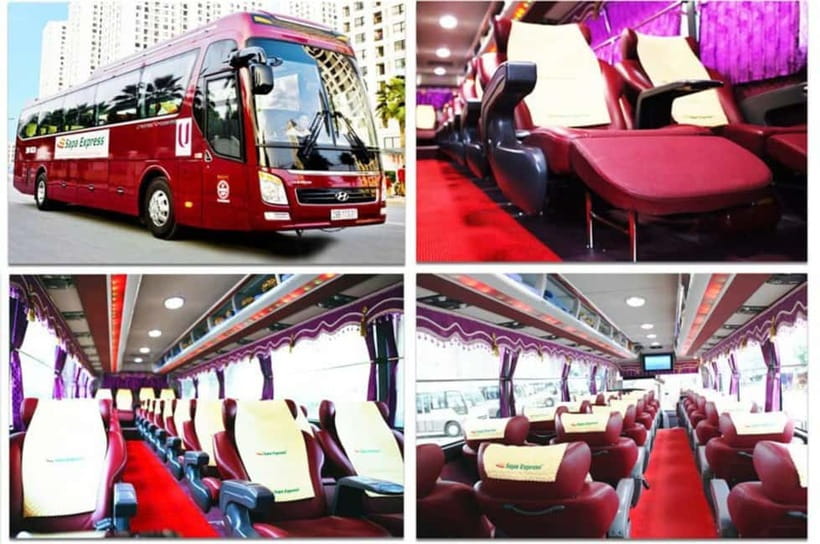
The afternoon route takes you toward Lao Chai, a Black H’Mong village on the edge of the Muong Hoa valley and below Fansipan. This is the section I would most want to protect time for. The walking path passes terraces, mountain views, homes, and cooking smoke rising from village houses.
The terraces are not just a scenic backdrop. They show how farming fits into the slopes, and walking through the valley gives you a clearer sense of the distances between communities. Your guide can also add the human detail that scenery alone cannot provide.
The route is called a long trek, so do not read this as a few short photo stops. You should expect several hours on foot, with stretches that may be uneven or steep. The exact pace can depend on the group and route conditions.
The strongest part of a local guide is the conversation along the way. Tung was praised for being funny and well informed while explaining village life and culture. Soa was praised for sharing her own culture openly and making the experience feel caring and personal. Guides can change according to the route, but those names show the type of guide who can turn a walk into something more meaningful.
More Market Tours in Hanoi:
- Bus to the local market of Puerto de Mogan
★ 4.5 · 25 reviews - Loulé Market and Town Half-Day Bus Round Trip from Albufeira
★ 4.5 · 14 reviews - Quarteira Market & Town Bus Trip from Albufeira
★ 4.0 · 13 reviews - From Algarve Coast: Day Trip by Bus to Loule Market
★ 3.5 · 13 reviews
Sleeping in Ta Van with a Zay family
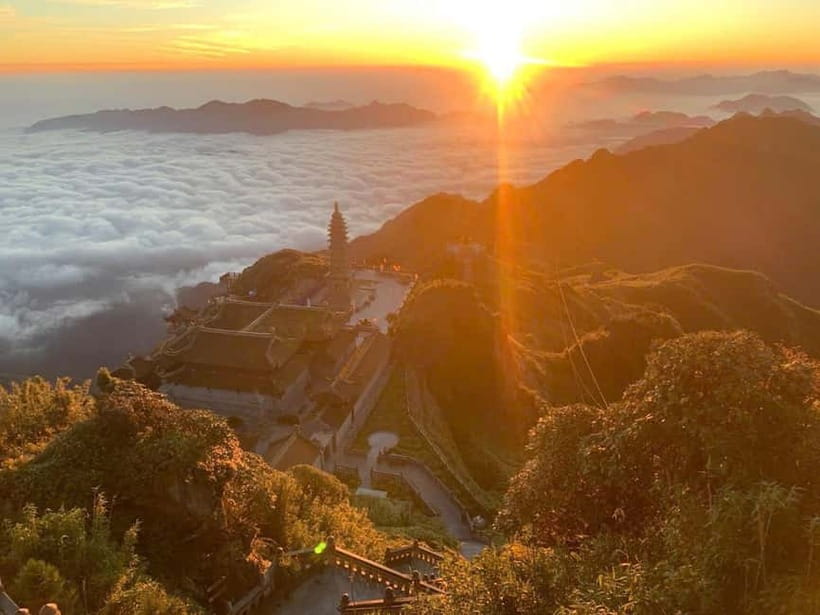
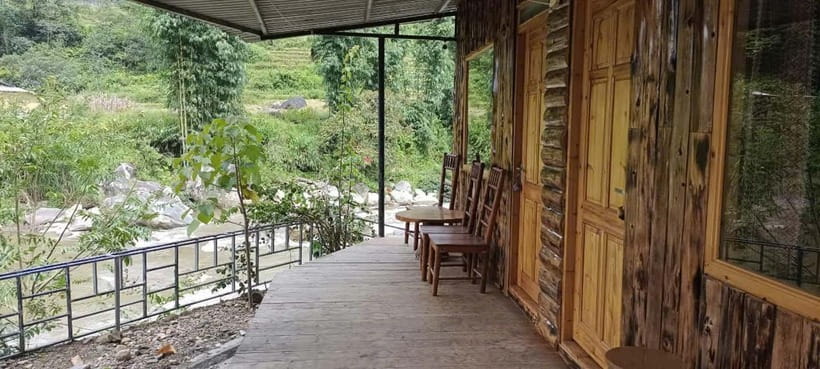
By afternoon, you reach Ta Van, a Zay village where you spend the night. The homestay provides fresh food and clean water, and dinner is included. This is a good chance to experience a simple evening in a village rather than returning to Sapa for another night in town.
Keep your expectations realistic. The homestay has shared sleeping space or a single mattress, and the bathroom is public. Private rooms require a supplement. The facilities are basic, so this is not the right choice if you need hotel-style privacy or polished amenities.
The benefit is direct contact with local life. You have dinner where you are staying, sleep in the village, and begin the next walk from Ta Van itself. The included meals also help the $56 price go further, since you are not paying separately for the main food listed in the plan.
A homestay can feel more personal than a hotel, but it also asks you to be flexible. Bring only what you need for the night, keep valuables secure, and expect simple arrangements. The accommodation was described as clean and attractive, but cleanliness does not mean luxury.
The morning trek toward Giang Ta Chai
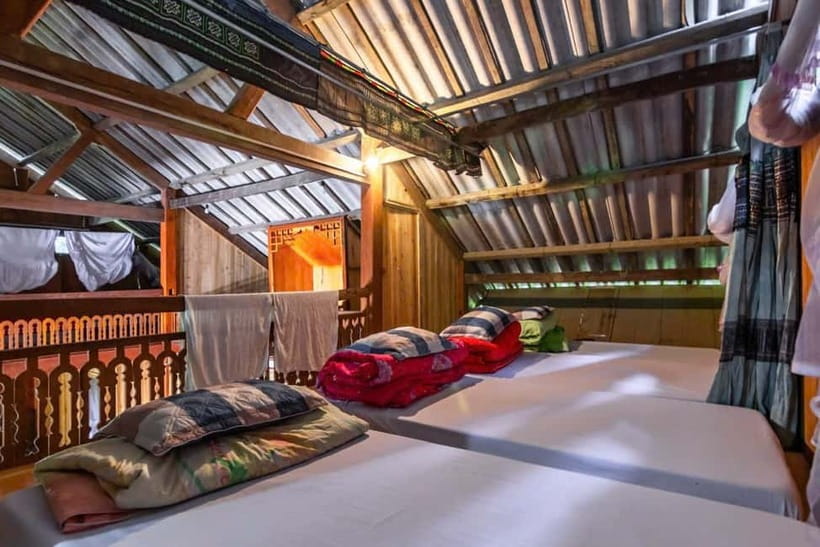
After breakfast, you take a medium-length trek from Ta Van toward Giang Ta Chai. This area is connected with Red Dao, Zay, and Black H’Mong communities and offers views into the Muong Hoa valley and bamboo forest.
Compared with the previous day, this is a shorter second walk, but it still requires proper shoes. The value is that you see a different part of the valley and more than one ethnic community before returning to Sapa.
A car picks you up and takes you back to Sapa for lunch. The timing is useful if you plan to leave Sapa that afternoon, but it also means the day is tightly organized. You will not have unlimited free time to wander around town before departure.
This is one reason to decide your onward route before the trip begins. The standard schedule has you preparing your luggage around 1:30 to 2 p.m. for the bus to Hanoi. The journey includes two or three breaks and ends at 160 Tran Quang Khai Street, where you arrange your own return to your hotel.
Adding Bac Ha Market on a Sunday
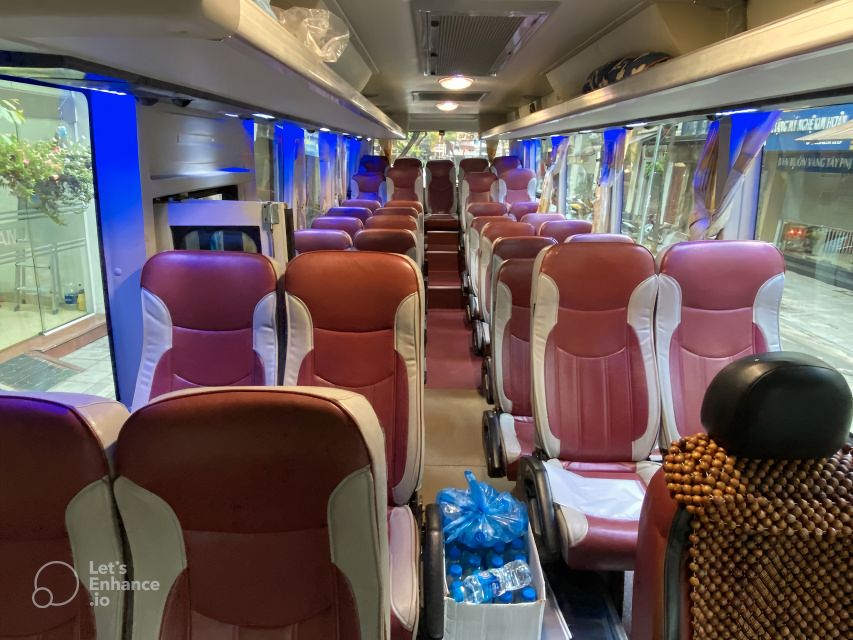
Bac Ha is not part of the short core schedule. It is an optional extension that changes the trip into a longer program, with a private car, private guide, hotel night, and a Sunday morning market visit.
After lunch in Sapa, you drive about two hours to Bac Ha. You check into a hotel and have dinner there. The next morning, you visit Bac Ha Market, which is known for exchanges involving livestock, household goods, souvenirs, hens, and other products.
The market brings together Red H’Mong, Zay, Red Dao, and Tay communities. The appeal is not just shopping. It is seeing a mountain market where buying and selling remain part of everyday social life. The colors, clothing, animals, and goods make this a very different experience from the Sapa village walk.
The extension also includes Hoang A Tuong’s castle, a former residence associated with a H’Mong ruler. Nearby Pho village offers a quieter walk through local daily life. After lunch, a car takes you to Lao Cai to catch the bus to Hanoi, with two or three breaks before the final stop at 160 Tran Quang Khai Street.
I would choose Bac Ha only if the Sunday timing works for you. It adds a market with a distinct character, but it is not a small side trip. You need another night, more driving, and a separate transport arrangement back toward Hanoi.
Going from Sapa to Ha Giang instead
The experience is also described as a way to continue from Sapa to Ha Giang. This is not included in the $56 base price. The Sapa to Ha Giang bus costs 300,000 Vietnamese dong per person extra.
Two departure choices are provided. An 18-seat limousine bus leaves around 2:30 p.m. from May Hotel, while a 40-seat sleeper bus leaves around 7:30 p.m. from its meeting point. Both take about six hours.
This option makes sense if Ha Giang is your next major destination and you do not want to return to Hanoi first. The afternoon limousine bus is more convenient for an earlier arrival, while the sleeper bus lets you spend more time in Sapa after lunch. The exact meeting place and final arrangements should be confirmed with the tour consultant.
The title and schedule combine Sapa, Bac Ha, Ha Giang, and Hanoi, so you should not assume all four are covered in one two-day package. Ask specifically which route, transport type, and number of nights your booking includes.
What the $56 price really covers
At $56 per person, the main package is good value if you want transport, a guide, meals, a homestay, and entrance tickets bundled together. You are paying for a practical mountain route rather than arranging each piece yourself.
The core inclusions cover Hanoi to Sapa and back using the selected combination of night train and sleeper bus, a local English-speaking guide, the meals listed in the schedule, the Ta Van homestay, and entrance fees. The Bac Ha option adds a private car, guide, and hotel based on twin sharing.
You still need to budget for drinks, personal expenses, travel insurance, VAT, and any item not clearly listed. A single supplement and a private Ta Van room cost extra. Holiday dates also carry a 700,000 Vietnamese dong surcharge per person, paid directly to the guide, including April 30, May 1, September 1 through 3, December 24 and 31, and January 1.
Carry Vietnamese dong. The local banking system in Sapa can be unreliable, and the guidance specifically recommends cash in local currency. US dollars, euros, and Australian dollars are accepted, but dong is the safer choice for small purchases.
Who should book this experience
I would recommend this trip to you if you want village walking, local guiding, and a basic homestay more than polished hotel service. It suits people who enjoy seeing how communities live and who are comfortable with early starts, long walks, shared sleeping arrangements, and changing vehicles.
It is also useful for a short Vietnam itinerary. The night train saves a hotel night, while the two walking days give you a strong introduction to the Sapa area. A group of up to 15 keeps the outing more manageable than a large organized tour.
I would hesitate if you dislike shared bathrooms, uneven trails, overnight transport, or tightly timed departures. It is also not suitable for children under six, pregnant women, or people with mobility difficulties.
The two strongest guide experiences came from Tung and Soa, but the guide is not guaranteed to be either person. When you provide your phone number, use WhatsApp, Line, Viber, or KakaoTalk so the local supplier can confirm the arrangements and contact you about the route.
Should you book it?
Book this Sapa trip if your priority is the Cat Cat, Lao Chai, and Ta Van trek, a simple homestay, and a well-packed route from Hanoi. The guide can add the cultural detail that makes the scenery matter, and the meals and transport make the base price attractive.
Choose the Bac Ha extension if you can travel through Sunday and do not mind adding a hotel night and more driving. Choose the Ha Giang bus if you are continuing north, but confirm the 300,000 dong supplement and departure point first.
The main decision is not simply Sapa or no Sapa. It is comfort versus contact. If you want local paths, shared space, and a close look at mountain village life, this is a sensible deal. If you want private rooms, slow mornings, and a clear two-day schedule with no optional branches, ask the operator to confirm every transport and overnight detail before you book.
FAQ
How long does the main Sapa experience last?
The main activity is advertised as a two-day experience, beginning with overnight transport from Hanoi. The Bac Ha extension adds another day and is available only when timed for the Sunday market.
Does the price include the night train from Hanoi?
The package includes transfer between Hanoi and Sapa using a night train and sleeper bus, depending on the option selected. Confirm the exact transport choice when booking.
Where do I sleep in Sapa?
You sleep in a homestay in Ta Van village. The accommodation offers a shared room or a single mattress with a public bathroom. A private room requires an additional supplement.
What villages do I visit on foot?
The route includes Cat Cat, Lao Chai, and Ta Van on the first main trekking day. The second trek goes from Ta Van toward Giang Ta Chai.
Is Bac Ha Market included in the two-day price?
Bac Ha Market is an optional extension, not part of the core two-day schedule. It requires a Sunday visit, a private car and guide, a hotel night in Bac Ha, and a separate return arrangement.
Can I go directly from Sapa to Ha Giang?
Yes. A limousine bus and a sleeper bus are available from Sapa to Ha Giang, with a journey of about six hours. The transport costs 300,000 Vietnamese dong per person extra.
What should I bring?
Bring comfortable trekking shoes, sunglasses, sunscreen, insect repellent, and cash in Vietnamese dong. A small bag is easier to carry during the trek.
Can I cancel for a full refund?
You can cancel up to 24 hours in advance for a full refund. The activity also offers a reserve-now-and-pay-later option.
More Evening Tours in Hanoi
- 2-Night Sapa Tour with Fansipan Peak by Bus from Hanoi
★ 4.5 · 23 reviews - 2 Days 1 night Sapa Tour from Hanoi by Limousine/Sleeper bus
★ 4.5 · 6 reviews - Sapa Trek Tour with Sleeper Bus/Night Train – Overnight at Hotel
★ 5.0 · 2 reviews - Dubai: City Sightseeing HOHO Bus Tour + Sunset & Night Tour
★ 4.3 · 6,442 reviews
More Shopping Tours in Hanoi
- Cancun City Sightseeing and Shopping Tour on a Double Decker bus
★ 4.0 · 540 reviews - Washington DC: National Mall Night Bus Tour
★ 4.6 · 313 reviews - Cancun: Guided City Tour with Shopping by Double Decker Bus
★ 4.0 · 94 reviews - Nairobi: Hop on Hop off and Maasai market Collections Visit
★ 3.5 · 10 reviews
Just added around Hanoi
- 2 Days 1 night Sapa Tour from Hanoi by Limousine/Sleeper bus★ 4.5 · 6 reviews
- Halong Bay Luxury Cruise Day trip: Buffet lunch, limousine bus★ 5.0 · 2 reviews
- Hoa Lu – Tam Coc Luxury Small group 1D: Limousine bus, biking, boat trip, Lunch★ 5.0 · 6 reviews
- Limousine Bus Transportation from Hanoi to Sapa★ 5.0 · 2 reviews
- Halong Bay Luxury cruise Day trip: Buffet Lunch, Limousine bus★ 5.0 · 25 reviews
- Halong bay Luxury Cruise Day trip: Buffet lunch & Limousine bus★ 5.0 · 3 reviews
- Halong Bay 2 Day Luxury Cruise 6 Star★ 5.0 · 53 reviews
- From Hanoi- Halong Bay 1 Day Save Cost With Limousine Bus Option★ 5.0 · 8 reviews
Hanoi Bus Tours, compared.

Ninh Binh Day Trip: Bai Dinh-Trang An-Mua Cave, Buffet, Boat, Bus
Read our review →

2-Day Sa Pa Ethnic Homestay Tour & Trek with Limousine Bus
Read our review →
Halong bay 5star Cruise Day Trip: Buffet lunch & Limousine bus
Read our review →
Halong Bay Day Tour 6Hour Deluxe Cruise Limousine Bus Small Group
Read our review →


Browse the lists this tour appears in